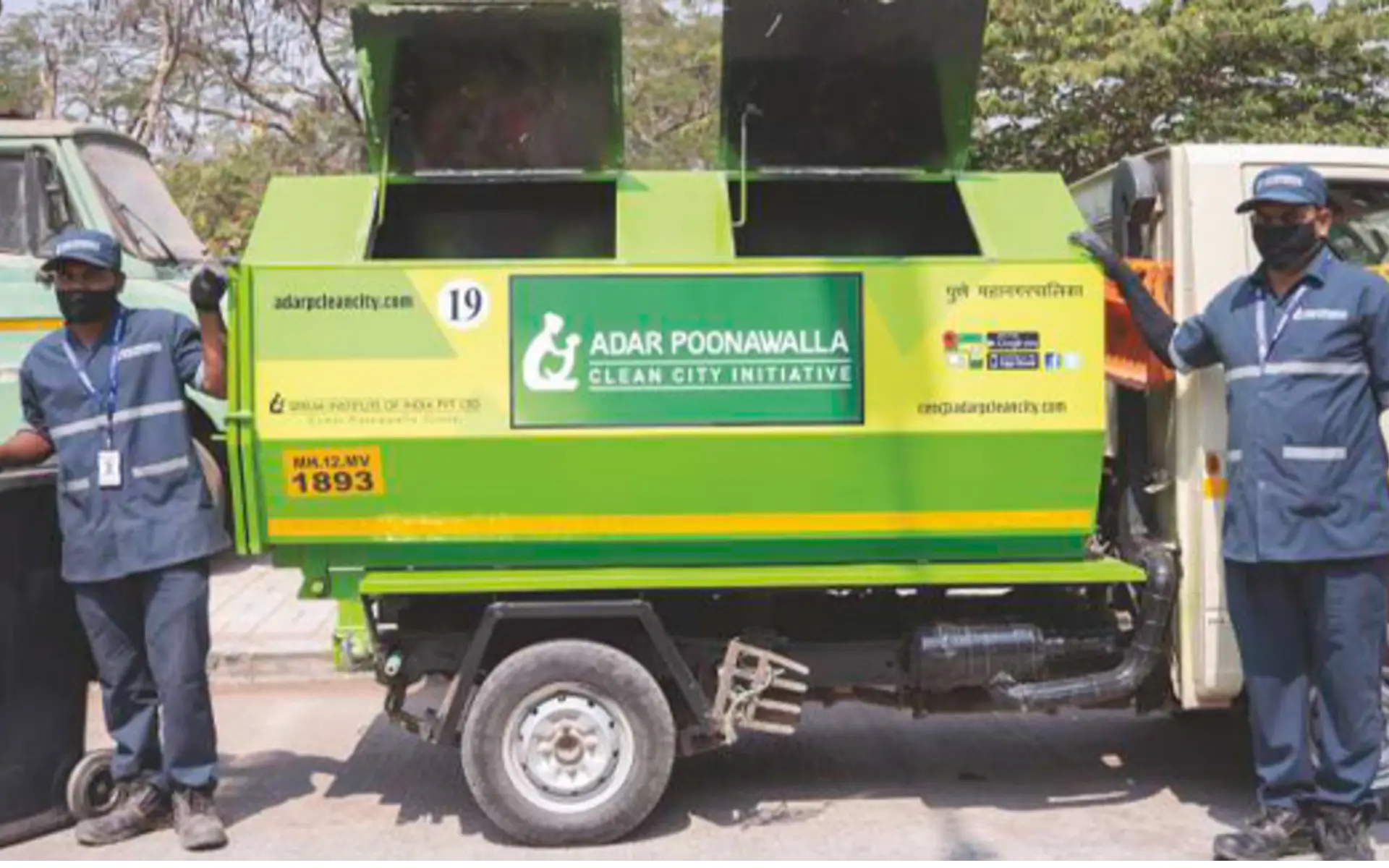
Pune has launched a six-month competitive framework aimed at improving neighbourhood-level sanitation standards, signalling a renewed push to strengthen daily waste management systems across the city. The Pune cleanliness drive, rolled out by the municipal corporation’s solid waste department, will assess wards, institutions and commercial establishments on measurable hygiene and segregation benchmarks through September.
The initiative widens participation beyond civic departments, bringing housing societies, schools, healthcare facilities, markets and hospitality establishments into a structured evaluation process. Officials said performance will be tracked against multiple indicators, including segregation of wet and dry waste at source, on-site composting, public space upkeep and maintenance of community sanitation facilities. Urban waste experts say such decentralised competitions can drive behavioural change when paired with consistent monitoring. Pune generates thousands of tonnes of municipal solid waste daily, and while segregation rates have improved over the past decade, uneven compliance persists across wards. By incentivising micro-level accountability, the administration hopes to reduce landfill dependency and cut transportation burdens.
The Pune cleanliness drive is also being positioned as a tool to strengthen climate resilience. Organic waste diverted from dumpsites lowers methane emissions, a potent greenhouse gas. Composting at source reduces hauling distances and fuel consumption, aligning with broader low-carbon city goals. Environmental planners note that waste reform is often overlooked in urban climate strategies despite its direct impact on emissions and groundwater health. Civic officials involved in the programme indicated that citizen participation will be central to outcomes. Resident welfare associations and commercial operators are expected to document daily practices and submit compliance records. Authorities have also reiterated enforcement against prohibited single-use plastics, linking compliance to overall scoring.
From a real estate perspective, visible sanitation standards increasingly influence property values and tenant preferences. Developers and facility managers say structured waste systems and clean public realms are becoming baseline expectations in mid- and high-income housing projects. In mixed-income areas, consistent municipal support remains critical to ensure equitable access to sanitation services. Urban governance specialists caution that award-based models must be backed by sustained infrastructure investment. Without adequate collection fleets, material recovery facilities and compost processing units, improved segregation may not translate into systemic gains.
The competition coincides with a period of rapid urban expansion in Pune, where rising consumption patterns are placing pressure on civic systems. If effectively implemented, the Pune cleanliness drive could serve as a behavioural bridge between policy intent and ground-level execution. As the evaluation period unfolds, the measure of success will extend beyond trophies. The longer-term test lies in whether waste reduction, segregation discipline and public hygiene standards become embedded practices across neighbourhoods, contributing to a more liveable and environmentally responsible Pune.
Pune Cleanliness Drive Focuses On Daily Waste