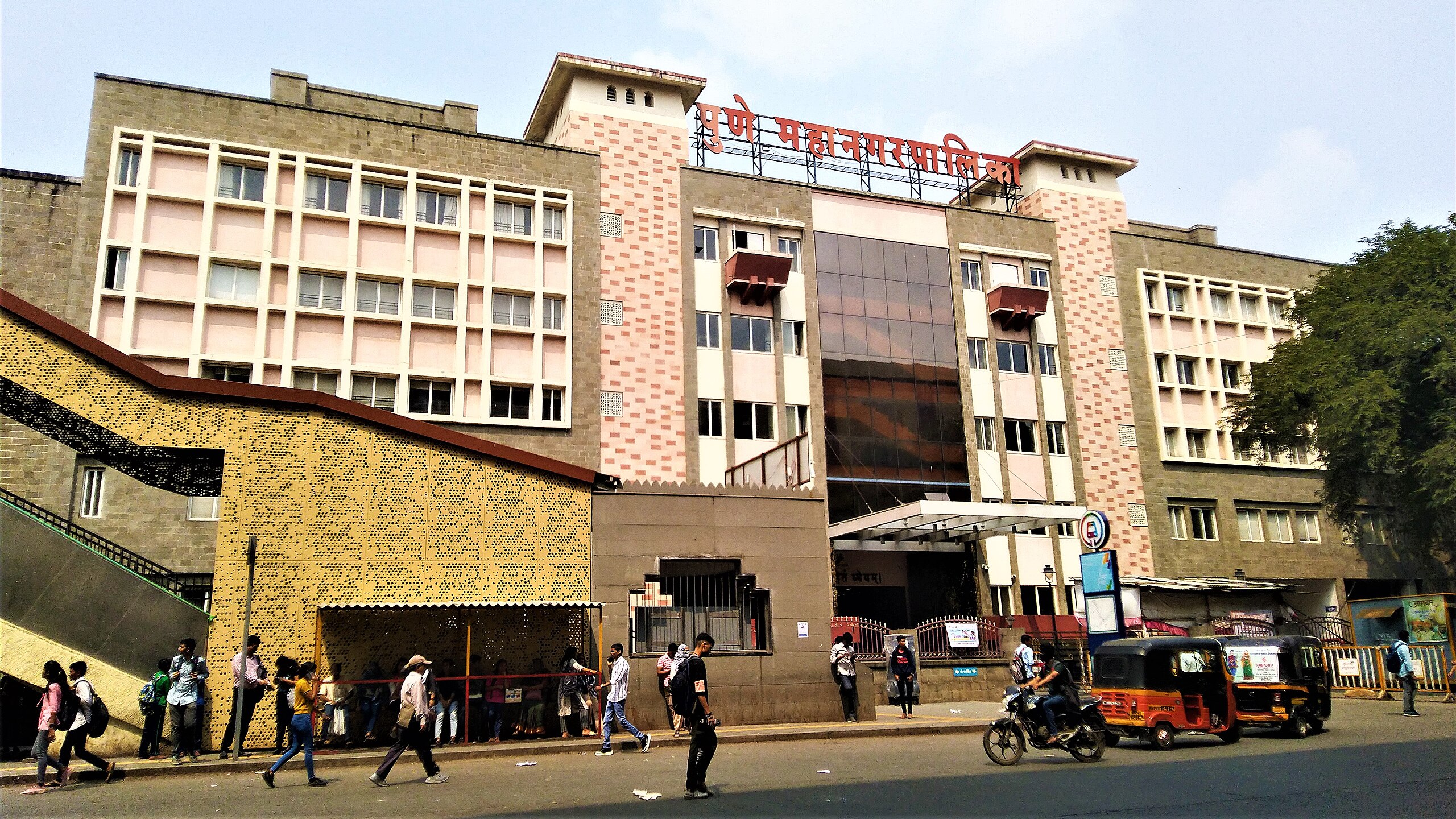
Pune civic body to stay intact as state rejects split demand and promises more funds for merged villages
Amid mounting demands for better governance in Pune’s rapidly expanding eastern periphery, the Maharashtra state government has made it clear that there is no plan to divide the Pune Municipal Corporation (PMC). Instead, the government has assured increased funding and focused development for the merged villages that have long complained of neglect under the existing civic structure.
The issue was raised in the Maharashtra Legislative Council on Thursday by BJP leader and MLC Yogesh Tilekar, who pressed for the creation of a new municipal corporation exclusively for the eastern region. Tilekar argued that the PMC’s current framework fails to serve the needs of the newly merged villages, many of which lack basic civic amenities despite being tax contributors. “PMC is the largest municipal corporation in India and Asia in terms of geographical spread,” Tilekar said. “While the civic body is collecting taxes from these villages, it has failed to deliver on infrastructure, water, sanitation, and roads. Residents feel abandoned, and no political party has been able to bridge this governance gap. There’s a deep sense of inequality in how resources are distributed.”
In response, Maharashtra’s Industries Minister Uday Samant firmly denied any move to split the municipal corporation. Speaking on behalf of the state government, Samant emphasized that the PMC would remain unified and that ongoing efforts were being made to address the developmental concerns of the merged areas. He acknowledged the gaps but stressed that the government is committed to plugging them through targeted funding and coordination with regional planning bodies. “There is no proposal to divide the existing PMC,” Samant stated in the Assembly. “The civic body is actively working to resolve the problems of the merged villages. If more funds are needed, they will be provided. The state government stands committed to equitable development.”
Samant also shared data on ongoing civic investments in the merged areas. Of the 34 villages that were brought under PMC jurisdiction during the expansion drive, 32 remain under its fold after the exclusion of Uruli Kanchan and Phursungi. For these 32 villages, PMC has allocated ₹250 crore for improving water supply infrastructure, ₹146 crore for upgrading drainage systems, and ₹107 crore for roads. These figures, according to Samant, represent a serious financial commitment by the civic body toward uplifting the merged regions. The issue of bifurcating the PMC has been simmering for some time, especially after the large-scale merger of peripheral villages in 2017, which significantly increased the size and complexity of civic administration. Residents of the merged areas often complain that while they are now within the PMC’s tax net, their access to urban amenities has not improved proportionately. The mismatch between tax collection and service delivery has led to growing calls for either greater decentralization or a complete administrative split.
However, the government appears more inclined toward structural reinforcement than bifurcation. Samant pointed to the Pune Metropolitan Region Development Authority (PMRDA), which is currently in the process of drafting the Development Plan (DP) for the newly merged areas. The state government, he said, would consider PMRDA’s recommendations seriously before taking any long-term decisions about governance and planning in these regions. The minister’s remarks reflect the state’s preference for integrated urban governance over fragmentation, even as population pressures, unplanned growth, and increasing citizen dissatisfaction test the limits of PMC’s administrative capacity. Observers say the government’s emphasis on funding and planning — rather than splitting — aims to stabilize civic management without disrupting institutional continuity.
While the assurance of additional funds may ease tensions temporarily, the broader challenge remains: how to ensure balanced development in a city that has grown faster than its governance systems can keep up. With over three dozen villages brought under PMC’s ambit in recent years, the civic body faces an uphill task — not just in infrastructure rollout but in building trust among residents who feel left out of Pune’s urban progress. Whether the latest announcement helps in addressing the growing chorus of dissatisfaction in the eastern belt remains to be seen. For now, the PMC will remain whole, and the government has placed its faith in planning reforms and increased financial backing to address what critics say is an increasingly fractured urban experience.