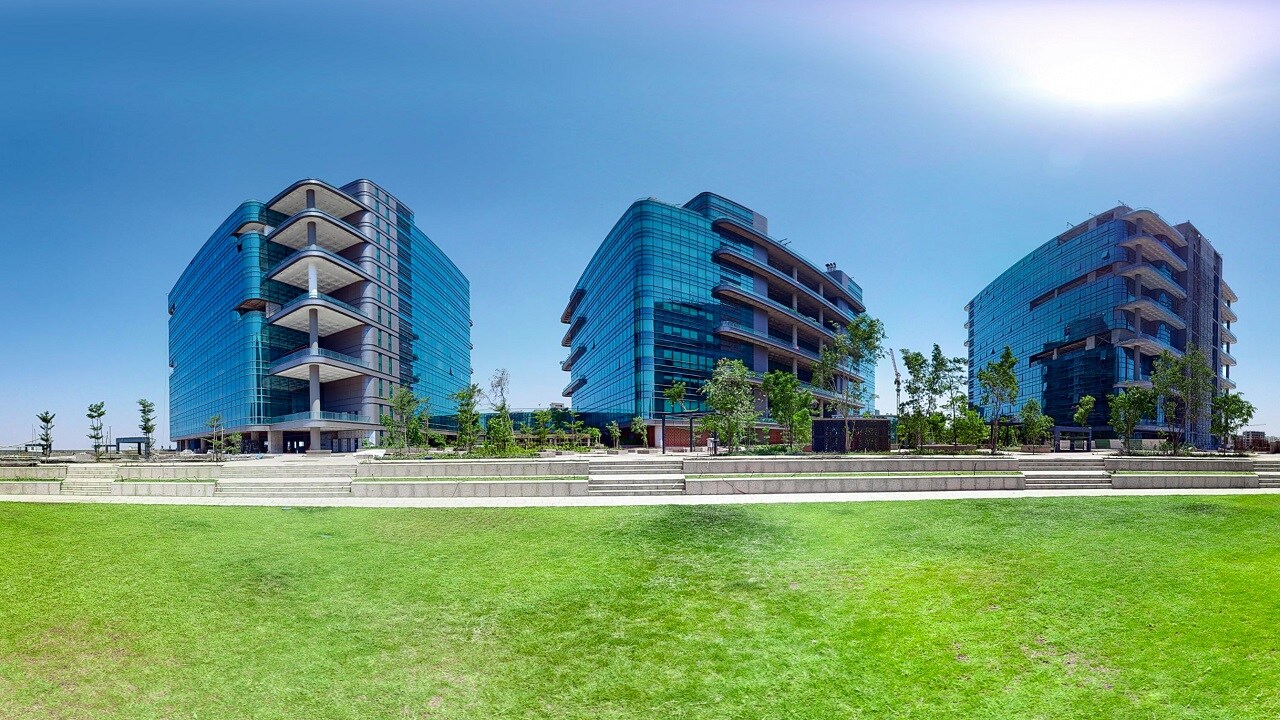
A significant addition to Pune’s commercial skyline is underway as a large-scale Grade A office campus is planned in the city’s central business district, signalling sustained demand for institutional-grade workspaces and the continued decentralisation of India’s office markets beyond Mumbai and Bengaluru.
The proposed development in Pune, located in the established suburb of Kothrud, is expected to deliver nearly 1.7 million sq ft of Grade A office space. Urban planners say this reflects a broader shift where well-connected secondary business districts are evolving into self-sufficient economic nodes, easing pressure on legacy city cores. Industry experts indicate that the scale and configuration of the project featuring large, flexible floor plates aligns with evolving occupier preferences. Global Capability Centres (GCCs), financial services firms, and technology companies are increasingly seeking contiguous office spaces that allow operational consolidation while offering adaptability for hybrid work models. This demand has made Grade A office development a critical component of urban economic strategy.
Connectivity remains a central factor in the project’s viability. With multiple access routes and planned infrastructure improvements in western Pune, the site benefits from improved intra-city mobility an essential requirement for large employment hubs. According to transport analysts, such developments can reduce commute inefficiencies when paired with transit-oriented planning, though execution remains key. Beyond office space, the inclusion of retail, food services, and employee amenities signals a growing trend toward integrated workplace ecosystems. These mixed-use elements are designed to reduce daily travel needs, encourage longer on-site engagement, and improve workforce productivity factors increasingly tied to tenant decision-making.
Sustainability considerations are also shaping the project’s framework. Pre-certifications under green building standards and a focus on energy-efficient systems suggest alignment with India’s broader climate commitments. Experts note that passive design strategies, reduced heat gain, and enhanced daylight use are becoming baseline expectations in new Grade A office development, especially as occupiers track environmental performance metrics. From an economic standpoint, the project is expected to generate employment across both construction and operational phases, reinforcing Pune’s role as a key services and manufacturing hub. However, urban economists caution that such growth must be balanced with investments in public transport, affordable housing, and civic infrastructure to ensure inclusive development.
As Pune continues to expand its commercial footprint, projects of this scale will test the city’s ability to integrate growth with sustainability. The success of this Grade A office development will likely depend not only on leasing performance but also on how effectively it contributes to a more resilient and accessible urban environment.