


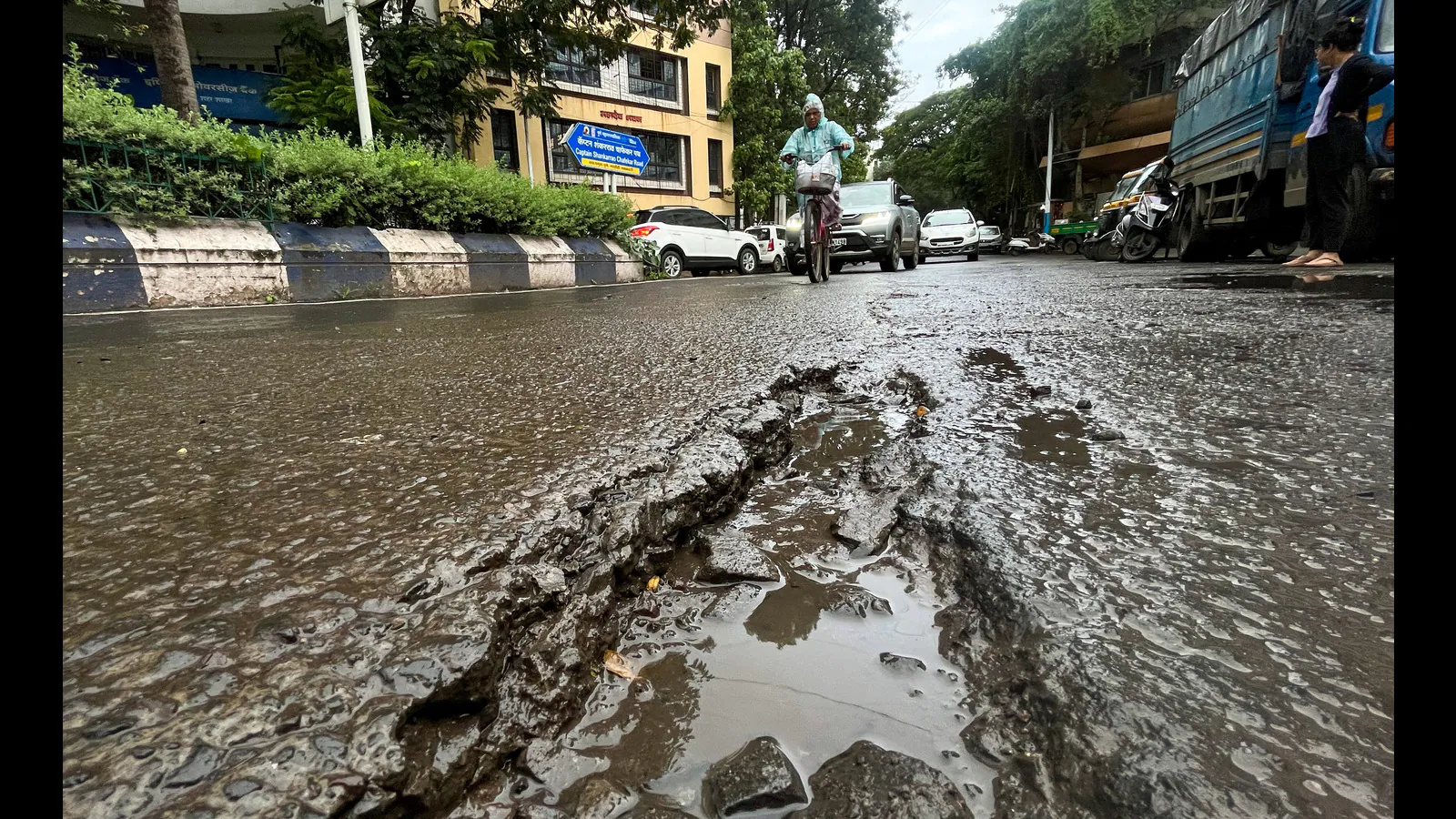
Pune Cantonment Board (PCB) has taken measures to stabilise road conditions following years of neglect linked to chronic underfunding. A recent report revealed the board has been grappling with an estimated ₹800 crore shortfall since the discontinuation of local‑body taxes in 2017, which analysts cite as a critical factor behind deteriorating road infrastructure.
Speaking on condition of anonymity, an official from PCB’s engineering section confirmed the formation of a dedicated ten‑member squad tasked with repairing potholes and resurfacing roads within both civilian and military zones. The squad is outfitted with machinery suitable for tarring and pressing provisional patches on high‑traffic stretches across the 48 km of cantonment roads under PCB’s jurisdiction. Local activists, however, point to severe lapses during the monsoon seasons. One resident observer noted that while cantonment roads were once considered more navigable than those under the Pune Municipal Corporation, they now pose acute hazards, with repeated seasonal potholes and rain‑related damage .
A senior retired officer from the Military Engineering Services (MES) highlighted the need for structural road reconstruction, insisting that superficial filling is inadequate. “They must dig up roads and backfill with proper materials,” he urged, recommending a scientific approach to sustainable repairs. Despite ongoing efforts, concerns remain about the quality and longevity of repairs. An anonymous army officer highlighted how frequent, poorly executed patches not only allow the original potholes to re-emerge, but also pose newer safety risks. The board has been urged to enforce stricter quality monitoring and responsive maintenance schedules .
At the same time, broader infrastructure issues such as waterlogging due to clogged stormwater drains compound road damage. In parts of Ghorpadi and East Street, residents report persistent flood risks during rainfall—evidence they say of prolonged civic neglect between PCB and PMC Wider Pune civic governance also appears strained. Across the city, the Pune Municipal Corporation (PMC) recently announced it repaired over 2,700 potholes, yet commuter complaints about chronic road damage persist. Reports from local advocacy groups describe substandard fixes that fail to survive the early monsoon downpours, calling for independent audits.
In addition, PMC has rolled out a helpline and digital complaint systems for potholes, tied to ambitious repair targets—848 potholes addressed over three days and 2,336 fixes since March. It has also expanded repair crews from 20 to 45 to meet increased demand. Against this backdrop, PCB’s recent interventions may alleviate short‑term commuter grievances. However, analysts stress that without sustainable funding, structured quality control, and coordinated planning across civic agencies, pothole repairs may be merely symptomatic fixes. Road maintenance experts advise deploying third‑party audits, weather‑resistant materials, and pre‑monsoon planning to ensure resilience. This includes proactive scheduling of maintenance squads, monitoring via civic apps, and participatory mechanisms for residents—analogous to PMC’s digital systems .
From an eco-friendly urban resilience perspective, effective road upkeep during monsoons contributes to reduced vehicle emissions, improved accessibility, and equitable mobility—especially vital for pedestrians, cyclists, and gender‑diverse communities navigating these areas daily. As PCB ramps up its maintenance efforts, the public will closely monitor whether the recent surge in repairs signals sustained improvement—sonly time will tell if civic strategy evolves from crisis reaction to climate‑resilient infrastructure management.
Also Read : Kolkata Port Switches to Electric Cranes Paving Way for Greener Cargo
