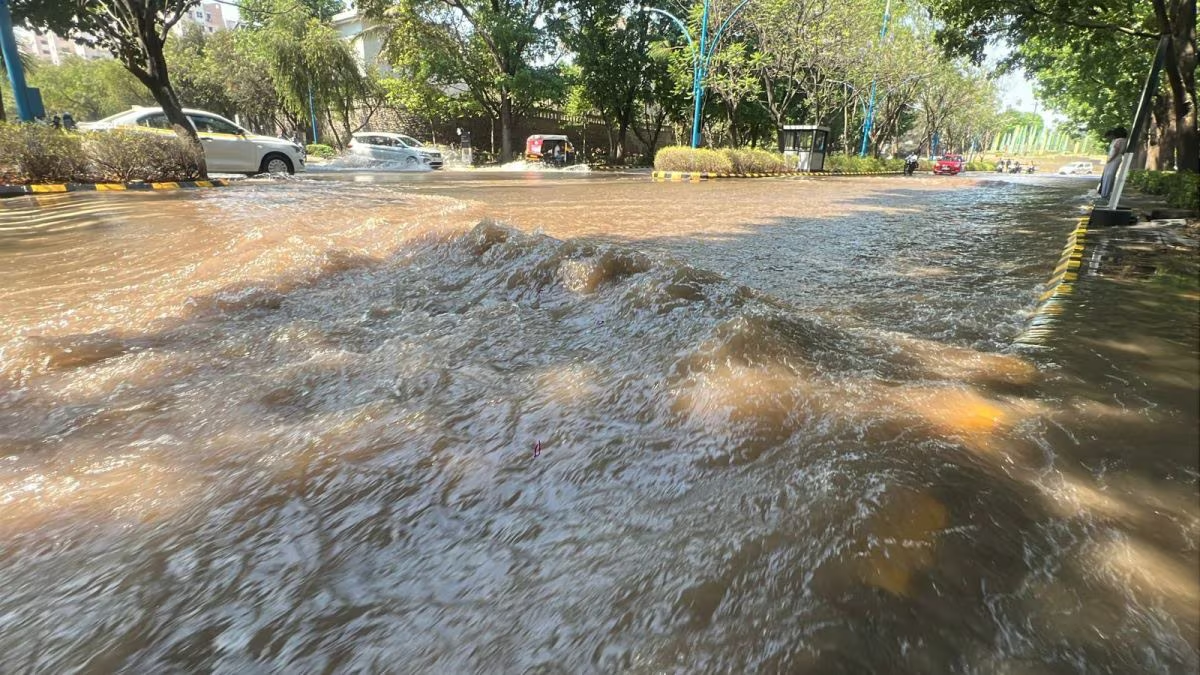
A Pune canal breach triggered sudden flooding in the city’s Hadapsar–Magarpatta belt early Monday, submerging roads and disrupting peak-hour traffic, in an incident that has raised fresh concerns over urban infrastructure resilience beyond the monsoon season.
The Pune canal breach occurred along a section of the Khadakwasla canal network, where damage to a retaining wall led to water spilling into adjoining residential and commercial areas. Low-lying roads and building basements in the vicinity were inundated within hours, forcing authorities to restrict vehicular movement along key stretches during the morning commute.
Civic officials said emergency teams were deployed overnight after alerts from residents reporting rising water levels. While immediate efforts focused on diverting water flow and clearing affected roads, the incident has prompted a closer review of canal maintenance practices and structural integrity.
Urban planners point out that the Pune canal breach highlights a lesser-discussed dimension of city flooding — infrastructure failures unrelated to rainfall. “Indian cities typically prepare for monsoon flooding, but incidents like these show vulnerabilities in ageing water systems and embankments,” said a hydrology expert involved in urban water management studies.
The affected zone, located near one of Pune’s largest integrated townships, is part of a rapidly urbanising corridor where residential density has increased significantly over the past decade. As development intensifies, the interface between natural and engineered water systems becomes more complex, increasing the risk of such disruptions.
The Pune canal breach also raises questions about land use planning around critical water infrastructure. Encroachments, unregulated construction, and insufficient buffer zones along canals can amplify the impact of structural failures, allowing water to spread quickly into built-up areas. From a climate resilience perspective, experts say such incidents underscore the need for year-round infrastructure audits rather than seasonal preparedness. Strengthening canal walls, introducing early warning systems, and maintaining drainage channels are essential measures to reduce risks in expanding urban regions.
Residents in the affected area reported damage to property and temporary loss of access to essential services, pointing to the broader economic impact of even short-duration flooding. For daily commuters, road closures and diversions added to travel time, reflecting how infrastructure disruptions can ripple across city mobility networks. Authorities are expected to conduct a technical assessment to determine the cause of the Pune canal breach and identify preventive measures. In the longer term, urban development specialists argue for integrating water infrastructure into city planning frameworks more systematically, ensuring that growth does not outpace the capacity and condition of underlying systems. As Pune continues to expand into peripheral zones, incidents like this serve as a reminder that infrastructure resilience must extend beyond visible roads and buildings to include the hidden networks that sustain urban life.
Pune Canal Breach Triggers Magarpatta Flooding Crisis