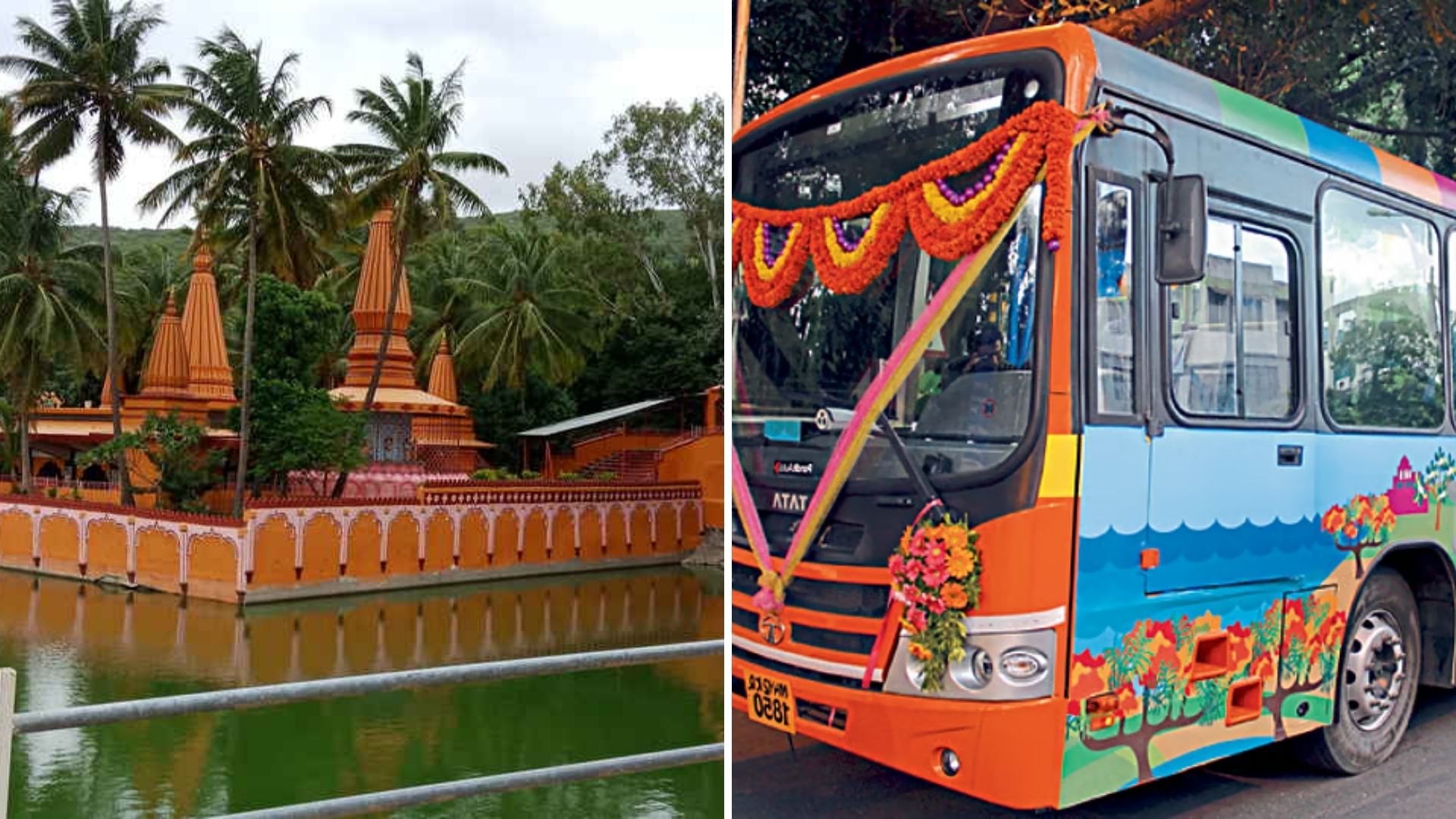
Pune’s public transport system is preparing for a seasonal spike in intercity travel, with the state-run bus network planning a significant capacity expansion to accommodate outbound passenger movement during the summer months. The Pune division of MSRTC is set to deploy hundreds of additional services between mid-April and mid-June, responding to predictable migration patterns as residents return to hometowns across Maharashtra.
The Pune MSRTC summer travel plan is being positioned as a critical intervention at a time when demand for long-distance mobility typically outpaces available rail and private bus capacity. With advance bookings on trains and private operators often reaching saturation weeks ahead of peak travel periods, state-run buses become an essential fallback, particularly for price-sensitive passengers and last-minute travellers.
Transport officials indicate that the expanded services will connect Pune to a wide network of destinations, including key regional centres in western Maharashtra, Marathwada, and the Konkan belt. Major urban nodes such as Mumbai, Nashik and Solapur, along with pilgrimage and semi-urban destinations, are expected to see increased frequency. Operations will be distributed across central depots and peripheral terminals, reflecting the city’s outward urban growth and the need to decentralise passenger load.
Urban mobility experts note that the Pune MSRTC summer travel plan highlights the continued relevance of state-run bus systems in managing cyclical demand surges. Unlike fixed-capacity rail networks, bus fleets offer greater operational flexibility, allowing authorities to scale services up or down in response to seasonal shifts. This adaptability is particularly important in cities like Pune, where a large migrant workforce contributes to periodic travel spikes. From a sustainability perspective, encouraging shared intercity transport can help reduce the number of private vehicles on highways during peak periods, easing congestion and lowering emissions. With road corridors between Pune and neighbouring regions already under pressure, especially during holiday seasons, higher bus utilisation could contribute to more efficient use of existing infrastructure.
However, planners caution that service augmentation must be matched by operational readiness. Factors such as fleet maintenance, driver availability, and real-time scheduling will determine whether the additional capacity translates into reliable service. Passenger experience—ranging from ticketing access to onboard comfort—remains a key determinant of whether commuters choose public buses over private alternatives.
The timing of this year’s travel surge may also shift slightly due to changes in academic calendars, potentially spreading demand over a longer period. This could ease peak pressure but requires dynamic planning to align supply with evolving travel patterns. As Pune continues to expand as an employment and education hub, seasonal mobility flows will remain a defining feature of its transport ecosystem. The effectiveness of the Pune MSRTC summer travel plan will offer insights into how public systems can respond to fluctuating demand while supporting more inclusive and sustainable intercity travel.
Pune Bus Network Expands For Summer Travel Demand