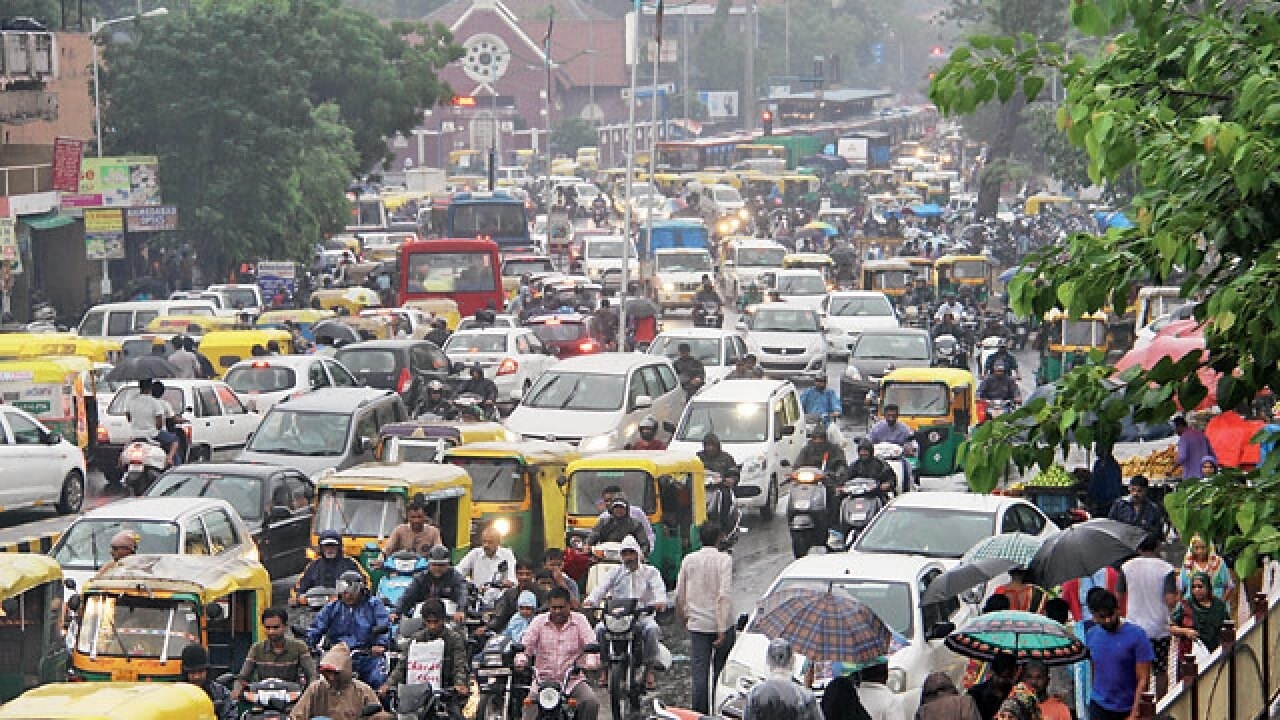
A series of road closures implemented for a city-level cycling event in Pune on Monday triggered widespread disruption across the public transport network, affecting thousands of daily commuters and exposing persistent gaps in event-led traffic planning. Nearly 1,800 bus trips operated by around 150 city buses were delayed or rerouted, according to transport officials, underscoring how short-term civic interventions can disproportionately impact essential urban mobility. Key arterial roads linking western and central Pune were closed for several hours, forcing public buses to take longer, unfamiliar routes.
While services were not formally cancelled, altered alignments led to significant delays, overcrowding, and unplanned walkable distances for passengers heading to workplaces, education hubs, and commercial districts. Inter-city services, particularly buses operating between Pune and Mumbai, also faced knock-on delays as feeder routes were blocked during peak morning hours. Urban transport experts note that such disruptions highlight the fragile balance between promoting sustainable mobility initiatives and safeguarding the reliability of mass transit. Cycling events, while aligned with low-carbon transport goals, require integrated planning that prioritises continuity for high-capacity public systems used by working populations. In this instance, the lack of real-time passenger information and limited on-ground coordination amplified commuter distress.
Several passengers reported journeys stretching to nearly double their usual travel time, with buses terminating early due to congestion bottlenecks. Many were compelled to complete the final leg of their commute on foot. Others shifted to alternative modes such as metro rail, increasing pressure on first- and last-mile connectivity. This surge in demand also revealed regulatory challenges, with reports of informal transport operators charging above prescribed fares. Officials from the city bus undertaking acknowledged operational challenges, citing the temporary closure of a major bus terminal and diversions across multiple corridors. They indicated that services were gradually stabilised by early evening. State transport authorities, meanwhile, maintained that advance notices were displayed at terminals, though the effectiveness of such communication for roadside commuters remains questionable.
From an urban governance perspective, the episode raises broader questions about coordination between event organisers, traffic police, and transport agencies. Pune’s long-term mobility strategy emphasises public transport, non-motorised travel, and equitable access. However, without integrated planning frameworks, even sustainability-focused events risk undermining public confidence in shared mobility. As Indian cities increasingly host large-scale public events to promote healthier and greener lifestyles, planners stress the need for data-led diversion planning, digital passenger alerts, and stakeholder consultations. Strengthening these systems will be critical to ensuring that future initiatives enhance, rather than disrupt, the everyday functioning of urban life and the resilience of Pune’s public transport ecosystem amid recurring Pune public transport disruption.