


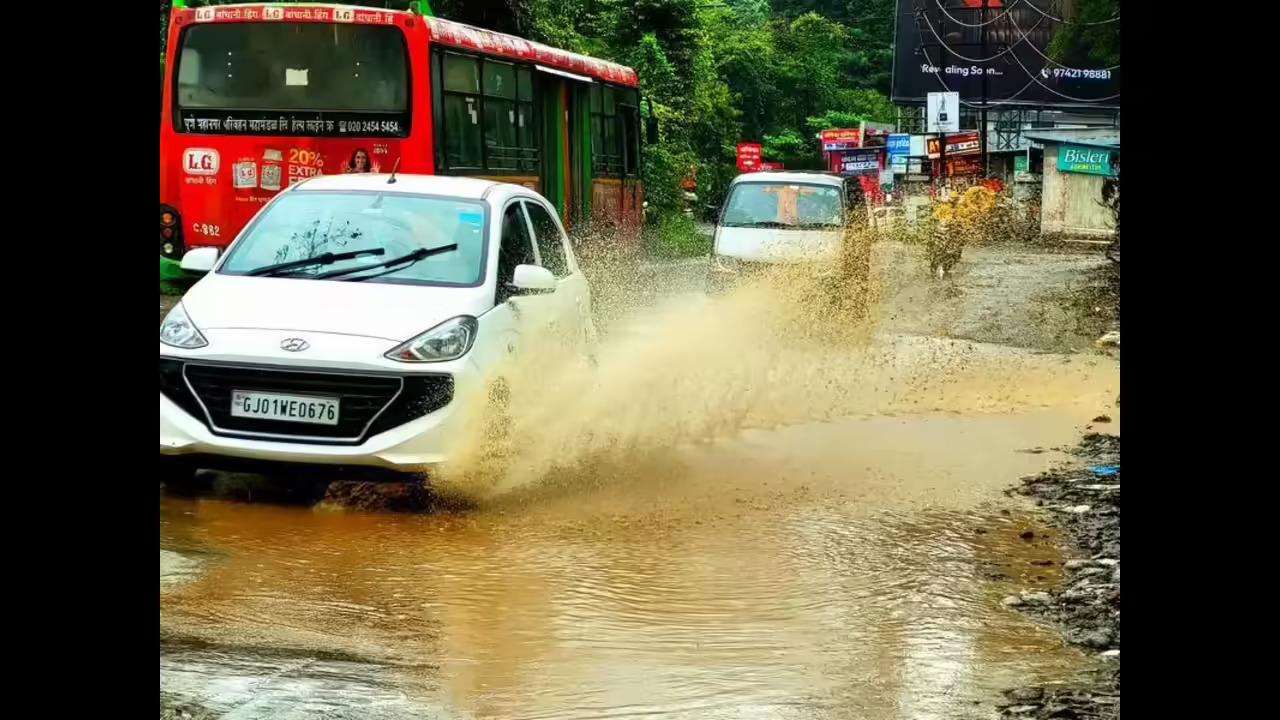
Pune’s transport network is grappling with severe disruptions as continuous rainfall batters the Marathwada region, causing significant delays and cancellations in bus and train services. Officials from the Maharashtra State Road Transport Corporation (MSRTC) confirmed that heavy downpours have affected key routes, particularly from Barshi, Jamkhed, and Dharashiv, resulting in a sharp decline in passenger traffic and prolonged travel times.
According to MSRTC authorities, numerous bridges along these routes have been inundated, forcing buses to take lengthy diversions. As a result, services towards Pune are running late, while some have been temporarily suspended. An official highlighted that certain routes from Shivajinagar to Beed have experienced near 50% reduction in passengers due to road closures and waterlogging between Kurduwadi and Barshi. “We are continuously monitoring the situation and advising drivers to exercise caution. Normal operations will resume once water levels recede,” the official added. Rail services have also been impacted. The Pune division of Indian Railways reported that six trains, including the Sai Nagar Shirdi-Secunderabad Express and Amravati-Pune Express, were diverted due to water accumulation near Gangakhed in the Nanded rail division. Other trains originating from Pune remained unaffected, though authorities emphasized that operations are contingent on the evolving rainfall patterns. The division’s officials remain in constant coordination to ensure commuter safety and timely updates on rail operations.
Pune airport operations, by contrast, have been largely unaffected, with all flights arriving and departing on schedule. However, severe localised rainfall over the weekend disrupted ground transportation, leaving passengers struggling to secure cabs and other last-mile connectivity. Several travellers resorted to auto-rickshaws to reach their destinations, reflecting the broader strain on public mobility during extreme weather events. Urban transport experts note that the current situation underscores the importance of resilient infrastructure and effective real-time monitoring systems in climate-vulnerable regions. Transit authorities are increasingly exploring eco-friendly flood mitigation measures, smart routing systems, and integrated communication channels to maintain sustainable and reliable urban transport.
As Marathwada continues to experience heavy showers, commuters are advised to plan travel judiciously, prioritise safety, and stay updated through official transport advisories. The situation is expected to stabilise once rainfall intensity diminishes and water levels affecting bridges and tracks return to safe thresholds.
Also Read: Thane To Connect Bullet Train With Metro Buses Taxis Boats And More
