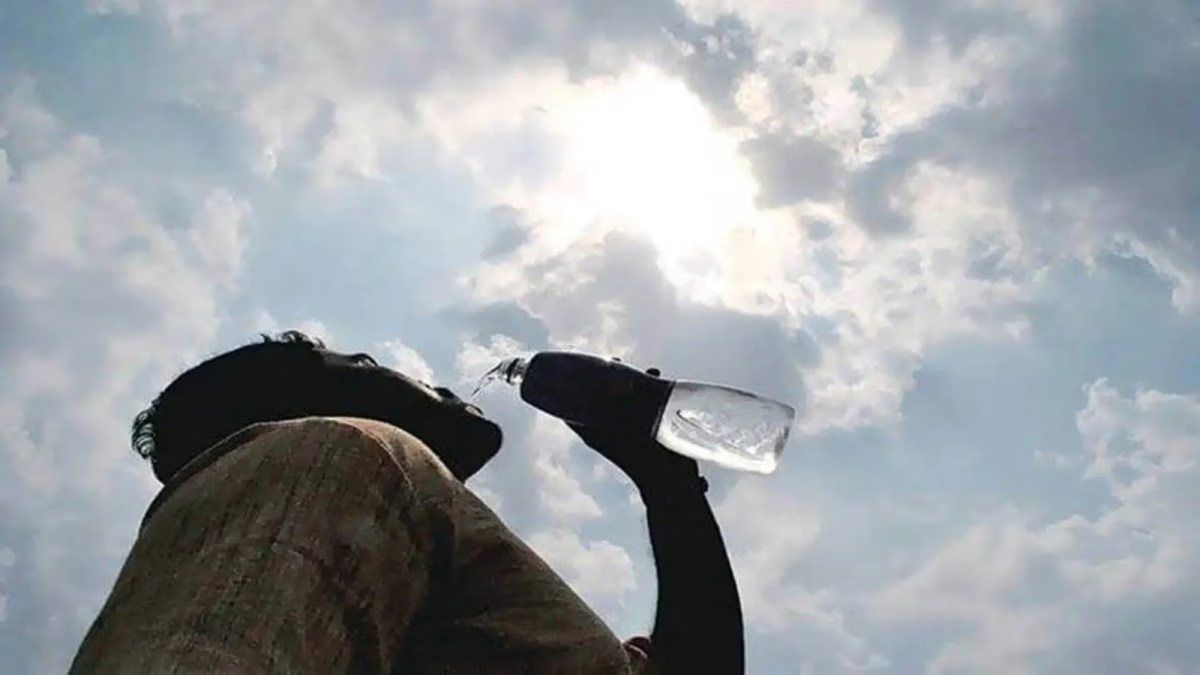
Pune is set to experience a sharp rise in daytime temperatures over the next 24 hours, prompting a Pune heatwave alert as the city transitions abruptly from mild winter conditions to early summer heat. Meteorological projections indicate maximum temperatures climbing into the mid-thirties, with dry skies and limited cloud cover accelerating surface heating across the urban landscape.
Weather officials expect no rainfall in the immediate forecast window. Minimum temperatures are likely to remain relatively stable, but the widening gap between day and night readings could intensify afternoon discomfort. For a fast-growing metropolitan region like Pune, this temperature surge carries implications beyond routine weather variability. Urban planners point out that Pune’s expanding built-up area, particularly in rapidly developing corridors such as Hinjawadi, Kharadi and Baner, has altered local microclimates. Concrete-heavy surfaces and shrinking green cover contribute to heat retention, amplifying the urban heat island effect. The Pune heatwave alert therefore reflects both seasonal warming and structural urban challenges.
Daytime temperatures between 32°C and 35°C are expected across much of western Maharashtra, with Pune among the key urban centres likely to feel sustained afternoon heat. Agricultural belts surrounding the city, including parts of Satara and Solapur districts, may also experience moisture stress. Experts advise that irrigation cycles be adjusted to prevent crop dehydration during peak sunlight hours. Public health specialists caution that early-season heat often catches residents unprepared. Construction workers, delivery personnel and informal sector labourers face the highest exposure risk. Even moderate temperature rises can lead to dehydration, heat exhaustion and productivity loss if precautionary measures are delayed.
Civic authorities in Pune have previously outlined heat mitigation strategies under broader climate resilience frameworks. These include increasing tree plantation drives, promoting reflective roofing materials and expanding shaded pedestrian infrastructure. However, implementation remains uneven across older neighbourhoods and new real estate clusters. Energy demand is another emerging concern. As households and commercial buildings increase cooling usage, electricity consumption typically rises, placing pressure on distribution networks. Urban energy analysts argue that promoting passive cooling design in new developments and retrofitting older buildings with energy-efficient systems could help manage peak demand while lowering emissions.
The Pune heatwave alert is also a reminder that climate variability is no longer confined to traditionally hotter regions. Rising baseline temperatures across the Deccan plateau are shortening transitional seasons and compressing winter windows. With clear skies forecast and no immediate relief expected, the coming days will test Pune’s preparedness at both household and institutional levels. As the city continues to expand as a technology and education hub, managing heat stress will become central to ensuring healthy, inclusive and climate-resilient urban growth.
Pune Braces For Rising Heatwave Conditions