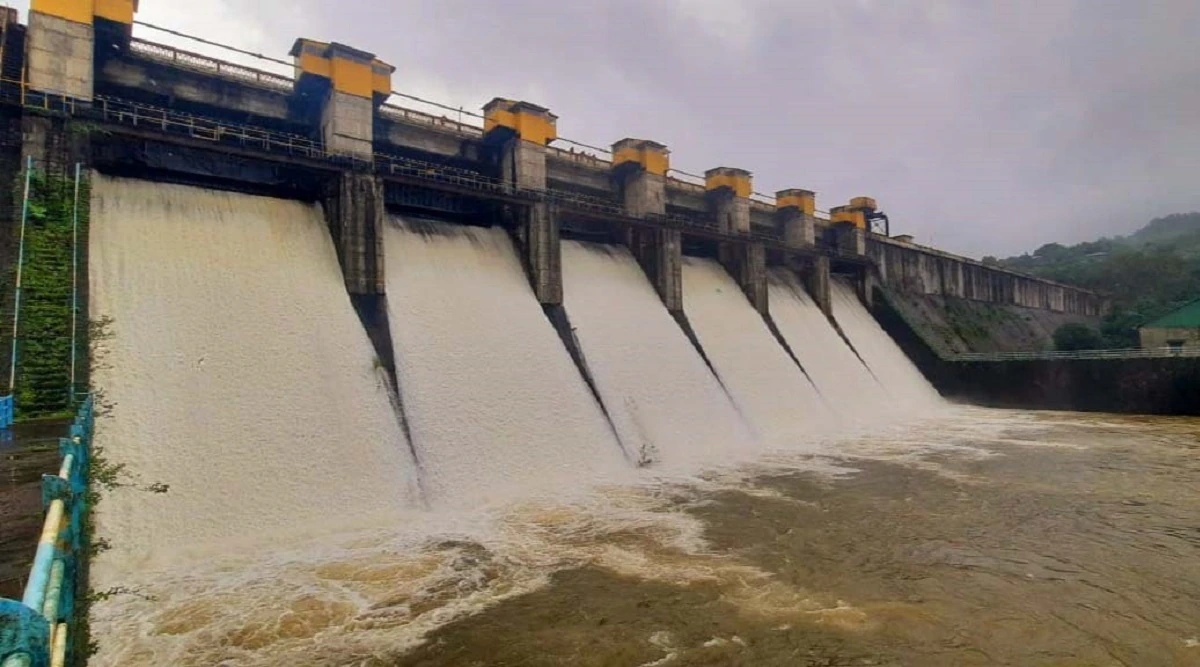
Pune begins controlled release of water from Pavana Dam as heavy rains raise reservoir levels
Pune authorities have commenced a planned release of water from Pavana Dam on July 5 at noon, responding to persistent heavy monsoon rains that have pushed the reservoir to 72 percent of its total capacity. The Water Resources Department confirmed that a steady discharge of 400 cubic feet per second (cusecs) is being initiated via the dam’s spillway to manage reservoir levels safely and prevent the dam from overflowing. This precautionary measure is expected to continue until around July 15, although actual timings and volumes may be adjusted depending on forthcoming weather patterns and water inflows.
Local administrative bodies and disaster management teams have been fully mobilised to ensure a coordinated response. Officials have issued urgent advisories to all residents living along the banks of the Pavana River, warning them to stay away from the riverbed and avoid any risky activities near flowing water. Farmers in agricultural zones near the river have been instructed to relocate livestock, farm machinery and other belongings to higher ground immediately. Inhabitants of low-lying areas have also been advised to remain vigilant, especially during rainfall events or large releases from the dam.
The controlled release aims to gradually reduce water levels in the dam while avoiding sudden surges downstream that could damage homes, cut off rural roads, or harm local wildlife. So far, no flooding or waterlogging incidents have been reported. Authorities say the release is consistent with the region’s dam safety and reservoir management protocols, which mandate regulated outflows when reservoir levels surpass 70 percent during intense rainfall seasons. The official noted that while 400 cusecs is within safe limits, it is enough to necessitate heightened awareness among residents and commuters who may be caught unawares.
To oversee the operation, the district disaster response team has set up monitoring stations at vulnerable points along the riverbank. These include bridges, culverts and roadways that could be impacted if water levels rise. Local police and tehsildars have been assigned to maintain a 24/7 presence, ensuring compliance with evacuation advisories and providing early warnings to communities downstream. Educational institutions near the river have been placed on alert, with several headmasters confirming that precautionary measures such as keeping children indoors have been implemented.
Communications teams have been deployed in high-risk zones to distribute flyers in Marathi and Hindi, highlighting danger signs, emergency helpline numbers and evacuation routes. Multiple WhatsApp groups have been established to provide real-time updates on weather alerts, dam discharge figures and road closures. If the discharge scale increases beyond the current 400 cusecs, text alerts and sirens will be used to warn residents.
The Water Resources Department emphasises that dam management decisions are guided by real-time data on rainfall, inflow, water levels and weather models. Officers assured that if the monsoon maintains its current pattern or intensifies, the release strategy will remain adaptive, with the goal of keeping reservoir levels well within the 90 percent safety threshold. The cumulative goal is to protect infrastructure, homes and the environment while complying with dam safety guidelines. Underlining the layered approach to crisis management, the administration is also working with municipal and forest departments. Clearance protocols have been issued to avoid deforestation around the riverbanks, which could exacerbate soil erosion during discharge. Additionally, fishing activity along Pavana River has been temporarily restricted until further notice, in line with safety protocols.
Civic volunteers and non-governmental organisations have stepped in to assist with community preparedness. They are distributing emergency supply kits containing drinking water, biscuits and medical essentials to vulnerable households and senior citizens. Rescue teams have also conducted mock drills to ensure efficient response in case of an unexpected flood event, though officials maintain that the situation remains under control.
Despite the positive outlook, several residents have expressed concern over flooding potential in narrow downstream sections where water flow increases rapidly during dam releases. Community leaders in villages downstream of Pavana Dam are coordinating with local officials to set up temporary shelters and evacuation routes. Some settlement communities have also arranged boats and inflatable dinghies to help during emergencies. In an encouraging development, regular rainfall in the dam’s catchment areas has replenished groundwater levels benefitting local wells and borewells. However, authorities have advised residents to use water judiciously. With the dam at operational capacity, robust riverbank management and sustainable use of stored water have been emphasised to ensure long-term benefits for agriculture and urban water supply.
Statistics from Pune’s Irrigation Department paint a promising picture: dams in the region currently hold the following percentages of their capacities—Khadakwasla at 57.7 percent, Panshet at 57.4 percent, Varasgaon at 63.4 percent and Temghar at 47.4 percent. Additional reservoirs such as Mulshi (71.3 percent), Pawana (61.4 percent), Chasakaman (65.4 percent), Vadaj (69.7 percent) and Dimbhe (48.8 percent) demonstrate that Pune is well positioned to meet water needs throughout the year. Nonetheless, the department has reaffirmed its proactive stance on controlled releases, especially given the region’s monsoonal fluctuations.
Experts believe that systematic discharges from Pavana Dam and other reservoirs support both flood control and sustainable water management. Yet, they agree that comprehensive public awareness and enforcement are critical. Authorities are closely collaborating with the Meteorological Department to anticipate potential mussoon surges, ensuring preparedness across departments. Key stakeholders, such as district authorities, municipalities and civic groups, continue to coordinate at weekly review meetings.
Already, the ripple effect of Pune’s dam management strategy is visible. Urban households report improved groundwater access, while downstream villages await long-term benefits if water flow is managed carefully. The Water Resources Department is also exploring drip irrigation schemes to benefit farmers using regulated dam releases. As heavy rainfall patterns persist, authorities remain ready to adjust tactics—be it increasing discharge or bolstering safety measures.
Pune’s decision to initiate a controlled release from Pavana Dam marks a critical step in managing monsoon-driven challenges. By blending data-driven dam management, rigorous safety protocols and community engagement, officials aim to safeguard lives, sustain livelihoods and protect infrastructure. With over 72 percent of the reservoir full and monsoon rains continuing, the coming days are expected to test Pune’s preparedness. For now, vigilant planning and public cooperation remain the cornerstones of this operation.