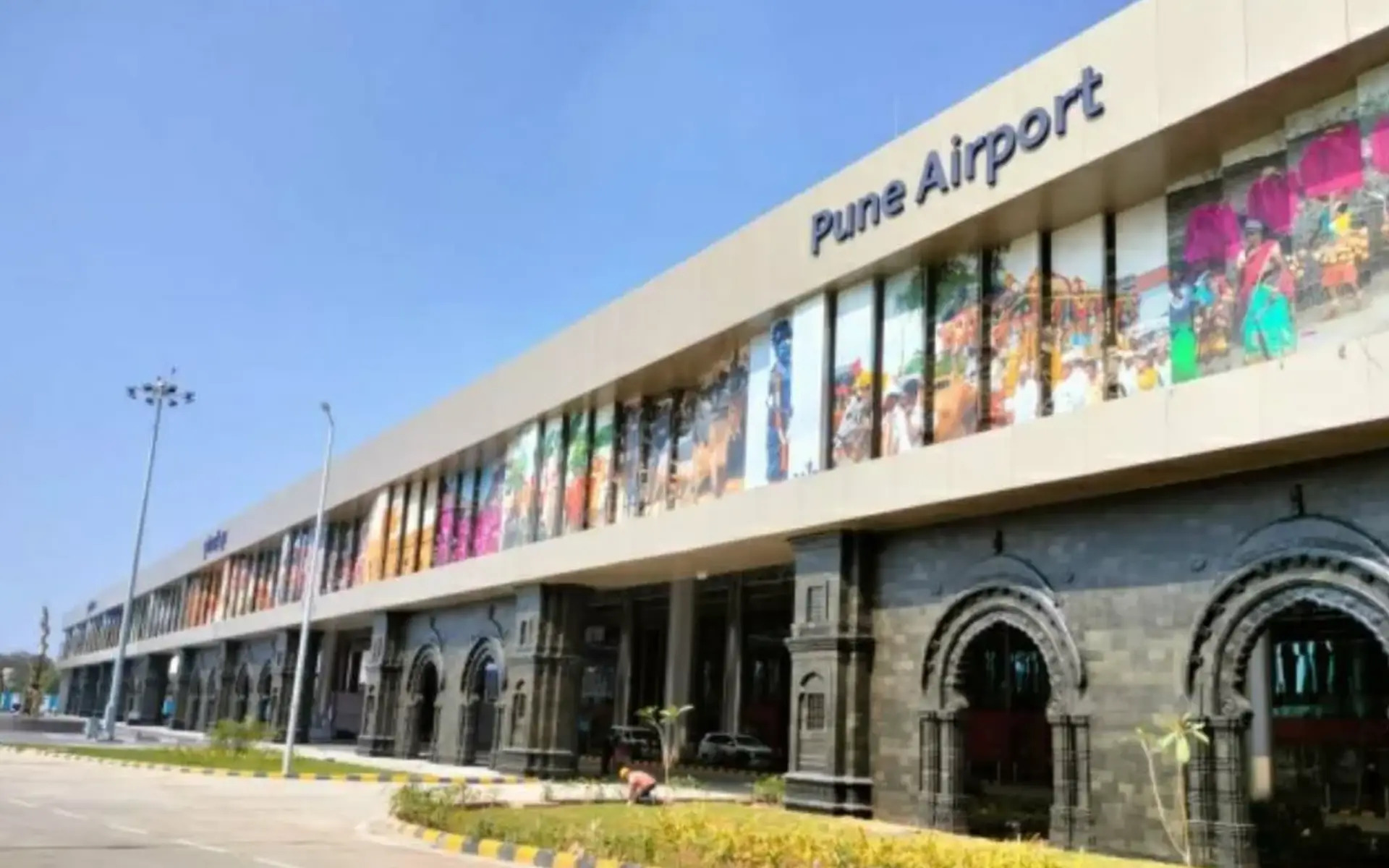
Pune Aviation Infrastructure Eyes Faster Immigration
Pune’s international airport is moving closer to a potential upgrade that could significantly reduce waiting times for overseas travellers, with the Union civil aviation establishment initiating steps to extend the Fast Track Immigration Pune facility to the city. The move reflects rising international passenger volumes and growing pressure on airport infrastructure in one of India’s fastest-expanding urban economies. Fast Track Immigration is a technology-led clearance system that allows pre-verified passengers to complete immigration formalities through automated e-gates. The programme, managed by the Union home affairs apparatus, is already operational at a select group of major airports and has been gradually expanded to regional hubs with rising international demand. Pune is now under consideration as part of this next phase.
The timing is critical. Pune airport currently operates a limited number of direct international services, yet overseas traffic has surged sharply over the past year. Aviation data shows that annual international passenger numbers rose by more than 60% between 2024 and 2025, signalling a structural shift in the city’s travel profile rather than a temporary rebound. Urban mobility experts say this growth mirrors Pune’s transformation into a globally connected technology, manufacturing and education centre.Despite this growth, immigration processing capacity has not kept pace. Passengers and airport operators have repeatedly flagged congestion during peak arrival windows, when limited staffing and manual verification lead to prolonged queues. These delays have knock-on effects beyond traveller inconvenience. Aircraft turnaround times are affected because parked international flights cannot be released for subsequent operations until all immigration and customs checks are completed, creating pressure on apron capacity.
Pune airport has a constrained number of parking bays, making efficient passenger clearance a key operational requirement. Aviation planners note that faster immigration processing directly improves airside efficiency, reduces fuel burn from delayed movements and helps airports use existing infrastructure more sustainably an important consideration for cities aiming to balance growth with lower carbon intensity. The Fast Track Immigration Pune system is designed to address these challenges by shifting eligible passengers to biometric verification, reducing dependence on manual counters. Registered users scan their passport and boarding pass at e-gates, with biometric authentication completed within seconds. Urban infrastructure analysts point out that such systems are not just about speed, but also about predictability, allowing airports to plan staffing, security and terminal flows more effectively.
For a city positioning itself as a future-ready metropolitan region, the proposed rollout also aligns with broader urban development goals. Improved international connectivity supports investment, tourism and talent mobility while easing pressure on frontline staff and physical infrastructure. Officials indicate that inter-ministerial coordination will determine timelines, as immigration services fall outside the aviation ministry’s direct control. If approved, the upgrade would mark a significant step in modernising Pune’s airport operations, signalling how mid-sized Indian cities can scale infrastructure intelligently as global travel demand rises.