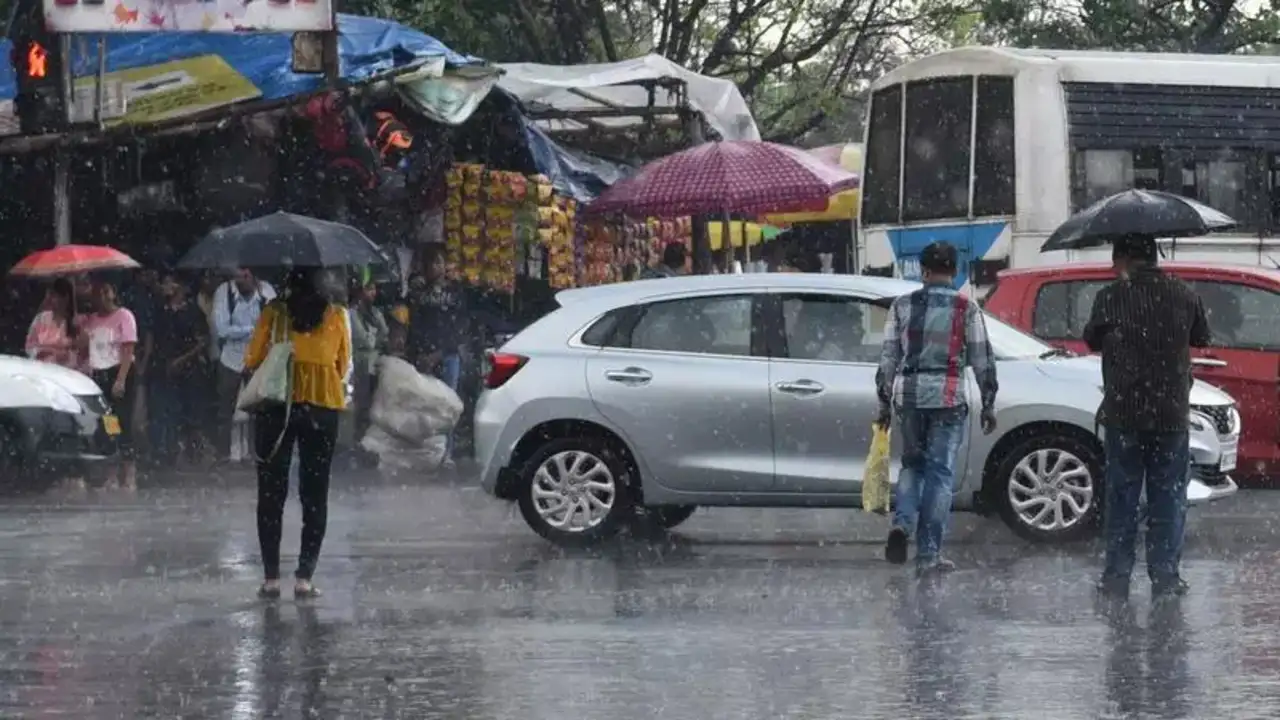
Pune Anticipates Increased Rainfall After Week Of Subdued Monsoon Activity
Pune city and its surrounding ghat areas are preparing for a marginal increase in rainfall activity this week, following a period of subdued showers, according to the India Meteorological Department’s (IMD) latest forecast. A yellow alert has been issued for Pune’s ghat regions for Monday, indicating potential heavy rainfall at isolated places. This expected uptick in precipitation is attributed to several active weather systems across the country, aiming to replenish water sources crucial for urban and agricultural needs across the region.
The IMD reports the presence of an upper air cyclonic circulation over the Bay of Bengal, with a low-pressure area anticipated to form over the northwest Bay of Bengal and adjoining coastal areas of West Bengal and Odisha within the next 24 hours. Additionally, another cyclonic circulation over central North Madhya Pradesh is expected to contribute to the formation of a new low-pressure area over northwest Madhya Pradesh in the coming 24 hours. These systems are forecast to boost monsoon activity across Maharashtra.
Despite these predictions, the past week saw minimal rainfall in many parts of the district. Between Saturday evening and Sunday evening, ghat areas like Tamhini received 56mm, while key city areas such as Shivajinagar recorded no showers. Catchments of dams supplying water to Pune also received very light precipitation, with Khadakwasla registering none, and Varasgaon, Temghar, and Panshet dams recording only 6mm, 9mm, and 7mm respectively. The collective water storage in these four dams currently stands at 8.34 TMC, emphasizing the need for increased rainfall. Yellow alerts are also in place for several other districts in Konkan and Madhya Maharashtra.
Increased rainfall is crucial for enhancing water security, directly supporting sustainable urban living and agricultural productivity. Adequate monsoon activity ensures replenished dam levels, vital for equitable water distribution across communities. This natural resource management is fundamental to environmental balance and the well-being of residents in the region.