Pune Announces Traffic Diversions For Angarki Chaturthi Dagdusheth Temple Celebrations
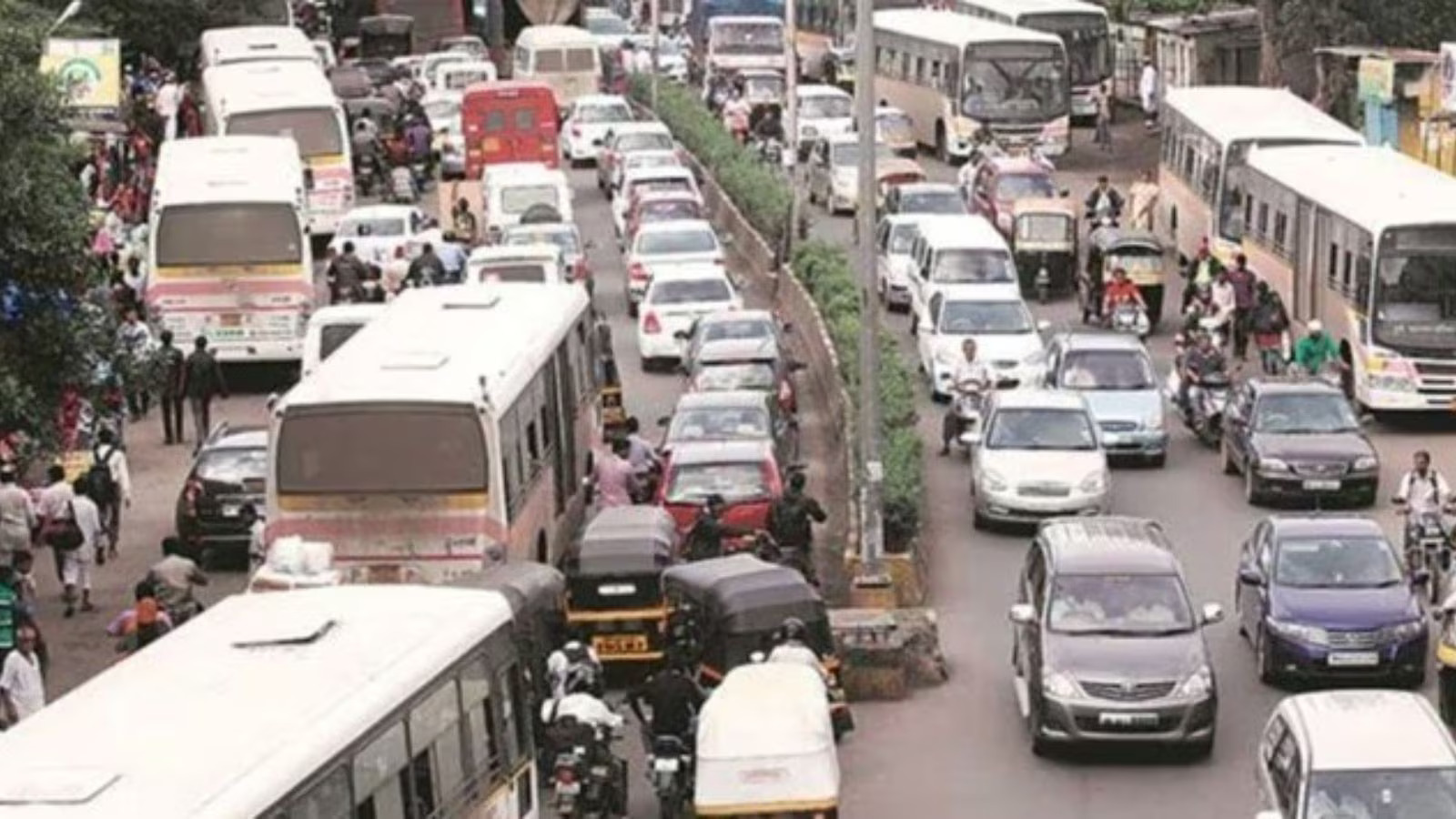
Pune is preparing for a significant traffic management operation in its city centre as thousands of devotees are expected to gather at the Shrimant Dagdusheth Halwai Ganapati Temple for Angarki Chaturthi on August 12. This proactive approach by the traffic police to issue a detailed advisory with alternative routes is not just about crowd control; it is a critical step towards creating a more sustainable and equitable urban environment. By temporarily closing key roads and rerouting traffic, the authorities are prioritising pedestrian safety and minimizing vehicular congestion, which in turn helps reduce carbon emissions. This strategic planning ensures that the city can accommodate large-scale spiritual and cultural events without compromising on the smooth flow of essential urban life. It promotes a more inclusive city where religious observance and daily commuting can coexist in an organised and safe manner.
The advisory outlines several key restrictions to facilitate the immense footfall anticipated at the temple. Chhatrapati Shivaji Maharaj Road will be closed to all vehicles heading towards Swargate, with motorists being advised to use Bajirao Road as a primary alternative. Similarly, the bustling stretch between Appa Balwant Chowk and Budhwar Chowk will see diversions, with traffic being routed through Abhinav Chowk, Tilak Road, and Fergusson College Road. For commuters travelling from Abhinav Chowk towards Shivajinagar, a carefully planned route via Junglee Maharaj Road and Tilak Road has been suggested. This detailed rerouting strategy is a testament to the city’s commitment to adapting its infrastructure for temporary, high-impact events. It is a vital measure to prevent traffic gridlock, a common issue in many Indian cities that leads to increased fuel consumption and higher pollution levels.
The Angarki Chaturthi festival holds immense spiritual significance for devotees of Lord Ganesha. Many observe fasts and offer special prayers, believing the day brings blessings and helps remove obstacles. The expected convergence of a large and diverse group of people for a common spiritual purpose highlights the need for a gender-neutral and safe public space, where everyone can participate without fear or inconvenience. The traffic police’s appeal for public cooperation and patience is a key element of this plan. It underscores a collaborative model of governance, where citizens’ participation is essential for the success of any public safety measure.
In the long run, such initiatives set a precedent for smarter urban management. By proving that major events can be hosted with minimal disruption through effective planning, the city can pave the way for a more walkable and environmentally conscious future. This proactive approach to traffic and crowd management ensures that Pune, as a rapidly developing metropolis, is well-equipped to handle the dynamics of its growth. It serves as a reminder that a truly modern city is not just defined by its infrastructure but by its ability to manage the delicate balance between urban mobility, public safety, and cultural reverence in a way that is beneficial for all its residents.