


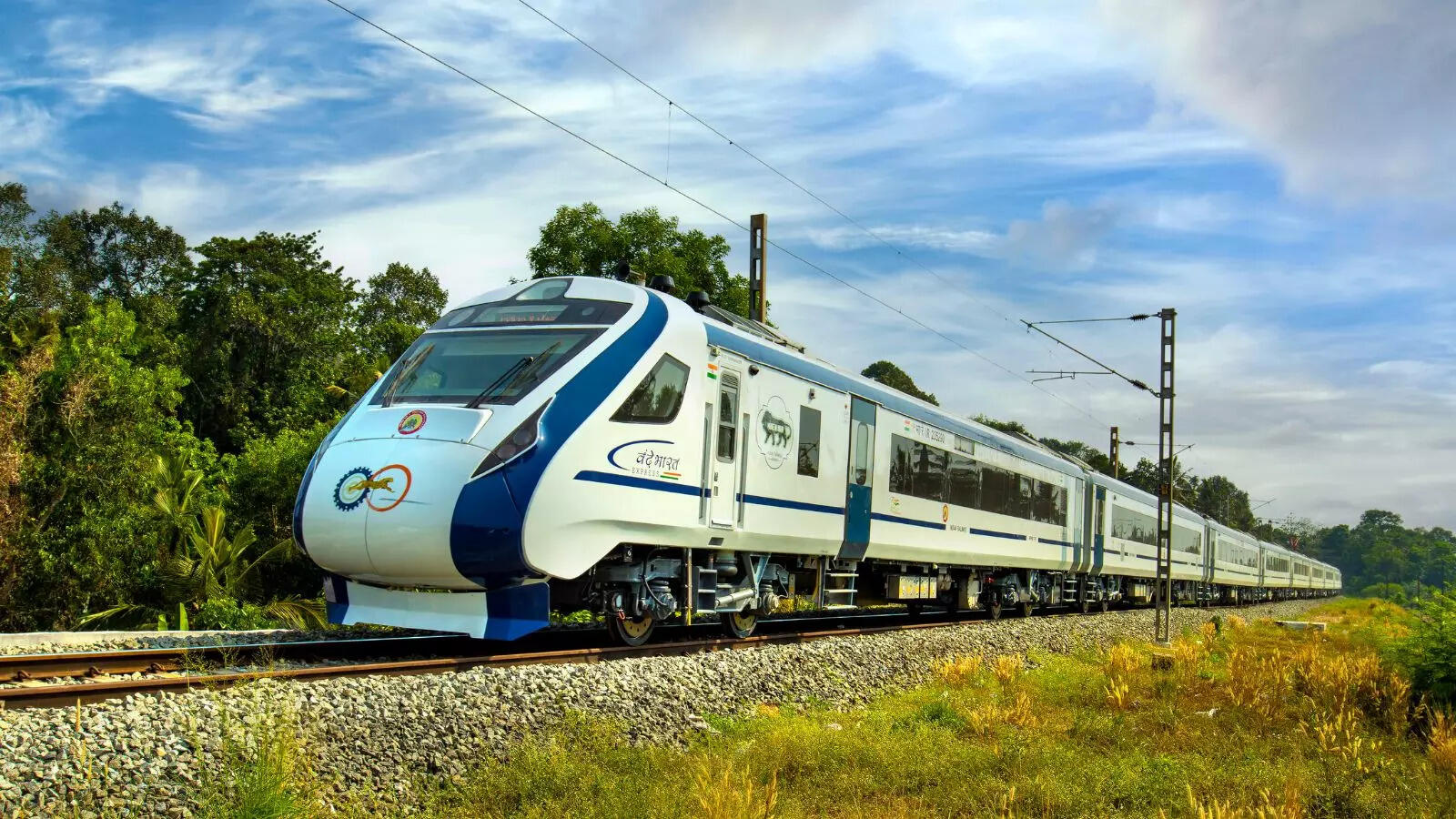
Pune witnessed a record surge in premium rail travel as the Pune–Ajni (Nagpur) Vande Bharat Express recorded earnings of ₹2.63 crore within just 11 days of operation, officials confirmed. The response, driven by festive travel demand, highlighted a growing preference among passengers for faster, punctual, and comfortable train services, underscoring the evolving dynamics of urban and regional mobility.
Railway authorities noted that among the four Vande Bharat services originating from Pune — Ajni (Nagpur), Kolhapur, Hubli, and Mumbai–Sainagar Shirdi — the Pune–Ajni route outperformed all others in both revenue and occupancy. During October 17–28, the service carried 14,387 passengers, achieving 145 percent occupancy. In comparison, the Mumbai–Sainagar Shirdi train transported a higher number of travellers (20,464) but recorded slightly lower relative occupancy at 98.56 percent. Industry experts attributed this surge to a combination of faster journey times, modern interiors, and enhanced passenger amenities. A senior railway official said, “Vande Bharat services are not just about speed; they offer a dependable and comfortable travel experience. During festivals, passengers are willing to pay a premium for these advantages, reducing reliance on road or air travel.”
Advance planning by Indian Railways ensured a seamless festive rush. Additional services, rescheduled departures, and strict adherence to timetables minimised delays for long-distance and daily commuters. All Pune-originating Vande Bharat trains remained punctual throughout, further strengthening passenger confidence in these services. The success of the Pune–Ajni Vande Bharat also reflects broader travel trends, with commuters increasingly valuing time savings, reliability, and inclusivity. Facilities designed for senior citizens and travellers with disabilities have further expanded the appeal of these trains. Railway planners note that sustained demand for premium, high-speed rail could inform future infrastructure investments and the introduction of additional upgraded services on other regional routes.
The strong festival performance underscores the transformative potential of modern rail services in shaping sustainable urban mobility. By offering an efficient alternative to high-emission road transport, Vande Bharat trains contribute to reduced carbon footprints and promote greener, more inclusive regional connectivity. As a result, these services align with broader national objectives of developing environmentally responsible, passenger-centric transit solutions. Officials confirmed that the data-driven success of Pune’s Vande Bharat services will serve as a model for future route expansions. Passenger feedback, occupancy metrics, and revenue patterns will guide planning decisions to enhance capacity, modernise infrastructure, and ensure that premium rail travel remains accessible, efficient, and sustainable.
Also Read: Pune Airport Introduces Three Hour Arrival Mandatory Secondary Security Check
