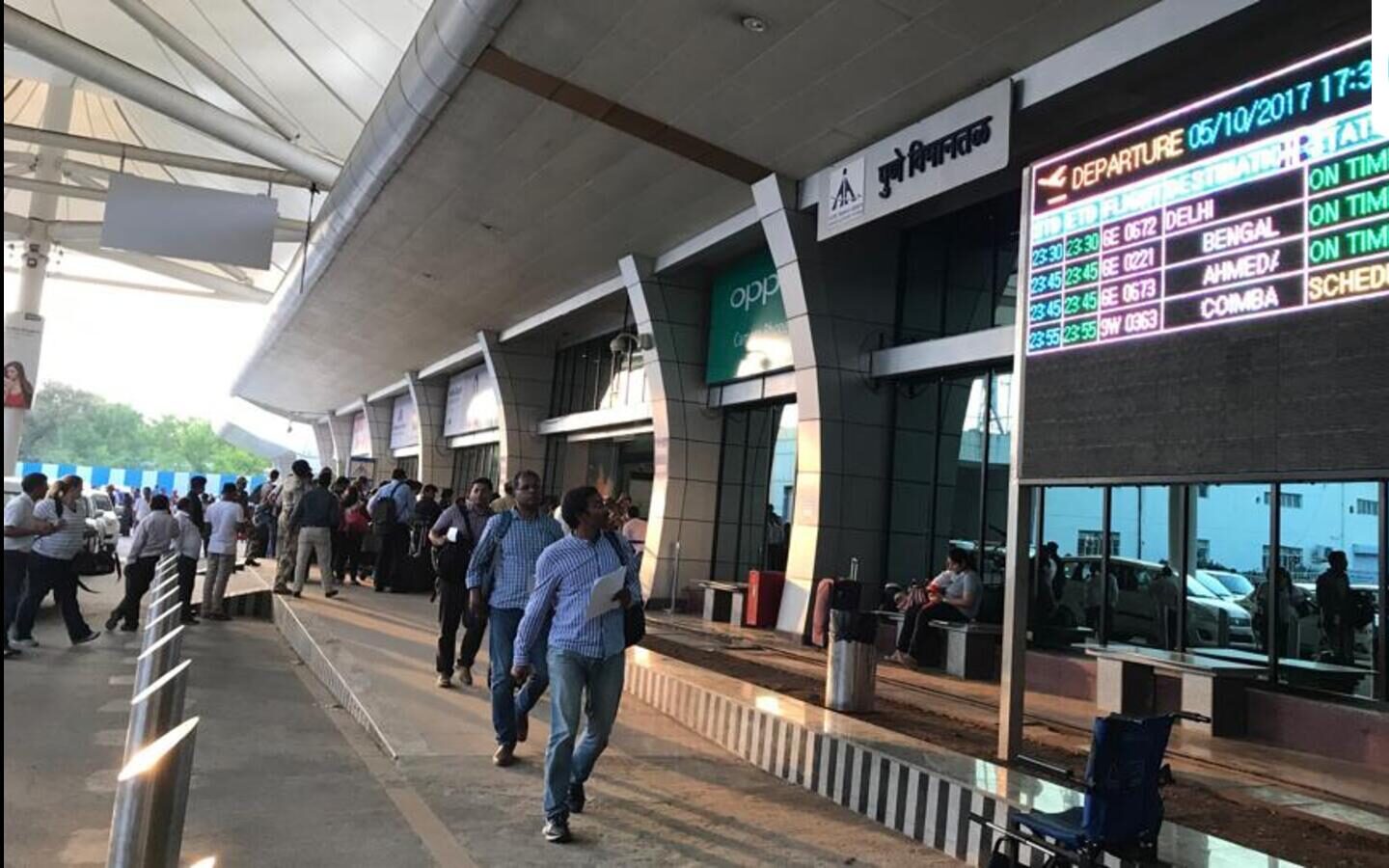
Pune International Airport is set to enforce a strict 12-minute waiting limit for vehicles at its terminal to manage congestion and enhance passenger flow. The initiative, expected to begin within a week, will leverage Number Plate Recognition (NPR) cameras to monitor overstays and penalise vehicles exceeding the limit. The measure responds to frequent traffic snarls that disrupt arrivals and departures, particularly during late-night peak flight hours.
Urban mobility experts note that Pune Airport experiences nearly 15,000 vehicle movements daily, with many drivers lingering in pick-up zones. Extended waiting not only clogs terminal entrances but also creates safety risks for pedestrians and emergency services. A senior airport official highlighted that introducing a dwell-time monitoring system is aimed at balancing operational efficiency with commuter convenience. The project involves installing six NPR cameras at key entry and exit points across the terminal. These cameras will automatically record entry and exit times, calculate vehicle dwell duration, and flag any violations. The system aligns with broader trends in Indian airports toward integrating smart technologies to manage ground traffic, optimise space, and improve the overall passenger experience.
Frequent flyers have welcomed the policy, citing persistent delays caused by congested pick-up areas. Industry observers point out that such measures are particularly relevant in rapidly urbanising cities like Pune, where airport access roads often intersect with busy arterial streets, amplifying congestion and emissions. By reducing idle vehicle time, the initiative could contribute indirectly to lower fuel consumption and carbon emissions in line with sustainable transport objectives. Airport planners also stress that timely regulation of terminal traffic can improve the efficiency of commercial and emergency services within the premises. Similar monitoring systems in other metropolitan airports have been shown to enhance passenger satisfaction, streamline operations, and reduce operational stress for transport providers. A senior urban transport analyst noted that enforcing dwell-time limits could also pave the way for better coordination with ride-hailing services and public transport options, offering a more structured first-mile and last-mile connectivity for travellers.
While enforcement will initially focus on compliance awareness, violators exceeding the 12-minute threshold are likely to face penalties once the system becomes fully operational. Experts suggest that such interventions, combined with public awareness campaigns, are critical for ensuring orderly terminal operations and reducing the friction that commuters face daily. As Pune continues to expand its airport capacity and passenger throughput, integrating technology-driven traffic management solutions is expected to set a precedent for other secondary airports in India. This step represents a pragmatic approach to urban mobility challenges within constrained airport precincts, balancing operational efficiency, commuter convenience, and sustainable city planning principles.
Pune Airport To Monitor Terminal Traffic With NPR Cameras