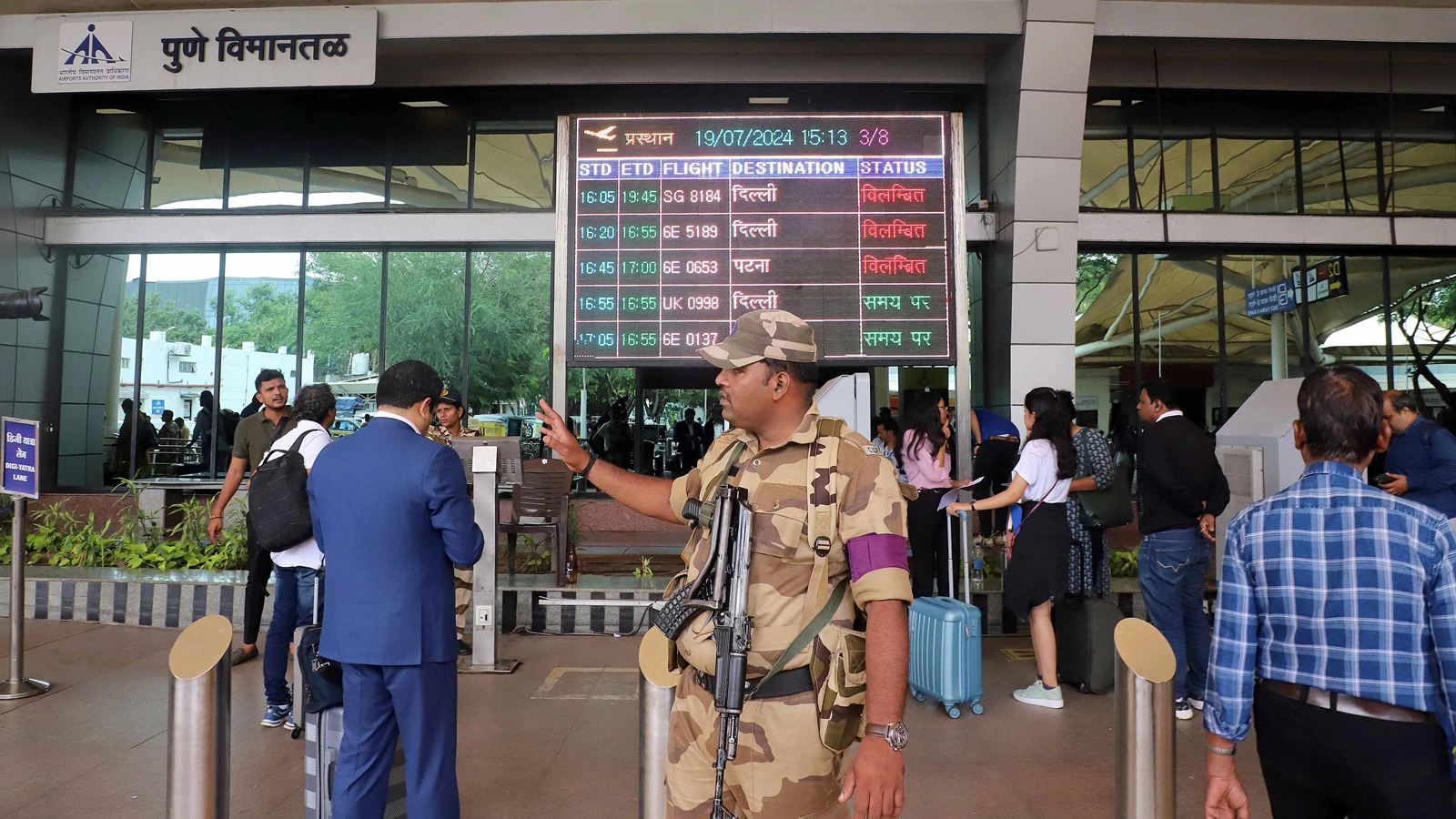
Pune Airport Service Quality Sets National Benchmark
Pune’s primary aviation gateway has emerged at the top of global passenger experience rankings, placing the city on a new footing in India’s urban infrastructure narrative. According to results from the Airports Council International’s Airport Service Quality programme, Pune Airport recorded one of the highest passenger satisfaction scores worldwide across the second half of 2025, underscoring how operational efficiency is becoming a decisive factor in city competitiveness.
The Airport Service Quality survey is widely regarded as a global benchmark because it is based on real-time passenger feedback collected at terminals, measuring experience across check-in, security, cleanliness, accessibility and wayfinding. For Pune, the near-perfect rating is significant not merely as an aviation milestone, but as an indicator of how well a mid-sized Indian metropolis is adapting to rising mobility demands without compromising passenger comfort. Urban planners point out that airports increasingly function as extensions of the city itself. Efficient terminals reduce travel stress, improve time management for workers and businesses, and shape first impressions for investors and visitors. In Pune’s case, steady passenger growth linked to its technology, education and manufacturing sectors has put sustained pressure on aviation infrastructure. Delivering high service levels under these conditions signals mature operational governance rather than cosmetic upgrades.
Senior aviation officials attribute the result to consistent process improvements rather than one-off interventions. Streamlined passenger flows, improved coordination between security agencies and airlines, and greater emphasis on frontline service training have collectively raised experience standards. Importantly, these gains have been achieved without major new construction, highlighting the value of optimising existing assets in a resource-constrained urban environment. From a sustainability perspective, service quality is increasingly tied to climate resilience and efficiency. Shorter queues, predictable turnaround times and better crowd management reduce energy loads within terminals and limit emissions from aircraft idling on the ground. Transport economists note that such operational discipline becomes critical as Indian cities work towards lower-carbon mobility systems while continuing to expand air travel.
The recognition also carries implications for regional development. As congestion at larger metro airports intensifies, consistently high-performing secondary hubs like Pune can attract additional routes, business travel and logistics activity. This decentralisation supports more balanced urban growth, easing pressure on megacities while strengthening regional economies. Looking ahead, aviation analysts caution that sustaining top-tier performance will require investment in digital systems, inclusive design for elderly and disabled passengers, and closer integration with public transport networks. As Pune advances plans for multimodal connectivity around the airport precinct, maintaining high Pune Airport service quality will be essential not just for flyers, but for the broader goal of building people-first, efficient urban infrastructure. The challenge now is to convert recognition into long-term resilience as passenger volumes continue to rise.