


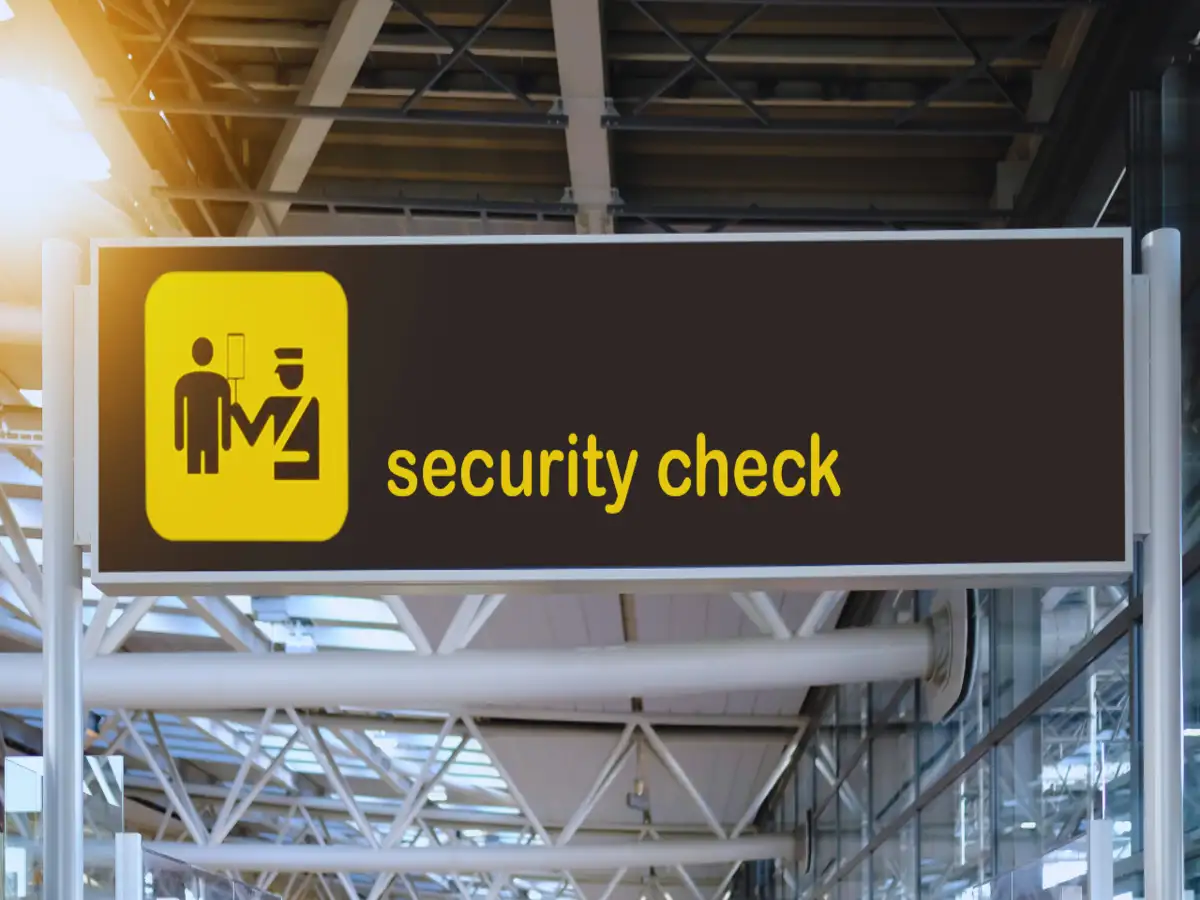
Pune has intensified security measures at its airport and railway station following the recent blast near Delhi’s Red Fort, officials said. Flyers have been advised to arrive three hours before departure to undergo mandatory secondary security checks, while Railway Protection Force (RPF) teams have increased patrolling at Pune Junction.
The Pune Airport Directorate has made Secondary Ladder Point Checks (SLPC) compulsory for all passengers. The SLPC involves frisking and rechecking hand baggage near boarding gates or aerobridges, conducted by airline personnel under CISF supervision. “This measure ensures an additional layer of security ahead of boarding. Passengers should plan for longer processing times,” an airport official explained. Contingents of bomb disposal squads, dog units, and quick response teams have also been deployed, maintaining vigilance across entry and exit points. Passengers have already felt the impact. Delhi-bound travelers reported security clearance taking 35–45 minutes beyond the usual time, highlighting the logistical challenges of enhanced screening. “The advisory is essential, but passengers must account for the extra time,” said an airline representative.
At Pune Junction, security has been similarly reinforced. RPF divisional officers confirmed regular and random patrols, with sniffer dogs deployed across platforms and luggage areas. Existing CCTV coverage includes 75 cameras, but authorities are planning to add 170 AI-enabled facial recognition cameras by the end of November. Additional cameras recently installed are still pending operational integration. Public transport bodies, including the Maharashtra State Road Transport Corporation (MSRTC), have also been instructed to alert their guards and coordinate with local law enforcement. However, on-ground implementation varies; some bus depots have reported minimal visible changes, with routine guard patrols continuing while AI surveillance systems remain in development.
Urban safety experts note that these measures highlight both the importance and challenges of managing complex transport infrastructure. “Integrated surveillance, timely maintenance, and AI-supported monitoring are crucial to effective public safety,” a senior urban planner said. They emphasised that consistent operational protocols across all transport nodes will reduce vulnerabilities and optimise citizen protection. Officials stressed that while enhanced security measures may extend passenger wait times, they are vital to safeguarding urban mobility and public safety. Authorities continue to monitor the situation closely and adjust deployments to ensure minimal disruption while maintaining high vigilance across the city’s critical transport hubs.
Also Read : Pune Airport Expansion Plan Approves 300 Acres Runway Extension And MRO Facility
