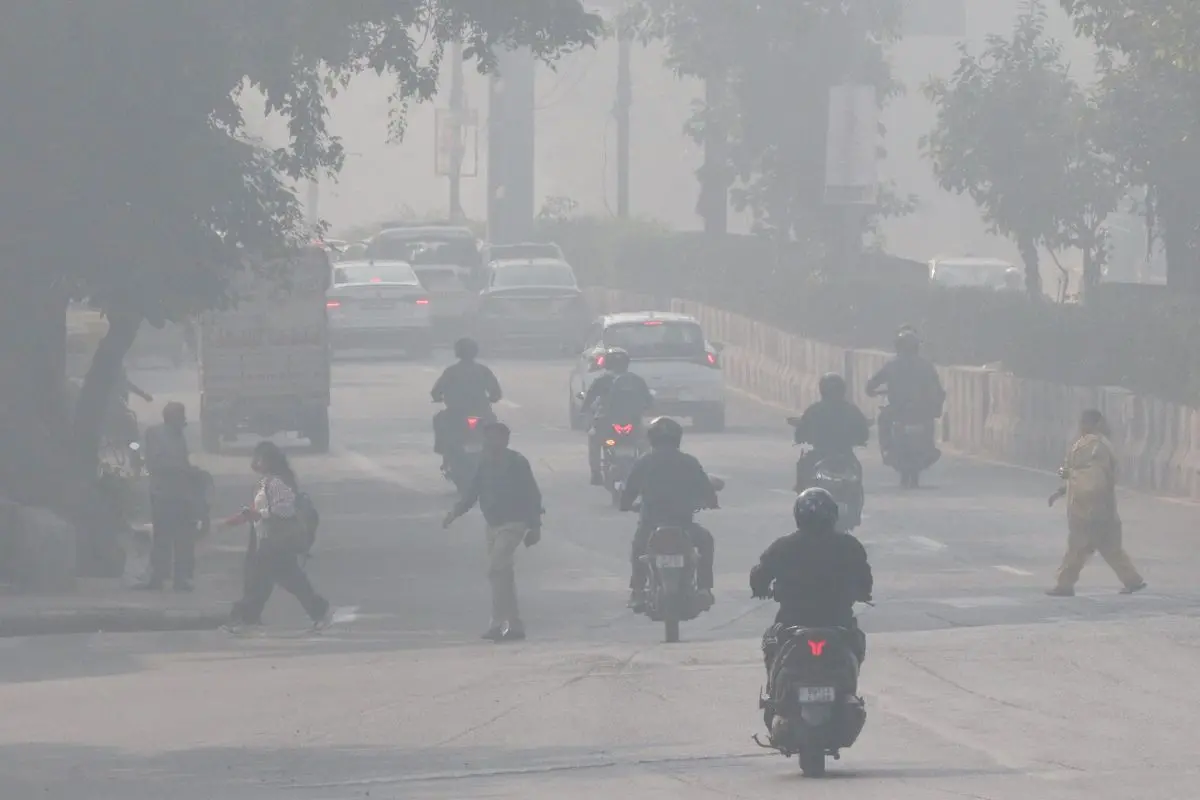
Pune’s air quality deteriorated sharply on Thursday, pushing the city into the ‘poor’ category and triggering renewed health concerns for residents. Data from the Central Pollution Control Board’s Sameer App indicated that three major monitoring stations Shivajinagar, Lohegaon, and Bhumkar Nagar registered AQI levels above 300, placing them in the ‘very poor’ zone. The citywide AQI stood at 213 as of 9 pm, marking the second significant spike in early December.
According to an official source, Bhumkar Nagar recorded an AQI of 309, Lohegaon at 304, and Shivajinagar at 311. Other areas, including Wakad and Pimpri Chinchwad, also reported elevated levels, though lower than the worst-hit pockets. Industry experts highlighted that stagnant weather conditions, reduced wind speeds, and ongoing construction and traffic emissions were key contributors to the deterioration.An air quality researcher explained, “Falling temperatures and low ventilation prevent pollutants from dispersing. Combined with vehicular emissions and construction dust, the AQI rises sharply. Without immediate interventions, these spikes are likely to continue through winter.” Residents, particularly those with respiratory conditions, are advised to limit outdoor activity and use protective measures when travel is unavoidable.
Historically, Pune managed to maintain moderate air quality despite cold November temperatures. However, the onset of December has coincided with increased emissions from traffic congestion and urban construction, compounding the city’s air pollution woes. Experts caution that repeated exposure to AQI levels above 300 can have serious health implications, including respiratory stress and cardiovascular strain, particularly among vulnerable populations.The data underscores the need for proactive urban governance. Effective measures such as dust control at construction sites, traffic management, restrictions on open waste burning, and regular monitoring can help mitigate pollution spikes. “It is imperative that civic authorities coordinate with state pollution control boards to ensure timely responses,” an environmental consultant noted. Currently, responses from local enforcement agencies remain limited, highlighting a gap between monitoring and mitigation.
With winter now deepening, urban planners emphasise that sustainable city strategies must integrate pollution control with broader climate-resilient development. Initiatives like expanded green cover, low-emission public transport, and citizen awareness campaigns can reduce both immediate health risks and long-term environmental impacts. Pune’s experience this week serves as a reminder that urban air quality management is not merely a regulatory responsibility but a crucial aspect of inclusive, livable, and sustainable city planning.
Pune Air Quality Dips Severely With Three Stations Crossing Three Hundred AQI