



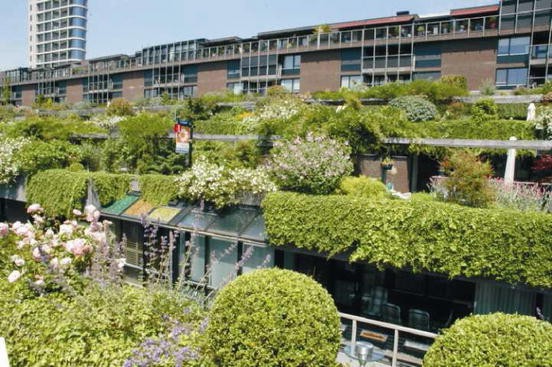
Uttar Pradesh is stepping up its focus on eco-tourism as a structured economic and conservation strategy, with a new destination taking shape near Dudhwa National Park in the state’s Terai region. The development at Chandan Chowki in Lakhimpur Kheri reflects a broader shift in how state governments are approaching tourism moving away from high-volume footfall models toward lower-impact, experience-driven destinations anchored in ecology and community participation.
Located close to one of India’s most ecologically sensitive wildlife reserves, the Chandan Chowki initiative is being developed through a public-private partnership model involving the Uttar Pradesh Eco Tourism Development Board (UPETDB). The project includes nature-integrated hospitality infrastructure, wellness facilities and visitor amenities designed to complement, rather than compete with, the surrounding forest landscape. Policy experts say the choice of location is significant. Dudhwa National Park is part of India’s Project Tiger network and is among the few reserves where Bengal tigers and one-horned rhinoceroses share habitat. It is also home to endangered swamp deer and diverse birdlife. Tourism development around such zones carries high ecological risk if poorly planned, making design sensitivity and long-term management critical to the project’s success. Rather than positioning eco-tourism as a mass accommodation exercise, the Chandan Chowki model emphasises restrained capacity, experiential travel and environmental education. Accommodation formats, wellness spaces and recreational facilities are being planned to minimise land disturbance and visual intrusion, aligning with global best practices in nature-based tourism.
Urban and regional planners note that eco-tourism is increasingly being viewed as a tool for balanced regional development, particularly in districts that lack large industrial or commercial bases. For Lakhimpur Kheri, tourism linked to Dudhwa offers a way to diversify livelihoods while preserving the ecological assets that define the region. Community integration forms a key component of the project. Dedicated spaces for Tharu tribal handicrafts aim to link tourism activity directly with local income generation, especially for women artisans. Such initiatives reflect a growing recognition that eco-tourism must distribute economic benefits locally to be socially sustainable, rather than functioning as an enclave economy. Organic horticulture zones and cultural engagement activities planned within the destination further point toward a slower, immersive tourism model one that encourages longer stays and deeper interaction with local ecology and traditions. Analysts say this approach aligns with changing traveller preferences, particularly among urban domestic tourists seeking wellness, nature and authenticity over conventional luxury. From a policy standpoint, the project illustrates Uttar Pradesh’s attempt to broaden its tourism portfolio beyond religious and heritage circuits. Nature-based destinations are increasingly seen as complementary assets that can attract year-round visitation and reduce seasonal volatility. However, experts caution that long-term outcomes will depend on strict environmental monitoring, regulated visitor numbers and consistent governance.
Eco-tourism near protected forests demands ongoing oversight, as even low-density development can strain ecosystems if operations are not carefully managed. If executed as intended, the Chandan Chowki initiative could offer a replicable framework for eco-tourism development in forest-adjacent regions demonstrating how conservation priorities, local livelihoods and tourism infrastructure can coexist within clearly defined ecological limits.
Also Read: Pune homebuyers prioritise trust location transparency
Public-private model shapes UP’s forest tourism strategy
