


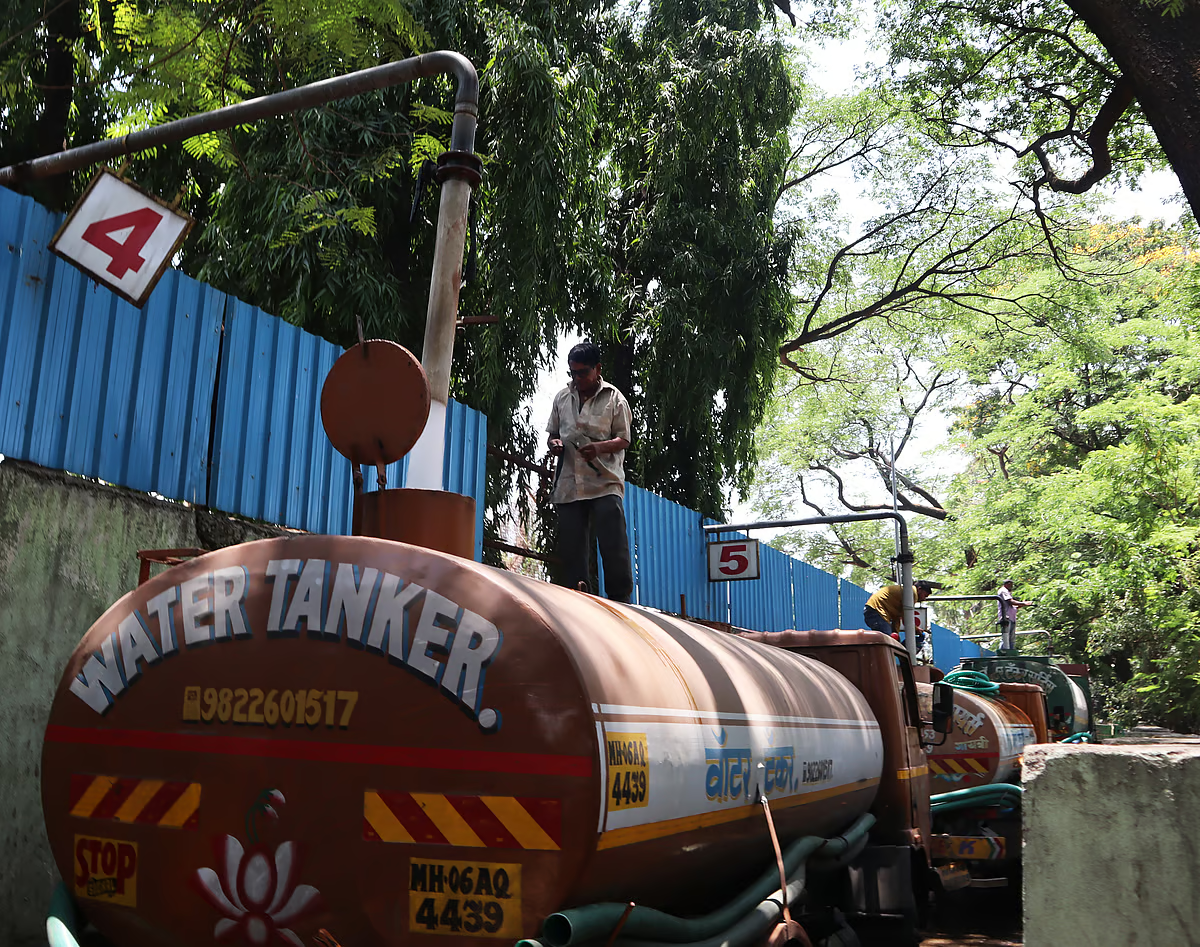
Private Water Tankers Found to Be Contaminated Amid GBS Outbreak
In Pune, the recent surge in Guillain-Barré Syndrome (GBS) cases has prompted a series of investigations into the city’s water quality. Testing of water samples from various localities has uncovered a troubling connection between contaminated water and the outbreak of GBS. Authorities have identified 15 private water tanker services supplying water that tested positive for harmful bacteria, exacerbating an already concerning public health crisis.
The Pune Municipal Corporation (PMC) is taking swift action in response to these findings. Water samples have been collected from multiple sources, including overhead tanks and taps in areas affected by GBS. In total, 15 private water tankers were flagged for contamination, and the results have been handed over to the civic water supply department for further investigation. Civic chemist Mandar Sirdeshpande revealed the troubling discovery, stating that the presence of bacteria in the water supplied by these tankers poses a serious health risk. Given that many residents rely on private tanker services due to inconsistent municipal supply, this discovery has raised alarm bells among health and civic authorities alike.
The severity of the situation has prompted Nandkishore Jagtap, the chief of the civic water supply department, to step in. The department’s challenge is that it lacks comprehensive data on the number of private tanker services operating in the city, as well as the sources from which they obtain water. Despite convening a meeting with private tanker providers, the turnout was disappointing, leading to the issuance of notices and warnings to these services. In a bid to mitigate the immediate risks, the PMC has instructed private tanker providers to use disinfectants provided by the civic body until they can arrange for their own purification solutions. These urgent measures are critical in curbing further exposure to contaminated water.
Beyond the private water tanker issue, the PMC’s investigation has uncovered a broader problem regarding the maintenance of water storage tanks in housing societies. Many residential complexes have failed to clean and properly maintain their tanks, compounding the contamination problem. Additionally, the mixing of borewell water from private tankers with municipal supply has been found to exacerbate the bacterial contamination, especially in areas affected by GBS. To counter these risks, the PMC is actively educating residents on the importance of proper tank maintenance and ensuring that all water used for consumption is clean and properly treated.
From a sustainability perspective, this situation highlights the urgent need for more robust urban water management systems. A comprehensive overhaul of the city’s water infrastructure is essential not just for preventing future outbreaks of diseases like GBS, but also for ensuring that all residents have reliable access to clean and safe water. Pune’s water management challenges, compounded by inconsistent quality and lack of adequate maintenance, underline the need for stronger regulations and public-private partnerships that can guarantee access to safe drinking water for all. In the long term, sustainable water solutions, such as improved treatment facilities and community-wide awareness about water safety, must be a cornerstone of Pune’s urban planning agenda.
