Prestige Group to Construct 1.5 km Flyover Linking Bellandur to ORR
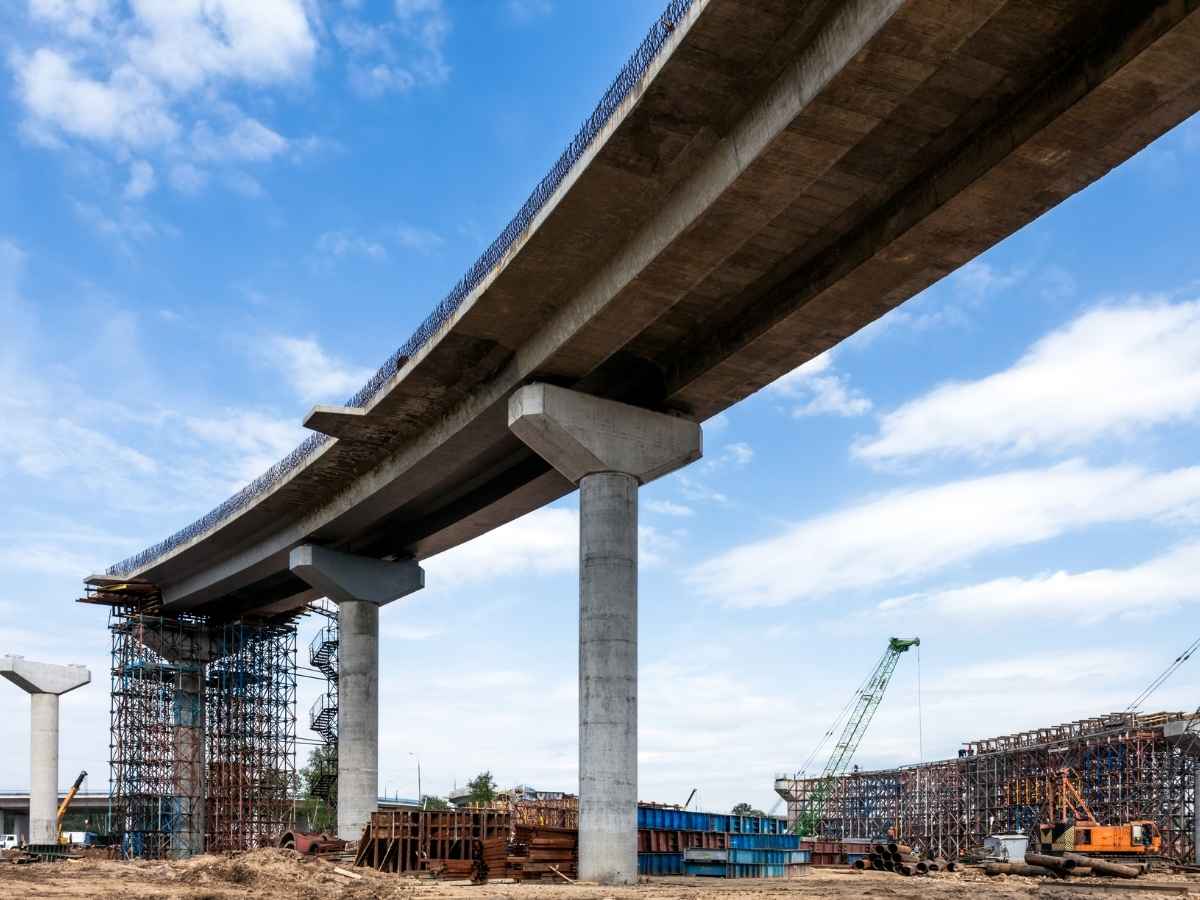
The Prestige Group has secured municipal approval to construct a 1.5-kilometre “private” flyover in Bengaluru. This elevated corridor will strategically connect its upcoming Prestige Beta Tech Park in Bellandur directly to the Outer Ring Road (ORR), a crucial arterial route in the city’s bustling IT corridor. The Bruhat Bengaluru Mahanagara Palike (BBMP) has sanctioned the project, which will run alongside the public Kariyammana Agrahara Road and a stormwater drain, marking another instance of private sector engagement in public infrastructure development aimed at enhancing urban mobility.
The initiative comes as a direct response to the severe traffic bottlenecks experienced on existing access routes, notably the Old Airport Road (via Yemalur) and Kariyammana Agrahara Road. With the 70-acre Prestige Beta Tech Park anticipated to accommodate over 5,000 employees, the developer’s proposal highlighted the urgent need for improved connectivity to mitigate the exacerbation of an already challenging traffic landscape. This strategic intervention underscores the growing trend of large corporations investing in ancillary infrastructure to support their sprawling campuses, a model gaining traction in rapidly expanding urban centres.
While the flyover is a private initiative, the BBMP has stipulated that the newly constructed elevated road must be accessible for public use, ensuring that the benefits of this infrastructure extend beyond the tech park’s employees. In a reciprocal arrangement, Prestige Group has committed to fully funding the construction of the flyover and undertaking the widening of the Kariyammana Agrahara Road, a known traffic bottleneck. This collaborative model, often referred to as a Public-Private Partnership (PPP), aims to leverage private capital and expertise to accelerate infrastructure development, a critical need for Bengaluru’s burgeoning economy.
The approval process for the flyover was protracted, with Prestige Group submitting proposals in August 2022 and again in November 2023, before receiving the green light in April 2025. This timeline, following an endorsement from a senior state government official, reflects the complex regulatory scrutiny often associated with projects involving public land. Such developments, while promising immediate relief from congestion, also spark broader discussions about urban planning equity, the potential for private infrastructure to inadvertently create exclusive access points, and the transparent allocation of public resources.
A key aspect of the BBMP’s approval includes the provision for Prestige Group to claim Transferable Development Rights (TDR) certificates. These certificates serve as a form of compensation for any land relinquished by the developer for public road widening, provided such claims align with the existing legal framework. TDRs are a valuable urban planning tool, designed to balance development needs with conservation efforts by allowing for the transfer of development potential from one area to another. Their application in this project signifies an attempt to find innovative financial mechanisms for infrastructure enhancement.
This project positions Prestige Group within a select cohort of private entities in Bengaluru that have taken on the development of public infrastructure to service their commercial ventures. Notable precedents include an underpass constructed by a prominent mall developer and a flyover built by another major business park, both designed to provide direct access to the ORR. This emerging trend raises important questions about the future of urban infrastructure, particularly regarding equitable access, potential for increased privatisation of public spaces, and the long-term planning for a sustainable and inclusive urban transport system that caters to all citizens, not just corporate commuters.
The move by Prestige Group to invest in a dedicated flyover, alongside other developers proposing similar solutions, highlights the severe infrastructure deficit faced by Bengaluru, particularly around its IT corridors. While these private interventions offer immediate relief to specific high-traffic zones, a holistic and integrated urban mobility plan remains essential. Such plans must consider broader traffic dispersal, pedestrian safety, public transport integration, and the environmental impact of new constructions, ensuring that piecemeal solutions contribute to a cohesive, eco-friendly, and equitable urban fabric for all residents of Bengaluru.