


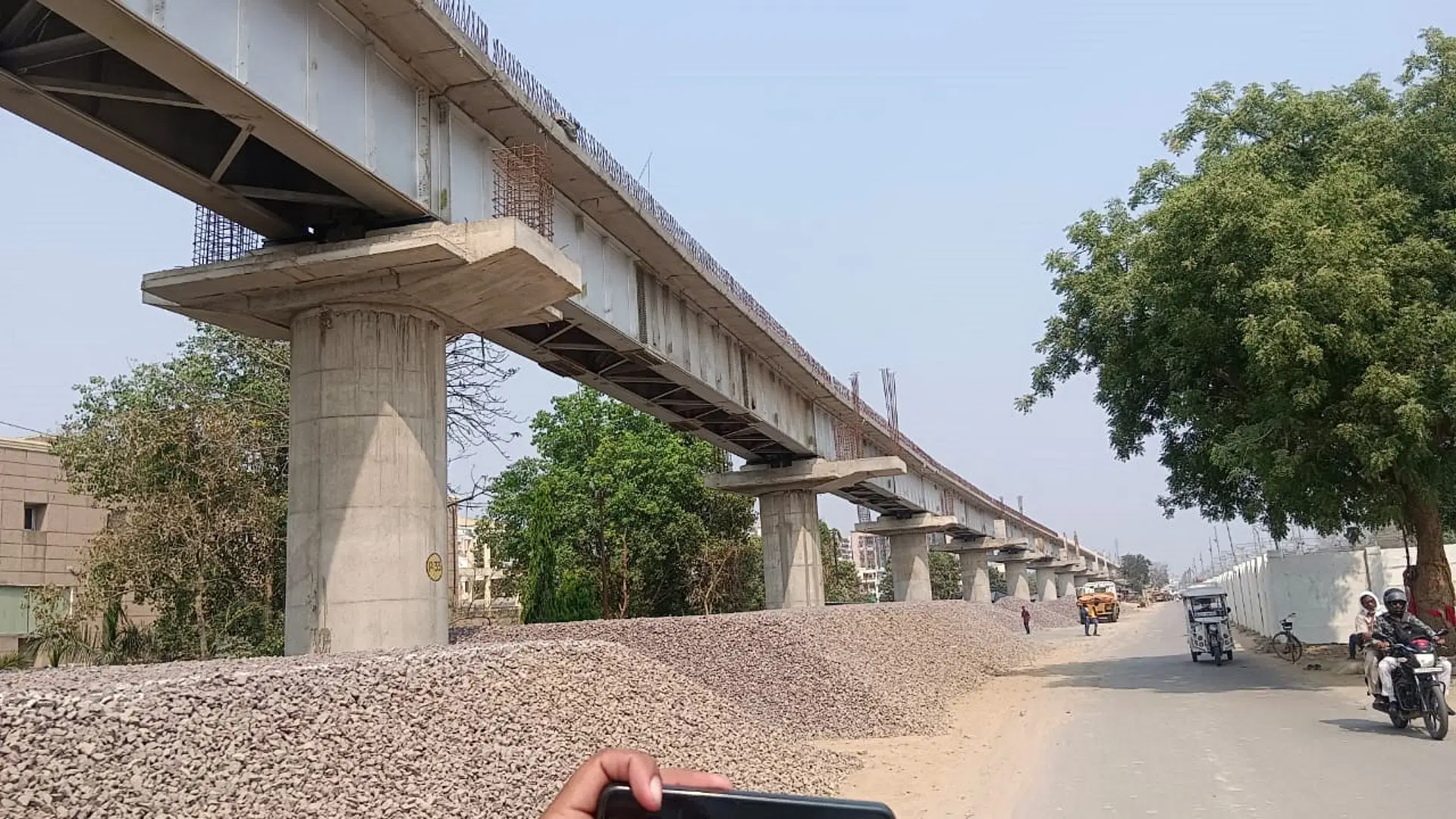
Prayagraj’s railway network is set for a transformative upgrade, with the city’s first rail flyover on track for completion by the end of this year. The strategic infrastructure project, currently 80 percent complete, is expected to enhance rail mobility, reduce delays, and ease operational congestion across one of the busiest railway junctions in North India.
According to officials from North Central Railway, the flyover—spanning approximately three kilometres from Subedarganj to Bamrauli—is being executed under the national Mission Raftaar initiative, which aims to increase average train speeds across the Indian Railways network. The flyover is designed to bypass existing track and road intersections, allowing seamless passage for long-distance and regional trains, especially during peak operations at Prayagraj Junction. The project had temporarily slowed down during the Maha Kumbh gathering, which paused work for nearly five months due to massive footfall and logistical restrictions in the area. However, post-festival, construction efforts have regained momentum, with teams now working at accelerated pace to meet the revised December deadline—well in advance of the 2026 Magh Mela, a religious congregation that draws millions of visitors to the city.
Built at an estimated cost of ₹493 crore, the rail flyover holds immense significance in the context of sustainable urban infrastructure. Once operational, it will eliminate unnecessary halts at outer signals for trains moving from Rambagh and Prayagraj towards Kanpur, thereby improving punctuality and operational fluidity. The elevated structure will cross key railway corridors, including the Delhi–Howrah main line, near the headquarters of North Central Railway. Officials confirmed that the flyover will also help in decongesting local road traffic, as the structure will pass above both tracks and roads, reducing railway gate closures and vehicle pile-ups. The project is part of the fourth railway line development connecting Prayagraj Junction to Bamrauli, a critical stretch for both passenger and freight operations.
Urban transport experts see this development as a key step towards making Indian cities more efficient and transit-ready, especially for fast-growing centres like Prayagraj. Reducing idling times and manual coordination at outer signals not only improves energy efficiency but also lowers emissions per train trip—supporting India’s long-term goal of low-carbon mobility. As Prayagraj grows in prominence both as a cultural and logistical hub, its rail infrastructure is expected to keep pace with rising demand. The upcoming flyover is seen as a symbol of this commitment—one that aligns with sustainable development, improved public service delivery, and enhanced regional connectivity.
Also Read : Mumbai Train Operations Disrupted for 9 Hours After Overhead Electric Wire Snaps Near Nashik
