


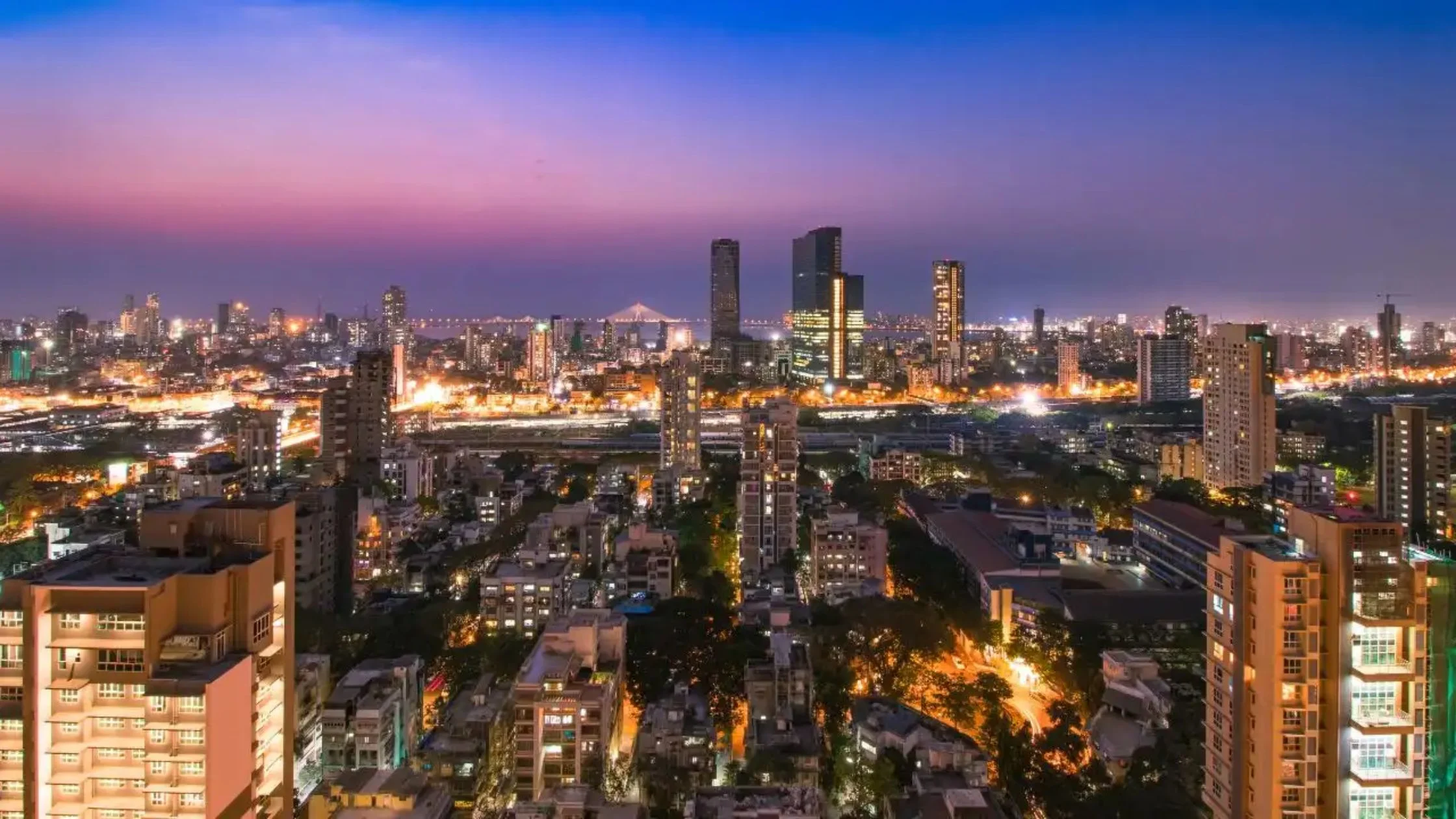
Mumbai’s ultra-premium residential market has recorded another high-value transaction, with a luxury apartment purchase in Prabhadevi signalling sustained demand for central city housing among high-net-worth households. The deal, registered in late 2025, reflects how well-connected neighbourhoods with established civic infrastructure continue to command premium pricing, even as housing affordability challenges persist elsewhere in the city.
Property registration records indicate that the apartment is located within a high-rise residential development in Prabhadevi, a micro-market that has steadily evolved from a mixed-use precinct into a preferred address for senior professionals, business leaders, and public figures. The home spans a large carpet area and includes multiple dedicated parking spaces features increasingly viewed as non-negotiable in Mumbai’s dense urban core. Industry experts note that transactions at this price point are less sensitive to short-term interest rate movements and more closely linked to long-term confidence in Mumbai’s economic fundamentals. Central neighbourhoods such as Prabhadevi benefit from proximity to key employment districts including Lower Parel, Worli, and the Bandra Kurla Complex, while offering relatively stable social infrastructure compared to rapidly expanding suburban zones. Urban planners point out that Prabhadevi’s appeal also lies in its multimodal connectivity. The area is served by arterial road corridors, suburban rail, and direct access to the Bandra-Worli Sea Link, enabling efficient north-south movement across the city. Such connectivity reduces daily commute times and lowers indirect carbon costs associated with long-distance travel, an increasingly relevant factor for buyers prioritising sustainable urban living.
The transaction adds to a broader pattern of capital consolidation in Mumbai’s established residential districts, where redevelopment and vertical growth are replacing older housing stock. While this trend supports higher land values and modern building standards, it also raises concerns around infrastructure load, water availability, and public space provision. Urban development specialists stress that premium housing growth must be accompanied by investments in resilient utilities, pedestrian safety, and climate-responsive design. Recent registration data shows that Mumbai’s luxury housing segment has remained active through 2024 and 2025, supported by strong balance sheets, diversified income sources, and a preference for asset security within India’s financial capital. Unlike speculative cycles of the past, current demand is largely end-user driven, with buyers viewing high-quality homes as long-term residences rather than short-term investments.
As Mumbai continues to attract wealth and talent, transactions such as this underline the city’s enduring pull but also highlight the need for balanced urban planning. Ensuring that premium residential growth aligns with inclusive infrastructure, environmental resilience, and equitable access to services will determine whether central neighbourhoods remain liveable as well as desirable in the years ahead.
Also Read: Sumadhura Group Targets Major Bengaluru Launches
Prabhadevi Reinforces Mumbai Ultra Premium Housing Demand
