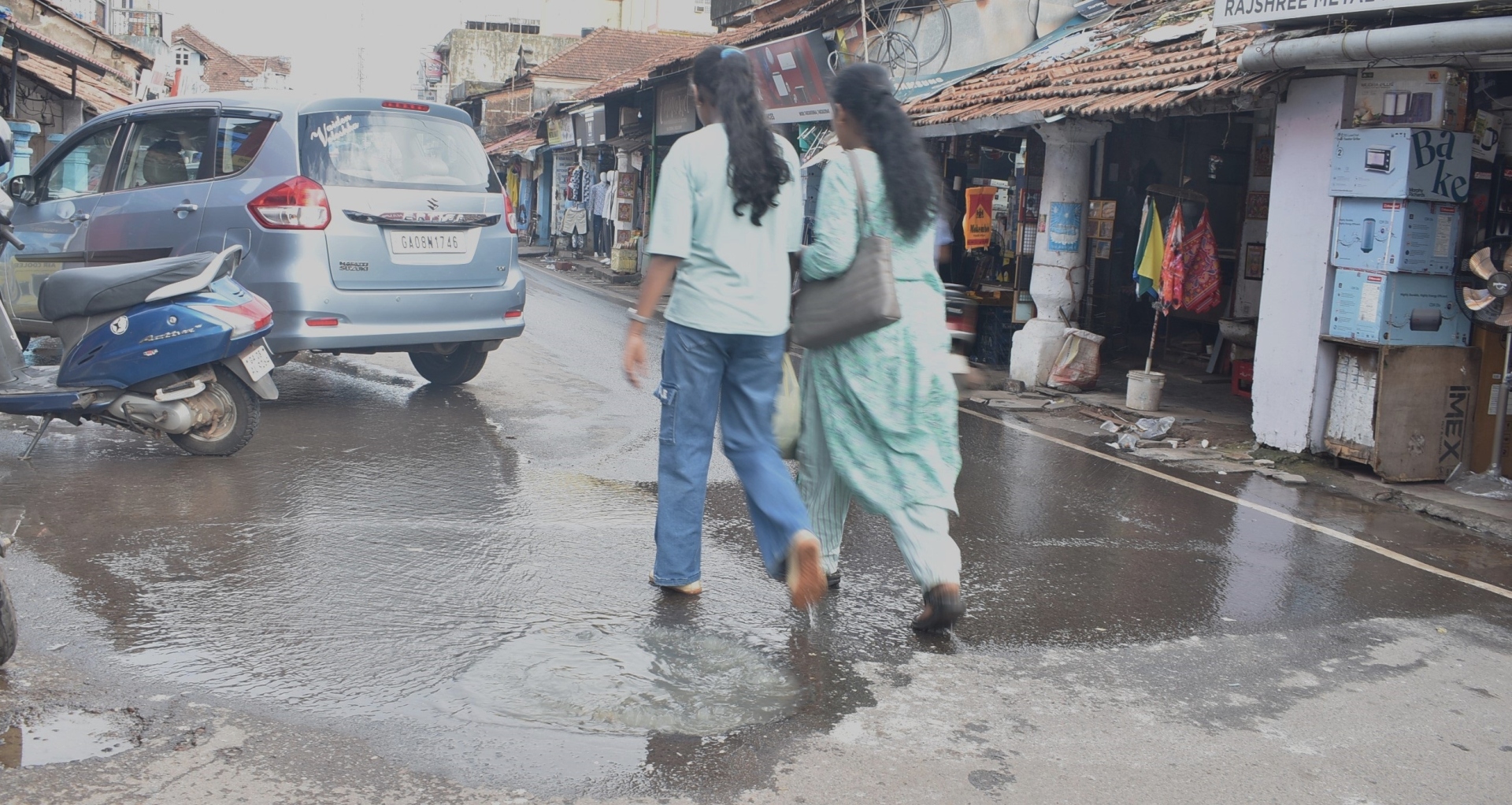
Porvorim Sewage Crisis Triggers Health and Environmental Concerns Across Goa
Faulty sewage treatment infrastructure across Goa has raised alarm in the state assembly, as overflowing waste continues to contaminate agricultural fields, public spaces, and water bodies. Legislators across party lines have flagged multiple failures in the system’s design and upkeep, citing raw sewage in urban and rural areas, pump malfunctions, and poor public awareness. Amid public health concerns and environmental degradation, questions mount over the accountability of civic authorities and the actual impact of ongoing infrastructure investments.
Goa’s Rs 1,500 crore sewerage network, envisioned to modernise sanitation and protect the state’s ecology, now faces intense scrutiny due to widespread dysfunction. Legislators reported raw sewage flowing near hospitals in Margao, and waste backing up into hotels in Colva. Fields in Velim and rivers near schools have also suffered contamination, as pump breakdowns and poor design continue to hamper waste flow. These recurring incidents suggest that several sewage treatment plants (STPs), despite large investments, are either operating sub-optimally or are poorly located, especially in regions with difficult terrain. Public representatives are raising two key concerns: faulty planning and insufficient maintenance. Sewer lines are reportedly choking due to improper waste disposal and lack of pre-monsoon inspections. Experts argue that government agencies must address this with both systemic repairs and citizen outreach.
The absence of routine checks, especially during monsoon season, has turned the system into a public hazard. Moreover, failed designs have allowed waste to mix with drinking water lines, threatening water security. Civic engineers have also been criticised for not adapting layouts to topographical challenges in coastal and low-lying regions. The state government responded by affirming that 14 STPs are currently operational, with new projects underway in Porvorim, Margao, Navelim, and Taleigao. Officials said over 400 workers are deployed to maintain the network and that colour-coded, GPS-tracked sewage tankers are now in use to curb illegal dumping. A digital booking system has also been introduced. However, the opposition argues that new investments cannot justify failure in existing systems, demanding audits and transparent performance data.
They emphasise the urgent need for sustainable infrastructure that can cope with climate variability and urban growth. Goa’s sewage crisis has highlighted a deeper issue — the disconnect between infrastructure development and ground-level functionality. Unless sewerage systems are built for long-term ecological resilience and social equity, even large capital projects will fail to deliver results. Going forward, government agencies must prioritise routine maintenance, strengthen public participation, and redesign flawed systems to safeguard Goa’s health and environment.