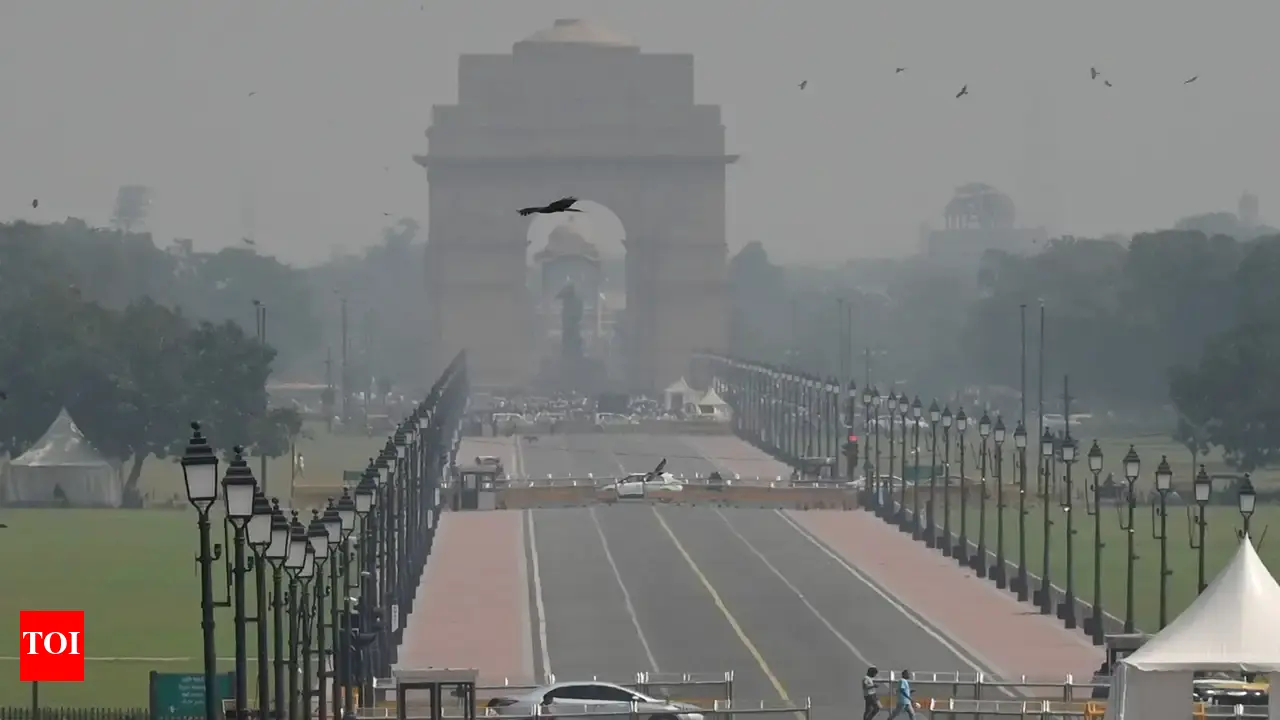
A Greenpeace India report has revealed dangerously high levels of nitrogen dioxide (NO₂) across seven major Indian cities, raising urgent health and environmental alarms.
The cities—Bengaluru, Chennai, Hyderabad, Jaipur, Kolkata, Mumbai, and Pune—are recording annual NO₂ levels that far exceed the World Health Organization’s recommended limits, with significant implications for public health. Often overshadowed by Delhi’s smog, these cities are now under scrutiny for rising concentrations of nitrogen dioxide, a toxic gas produced mainly by fossil fuel combustion in vehicles, power plants, and industries. The report, titled “Beyond North India – Tackling NO₂ pollution and health risks in seven major Indian cities”, is based on national air quality data, satellite observations, and global emission inventories. Pune and Jaipur topped the list, with average NO₂ levels nearing the outdated Indian standard of 40 µg/m³, which is four times higher than the WHO’s recommended 10 µg/m³ annual limit. In Mumbai, 22 of 24 monitoring stations breached this threshold, while Kolkata, Hyderabad, and Chennai showed worsening trends via satellite data.
Health experts warn that children are especially vulnerable. Over 21,000 disability-adjusted life years (DALYs) were lost to NO₂ exposure in 2021. Cities recorded thousands of paediatric asthma cases linked to NO₂, including 3,970 in Mumbai and 3,210 in Kolkata. Monitors near schools further highlight alarming exposure among young students. Despite the gravity of these findings, only 12 of 81 monitors nationwide are located near major roads—where emissions are highest. This underreporting obscures the true scale of pollution in urban hotspots. Greenpeace also flagged gaps in regulation, noting that India’s NO₂ standards have not been revised since 2009. Vehicular emissions were cited as a key culprit. In cities like Jaipur and Hyderabad, road transport contributes up to 25% of NO₂ emissions. Even with Bharat Stage norms, real-world emission levels remain high, as current technologies fail to address urban traffic’s cumulative impact. The report calls for immediate interventions including upgraded national standards aligned with WHO guidelines, expanded roadside monitoring, and investment in clean public transport. Other recommendations include embedding public health within pollution policy, enforcing on-road emission testing, and empowering local governments with funding and training.
Nitrogen dioxide pollution is not just a technological challenge but a test of governance. Without decisive, science-backed action, experts warn these cities will remain locked in a cycle of poor air and poor health.