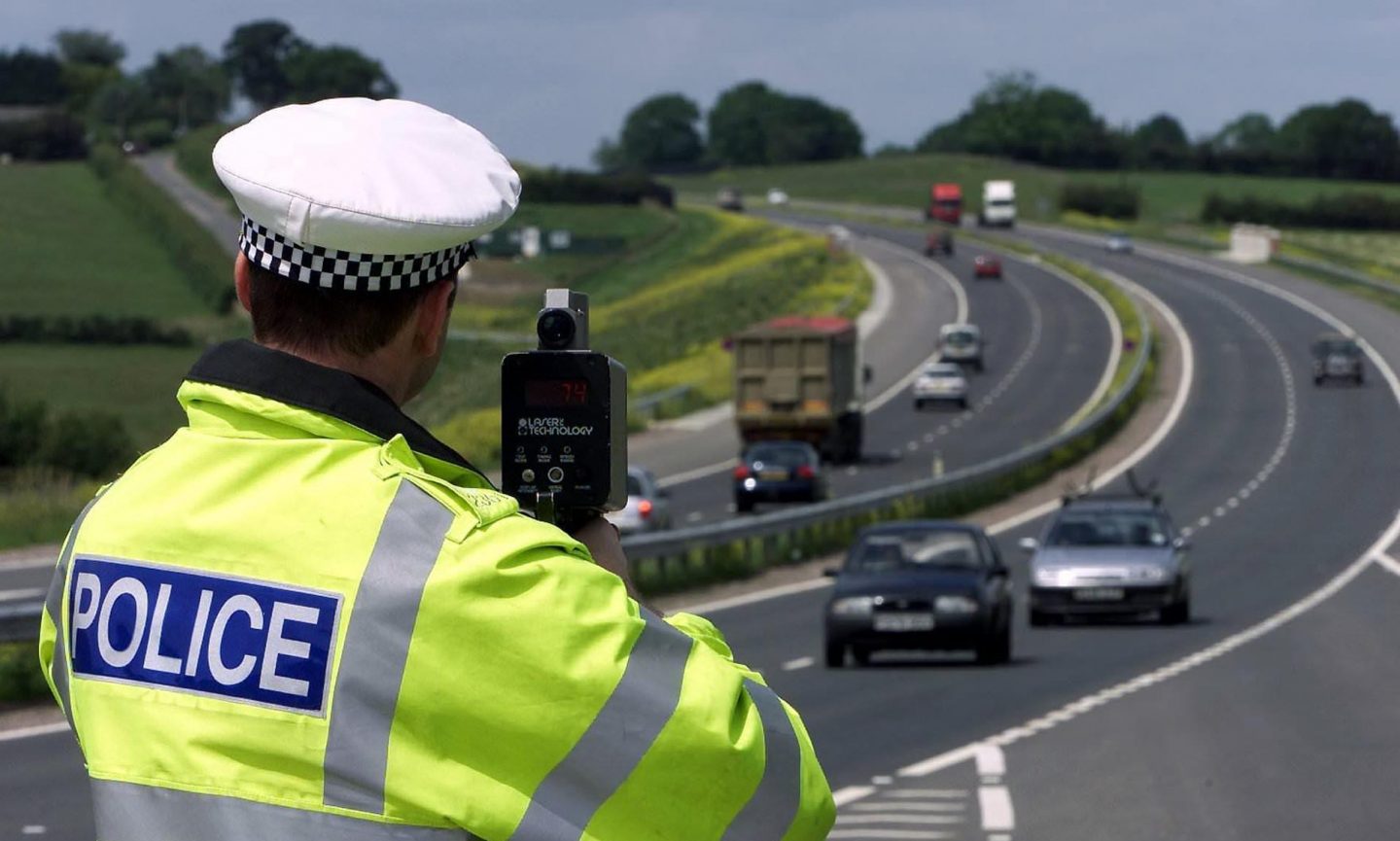
The Maharashtra Highway Police have initiated a technology-driven monitoring mechanism on the Mumbai–Pune Expressway.
Leveraging surveillance footage from closed-circuit television (CCTV) cameras installed at key toll plazas, the authorities are now set to track vehicles violating speed norms by calculating the time taken to travel between designated checkpoints. This system, being introduced as a pilot, focuses on the 50-kilometre stretch between the Urse and Khalapur toll booths. Vehicles traversing this distance in less than 37 minutes will be flagged for breaching the expressway’s speed limits. Based on this data, violators will be issued electronic challans (e-challans) without the need for on-ground traffic stops, marking a shift towards contactless enforcement.
Officials from the traffic division highlighted that the primary motive is to disincentivise high-speed driving, which continues to be the leading cause of fatalities on this high-volume corridor. Despite previous interventions, such as intermittent speed monitoring and patrolling, many drivers continue to exceed prescribed limits, turning the expressway into a hotspot for preventable accidents. This new system integrates data analysis with time-stamped visual surveillance, offering a more precise and scalable approach to enforcement. By comparing timestamps of vehicle appearances at both toll booths, the software automatically identifies those breaching the average speed regulation. The framework not only saves manpower but also eliminates subjectivity in law enforcement, often criticised in physical speed monitoring setups.
Officials from the Highway Safety Directorate affirmed that if this model yields positive results in reducing incidents and increasing compliance, the methodology could soon be expanded to other national highways across Maharashtra and eventually, pan-India. Discussions are reportedly underway to collaborate with technology partners for enhanced automation, integration with vehicle registration databases, and advanced predictive analytics. While overspeeding is often rationalised by commuters as a time-saving necessity, its consequences are profound and, at times, fatal. The Mumbai–Pune Expressway, India’s first six-lane concrete expressway, has consistently ranked among the most accident-prone roadways in the country. A significant percentage of these accidents have involved private vehicles operating above speed thresholds, particularly during off-peak hours.
Road safety experts have welcomed the development, calling it a step in the right direction. They noted that the system aligns with global best practices, where intelligent traffic systems are being adopted for real-time enforcement without compromising human rights or inconveniencing law-abiding citizens. However, some civil society voices have urged the authorities to pair enforcement with awareness. According to urban mobility advocates, policing alone may not be sufficient unless combined with sustained public education on responsible driving and consistent communication about speed limits, signage clarity, and emergency response access.
In the long term, this initiative may also serve broader objectives of sustainable mobility. Reduced accident rates contribute to smoother traffic flows, lesser disruption to emergency services, and lower carbon emissions from congestion. This aligns with the larger vision of creating safer, greener, and more equitable urban transit corridors. The pilot model also opens the door for broader surveillance-led traffic governance, such as detecting lane indiscipline, seat belt violations, and even number plate recognition for unregistered or blacklisted vehicles. If implemented effectively and transparently, this could significantly modernise traffic regulation mechanisms in the state.
While privacy concerns are bound to surface with expanded surveillance, officials clarified that the system operates within a legal framework, and data collection is restricted to traffic-related parameters with no human profiling or behavioural tracking. As India seeks to reduce road fatalities in line with global commitments under the United Nations’ Decade of Action for Road Safety, such proactive use of technology could become a cornerstone of urban infrastructure planning. With millions using the Mumbai–Pune Expressway each year, ensuring safety without hampering efficiency is critical to maintaining public trust and travel confidence.
For now, commuters may want to keep an eye on the clock and their speedometers as the expressway moves towards smarter, stricter, and safer policing.
Police Use CCTV to Curb Speeding on Expressway