


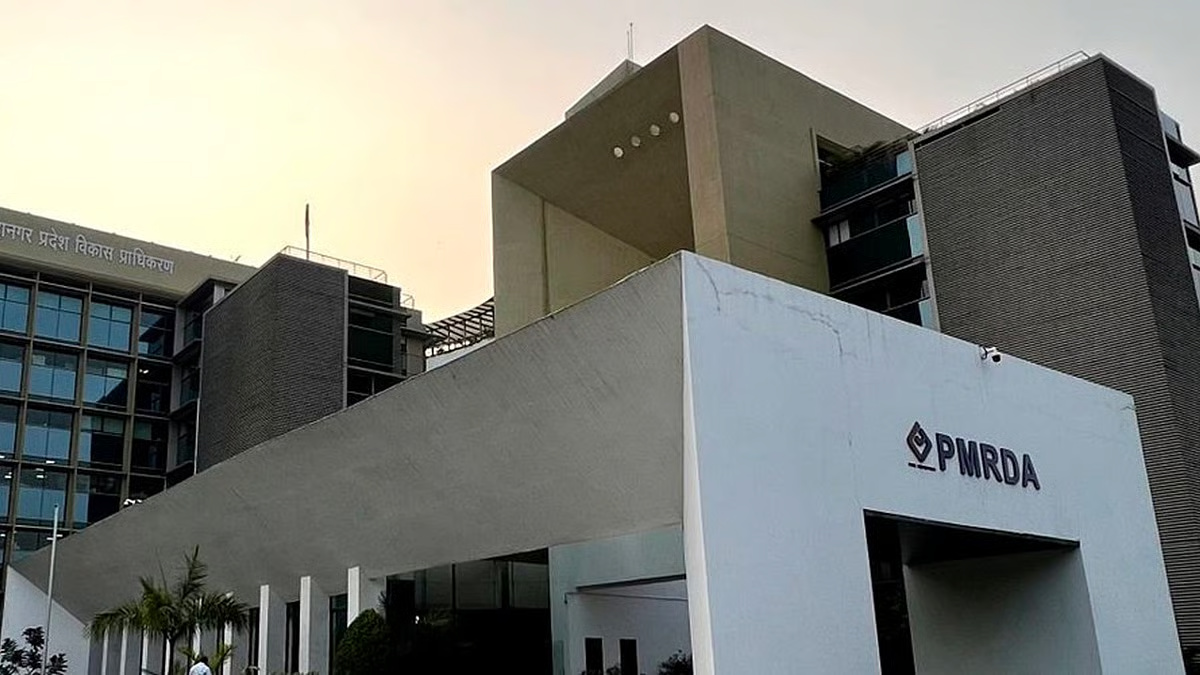
The Pune Metropolitan Region Development Authority (PMRDA) has finalised a ₹2,200-crore plan to overhaul its sewage network and install new sewage treatment plants (STPs) across 162 villages. The initiative aims to address chronic drainage issues, untreated wastewater discharge, and pollution in the Indrayani, Pavana, and Mula-Mutha rivers that flow through the region.
Officials confirmed that the project will be executed in two phases covering 103 clusters identified as “Urban Growth Centres” — areas witnessing rapid urbanisation due to proximity to Pune city and nearby industrial zones. The first phase will target 96 villages in 69 clusters located upstream, while the second phase will include 66 villages in 34 downstream clusters. According to PMRDA engineers, the first phase — estimated at ₹1,200 crore — will focus on Mulshi, Khed, and Maval tehsils, while the second, costing around ₹1,000 crore, will cover Haveli, Shirur, and Daund. Detailed project reports have been completed, and the tendering process will begin once local election restrictions are lifted.
A senior PMRDA official said the initiative was conceived as a long-term urban resilience measure to ensure that future growth does not replicate flooding and waterlogging problems, such as those seen in Hinjewadi earlier this year. “The project is designed to serve the next several decades of population growth. It will ensure all new and existing developments have access to modern sewage infrastructure,” the official said. The comprehensive plan includes laying new underground sewage and drainage pipelines, connecting them to existing or planned treatment plants, and setting up new STPs wherever gaps exist. Land acquisition and Goods and Services Tax (GST) costs have also been factored into the ₹2,200-crore estimate.
Officials said the project will work in tandem with ongoing river rejuvenation efforts for the Indrayani, Pavana, and Mula-Mutha. The treated water from the new STPs is expected to be reused for non-potable purposes such as irrigation, landscaping, and industrial operations, aligning with Pune’s sustainability goals. Urban planners welcomed the move, noting that integrating wastewater management with river conservation represents a more holistic approach to urban infrastructure planning. “Decentralised STPs and robust sewage networks are essential for sustainable expansion of peri-urban areas,” an expert said, adding that the project could also serve as a model for other growing metropolitan regions.
Once implemented, the project is expected to strengthen the environmental health of Pune’s river systems while supporting equitable and planned urbanisation across its extended region.
Also Read: MSIDC To Redevelop Nagpur Cotton And Flower Markets With Modern Sustainable Facilities
