


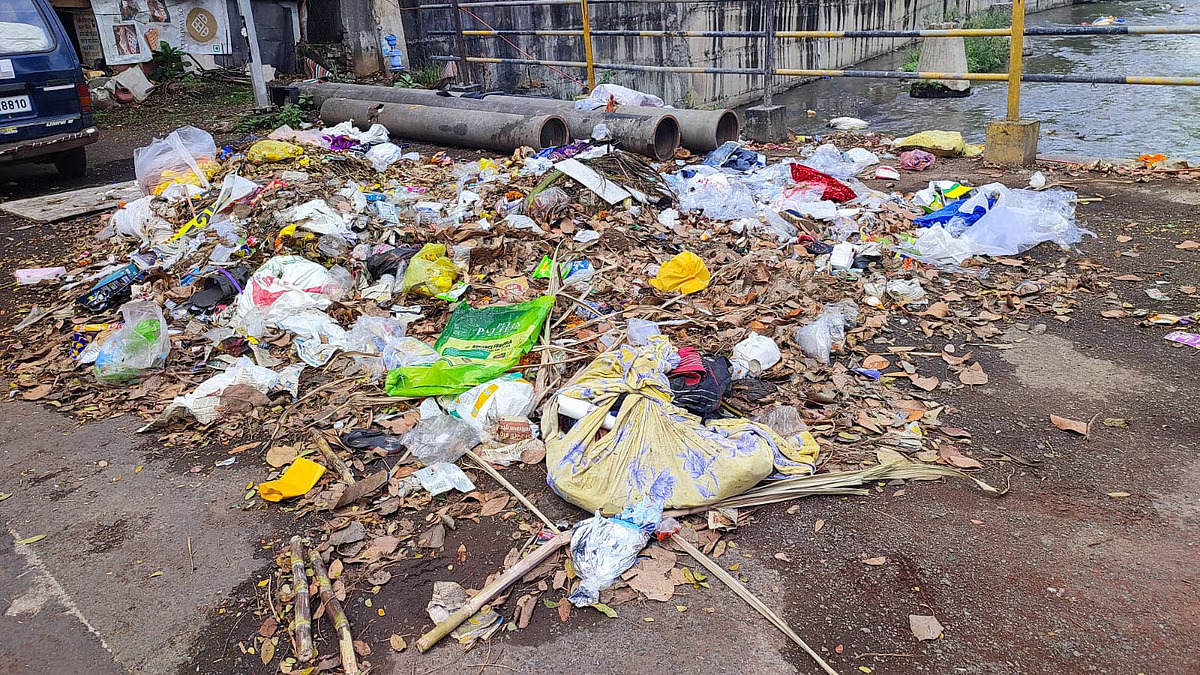
As the five-day Diwali festival concluded across Maharashtra, civic authorities in Pune and Pimpri-Chinchwad reported an extraordinary surge in waste generation, with more than 22,000 tonnes of garbage collected in just one week. The figures reflect both the festive exuberance of residents and the mounting challenge of maintaining urban hygiene in fast-growing metropolitan regions.
Officials from the Pune Municipal Corporation (PMC) confirmed that 13,051 tonnes of garbage were collected from within city limits, while the Pimpri-Chinchwad Municipal Corporation (PCMC) gathered 9,095 tonnes. The civic bodies had mobilised additional sanitation workers and intensified collection rounds to prevent accumulation of waste on roads or at public spots during the festive period. According to officials from the solid waste management departments of both corporations, the rise in garbage was mainly attributed to increased consumption, packaging waste, food leftovers, and remnants of firecrackers. On an ordinary day, Pune generates around 2,000 tonnes of waste, and Pimpri-Chinchwad about 1,000 tonnes. During the Diwali week, both cities recorded a 15 to 20 per cent rise in garbage collection, underscoring the environmental footprint of urban festivities.
While Diwali is a festival that brings communities together through lights, sweets, and celebration, its environmental after-effects are increasingly being scrutinised. In both Pune and Pimpri-Chinchwad, the majority of the collected waste was dry — including discarded packaging, decorations, and firecracker debris — with smaller volumes of biodegradable and hazardous waste. Officials noted that firecracker remnants not only increase waste volumes but also release toxic pollutants, adding to air and soil contamination. To manage the festive surge effectively, both PMC and PCMC had deployed extra workforce on night shifts and extended waste transport operations to landfill and recycling facilities. Officials stated that each sanitation division was given specific responsibilities to ensure that no garbage remained uncollected across neighbourhoods. These preventive steps ensured that the cities remained largely clean through the festive week, despite the spike in daily waste generation.
Urban planners and environmental experts have repeatedly highlighted the need for long-term behavioural change and waste segregation at the household level. They stress that sustainable celebrations — through reduced packaging, eco-friendly decorations, and community firework zones — could significantly cut down on waste load during festivals like Diwali. The large-scale clean-up by PMC and PCMC has once again underlined the critical role of urban sanitation teams in ensuring civic order and environmental balance. However, as both Pune and Pimpri-Chinchwad continue to expand rapidly, experts suggest that technological interventions, improved recycling systems, and citizen awareness will be essential to manage the increasing urban waste footprint sustainably.
Also Read : Mumbai Metro Aqua Line Network Failure Turns Into Commuters’ Digital Detox Trend
