


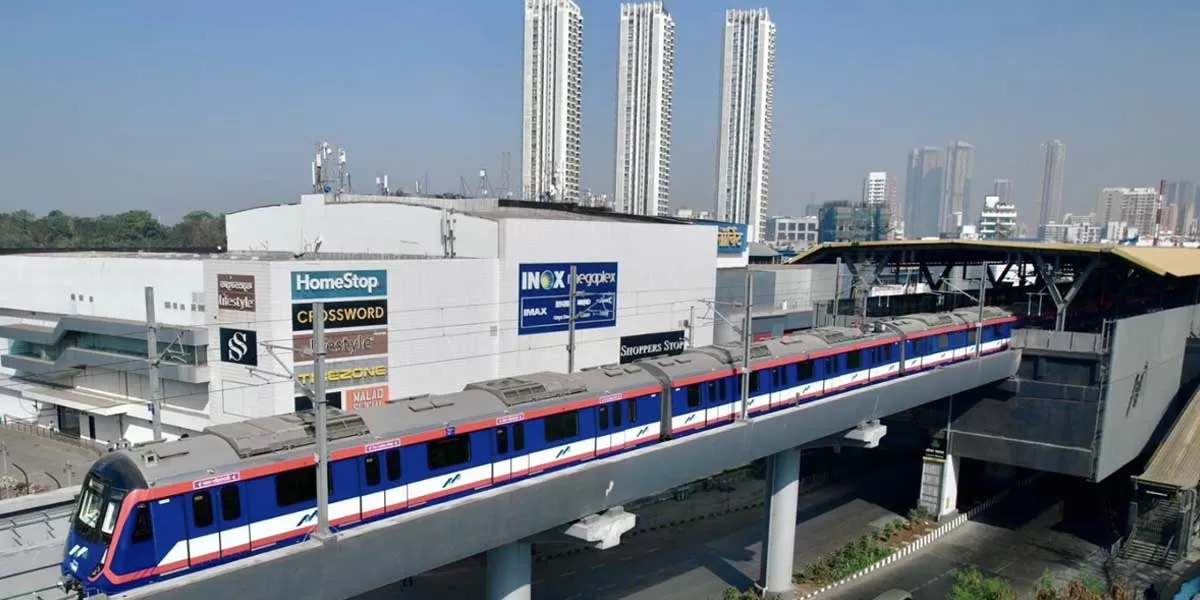
The Prime Minister is expected to inaugurate the priority corridor of the Patna Metro Rail in September, signalling a major step towards enhancing urban mobility in Bihar’s capital. Officials from the Patna Metro Rail Corporation (PMRC) have confirmed that trial runs on the first stretch of the Blue Line are scheduled to commence in the first week of September, paving the way for the formal launch shortly thereafter. The project, part of India’s wider push for sustainable urban transport, is designed to offer commuters a faster, safer, and eco-friendly travel alternative.
The 14.45-kilometre Blue Line, being developed in two phases, will initially cover a 6.49-kilometre elevated corridor with five key stations: Malahi Pakri, Khemnichak, Bhoothnath, Zero Mile, and New ISBT. Three modern metro coaches, manufactured in Pune, have already arrived in Patna, and preparations are underway to begin limited services between the stations. Officials have indicated that construction work at three of the stations is expected to be completed by mid-September, ensuring readiness for trial operations. To ensure smooth operations, the electricity supply to the metro depot at Bairiya is being connected to the state grid, which will facilitate phased trial runs and allow technical teams to calibrate trains, signalling, and station systems efficiently. “The finishing work on the coaches has been completed, and safety checks are underway to ensure operational readiness,” an official from the Patna Metro Rail Corporation said.
State leadership has been actively monitoring progress, with recent inspections of the metro depot and the under-construction Zero Mile station highlighting the urgency of expediting work. Originally scheduled for an August 15 inauguration, the launch was postponed due to minor delays in completing station and track infrastructure. The formal launch will follow successful trial runs, contingent upon approval from the Prime Minister’s Office. Once operational, the Patna Metro is expected to significantly reduce travel time for commuters while alleviating congestion on city roads. The project reflects India’s growing commitment to sustainable urban transport, reducing carbon emissions by encouraging the use of electric rail transit over private vehicles. Experts suggest that the metro will not only improve commuter convenience but also catalyse economic activity along its corridors, stimulating investment, real estate growth, and local commerce.
The Patna Metro project exemplifies how urban transport infrastructure can be leveraged to create equitable, environmentally responsible cities. Officials have stressed that safety, accessibility, and reliability will be the core focus, ensuring that services are inclusive for women, senior citizens, and persons with disabilities. The project is also being aligned with broader smart city initiatives to integrate seamless mobility solutions for Patna’s residents. As the city prepares for the inauguration, expectations remain high that the metro will offer a transformative travel experience while reinforcing the government’s agenda of sustainable, green, and technologically advanced urban development. Citizens and commuters alike are looking forward to a more connected, efficient, and eco-conscious urban transport network, with the Blue Line set to become a backbone of Patna’s mobility infrastructure.
Also Read : Delhi Metro Increases Ticket Prices After Eight Years, From Rs 10 To Maximum Rs 60
