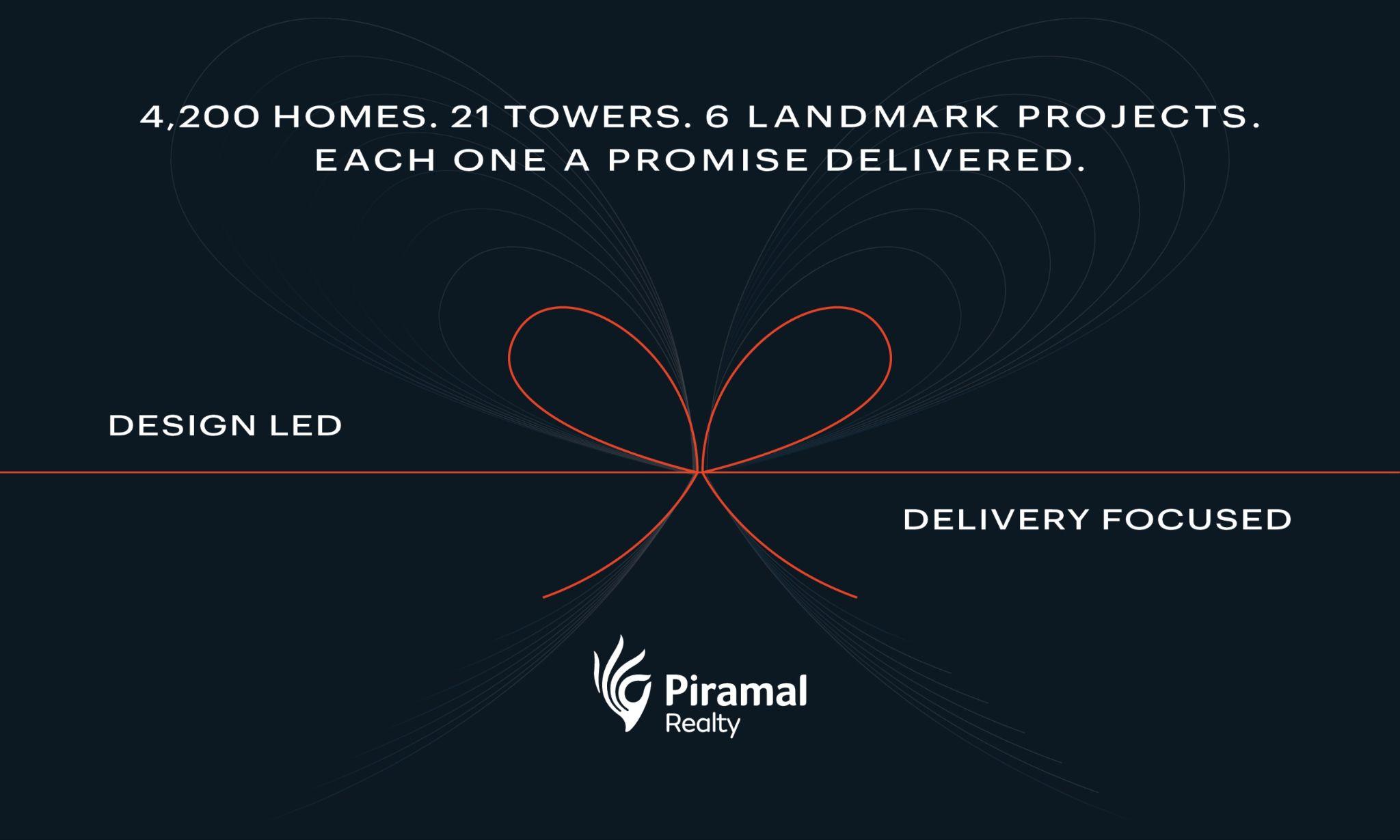
A major Mumbai-based real estate developer has rolled out a new corporate positioning that places delivered housing, rather than future promises, at the centre of its brand narrative. The move comes amid growing scrutiny of execution timelines, liveability standards and long-term trust in India’s urban housing markets, particularly in high-density cities like Mumbai.
The campaign signals a strategic recalibration in how premium residential developers communicate value. Instead of foregrounding visual concepts or upcoming launches, the emphasis is on completed buildings that are already occupied and functioning as planned. Industry analysts see this as a response to a maturing homebuyer base that increasingly prioritises delivery track record over aspirational imagery. Urban planners point out that in land-constrained metros, the quality of design must be measured by how spaces perform once inhabited. Efficient layouts, access to light and ventilation, integration with open spaces and community infrastructure are now seen as critical indicators of good design—far more than surface-level aesthetics. By anchoring its messaging in delivered developments, the developer is aligning its brand identity with this evolving definition of value.
Over the past two years, the company has completed thousands of residential units across multiple high-rise towers in central and suburban Mumbai, along with mixed-use commercial and institutional assets. These projects span redevelopment precincts, transit-linked corridors and green-edge locations, reflecting the city’s shifting growth patterns. Urban development experts note that timely delivery at this scale requires disciplined project management, regulatory coordination and financial resilience—areas where several developers have historically struggled. The campaign’s visual language deliberately references occupied neighbourhoods rather than construction sites. This approach resonates in a market where delayed handovers have long undermined buyer confidence. Housing advocates argue that such positioning could help raise industry benchmarks, encouraging developers to compete on reliability and long-term performance rather than just launch velocity.
From a sustainability lens, the focus on delivered outcomes also allows greater scrutiny of operational efficiency. Energy performance, water management, maintenance systems and public realm design only become measurable once residents move in. Climate resilience specialists say this shift could push developers to internalise lifecycle thinking, designing buildings that remain functional and efficient over decades rather than just at handover. The broader implication for Mumbai’s real estate sector is significant. As redevelopment accelerates and infrastructure investments reshape neighbourhoods, developers who can consistently translate plans into lived environments may gain a structural advantage. The campaign reflects an understanding that in a city grappling with affordability, congestion and climate risk, credibility is built incrementally—one completed building at a time.
Looking ahead, urban policy observers suggest that such narratives, if backed by consistent performance, could influence buyer expectations across income segments. In a market saturated with future-focused claims, the ability to point to what already stands may become a defining differentiator in Mumbai’s next phase of real estate growth.
Piramal Realty Repositions Brand Around Delivered Design