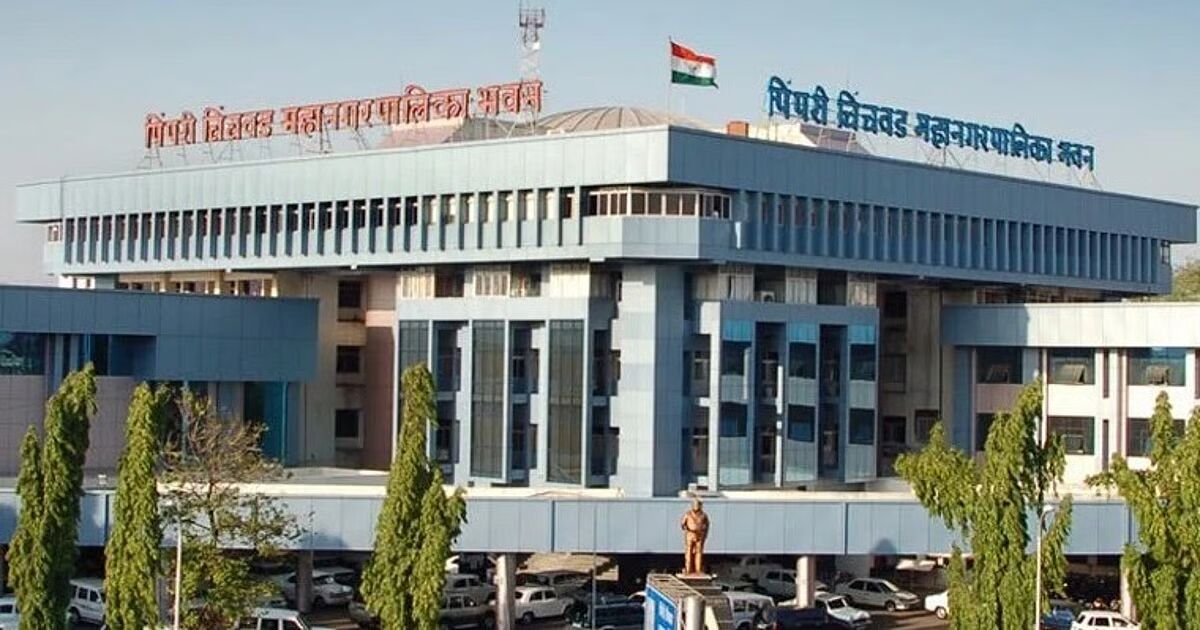
Pimpri-Chinchwad, Maharashtra — The Pimpri-Chinchwad Municipal Corporation (PCMC) has presented its annual budget for the 2026-27 fiscal year, outlining a ₹9,322.17 crore financial plan that prioritises infrastructure completion, health services, public transport and social welfare over new projects.
Civic planners characterise this year’s budget as a stabilisation and delivery-focused roadmap that emphasises resilient and equitable urban growth amid constrained revenues and ongoing liabilities. Municipal Commissioner Shravan Hardikar presented the budget to the newly elected Standing Committee chairman, recording a reduction of about ₹353 crore from last year’s allocation, a reflection of the city’s slower-than-anticipated revenue growth. The downturn in core receipts such as property tax, development fees and state grants has led to a cautious fiscal stance, with a decision to avoid introducing new major projects this cycle. At its core, the PCMC budget reinforces commitments to ongoing infrastructure works, including road and bridge construction, water supply augmentation and solid waste management upgrades.
Funds have been earmarked for essential civic tasks such as river rejuvenation initiatives along the Mula and Indrayani, drainage master plans, and expansion of healthcare facilities including the planned Moshi hospital and a proposed cancer care centre in Thergaon. Allocations also signal a strong push on sustainable and people-centric services. Water supply capital works have been appropriated, and a ₹400 crore outlay has been set aside for Pune Mahanagar Parivahan Mahamandal Limited (PMPML) to enhance public transport capacity through additional buses and network support. These investments speak directly to climate-resilience and inclusive mobility goals, especially in a fast-growing urban region where congestion and environmental sustainability remain persistent challenges. PCMC officials highlight that social welfare components are substantial, with nearly ₹1,953 crore allocated to housing schemes for the urban poor, ₹99 crore for women’s empowerment initiatives and ₹68.3 crore for disability-focused programmes. A gender budget and funds for Smart City projects under AMRUT 2.0 further reinforce a commitment to equitable service delivery and community-oriented urban planning.
One notable feature of this budget is the integration of public feedback. Nearly 5,000 citizen suggestions were received during consultation, almost double last year’s figure, of which 297 suggestions have been incorporated into the final plan — a mark of growing participatory governance in local financial planning. However, the emphasis on completing existing works rather than launching new large-scale projects underscores the financial prudence driving this budget cycle. Civic sources note that the scale back is partly due to restrained own-source revenue growth, even as fixed deposits and reserve funds provide some fiscal cushion.
Urban development experts say that while this approach may delay newer initiatives, it strengthens the city’s ability to deliver on long-standing commitments — from improved transport infrastructure to cleaner waterways and upgraded health facilities. For a rapidly urbanising hub like Pimpri-Chinchwad, maintaining delivery momentum while preserving fiscal stability is key to ensuring robust, inclusive growth in the medium term.