


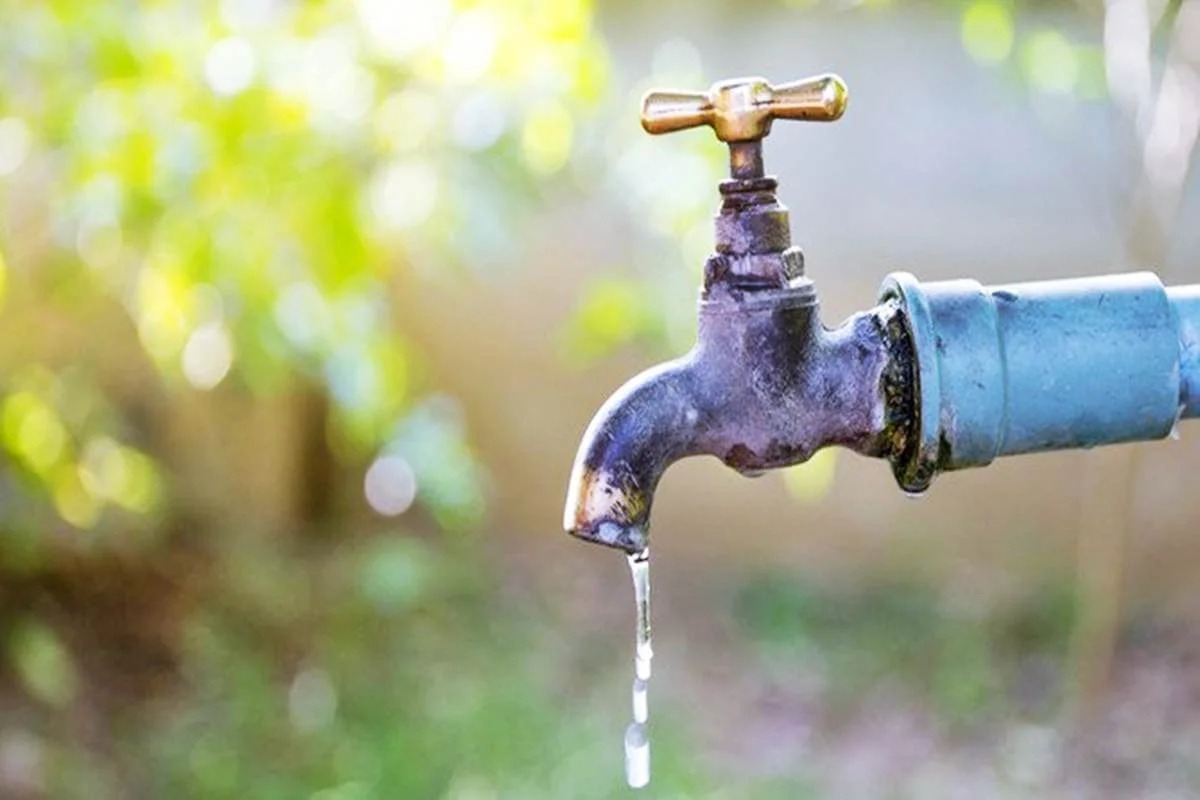
The Pimpri-Chinchwad Municipal Corporation (PCMC) has announced that water supply to 184 housing societies will be discontinued from June 1, 2025.
This action targets societies that have failed to operate their mandated Sewage Treatment Plants (STPs), despite multiple notices and appeals from the civic body. The enforcement aims to uphold the Unified Development Control and Promotion Regulations (UDCPR) of Maharashtra, which require large residential complexes to treat and reuse wastewater. According to PCMC officials, out of 456 major housing societies in the city, only 264 have functional STPs. The remaining 184 societies have not complied with the regulations, leading to the decision to cut off their water supply. The UDCPR mandates that residential complexes exceeding 20,000 square meters or consuming over 20,000 liters of water daily must install and operate STPs. The treated water is intended for non-potable uses such as gardening and cleaning, thereby conserving potable water resources.
The civic body’s decision comes amid growing concerns over water scarcity and environmental sustainability in the rapidly urbanizing region. PCMC supplies approximately 620–630 million liters of water daily to meet the city’s demands. However, the increasing population and urban expansion have strained the existing water infrastructure. The non-compliance of housing societies with wastewater treatment regulations exacerbates this issue, leading to the civic body’s stringent enforcement measures. Residents of the affected societies have expressed concerns over the impending water cut-off. Some cite high maintenance costs and inadequate support from builders in setting up functional STPs as challenges. Despite these concerns, PCMC officials emphasize the importance of adhering to environmental regulations to ensure sustainable urban development.
The enforcement of STP operations is not only a regulatory requirement but also a critical component of the city’s strategy to manage its water resources effectively. By ensuring that housing societies treat and reuse wastewater, PCMC aims to reduce the burden on the city’s water supply and promote environmental sustainability. This move by PCMC underscores the importance of compliance with environmental regulations in urban planning and development. As cities continue to grow, the integration of sustainable practices such as wastewater treatment becomes essential to ensure the well-being of residents and the environment.
Also Read :Ahmedabad Delays Drainage Work Amid Monsoon
