Pimpri Chinchwad Residents Hit Hard As Roads Deteriorate During Monsoon Rains
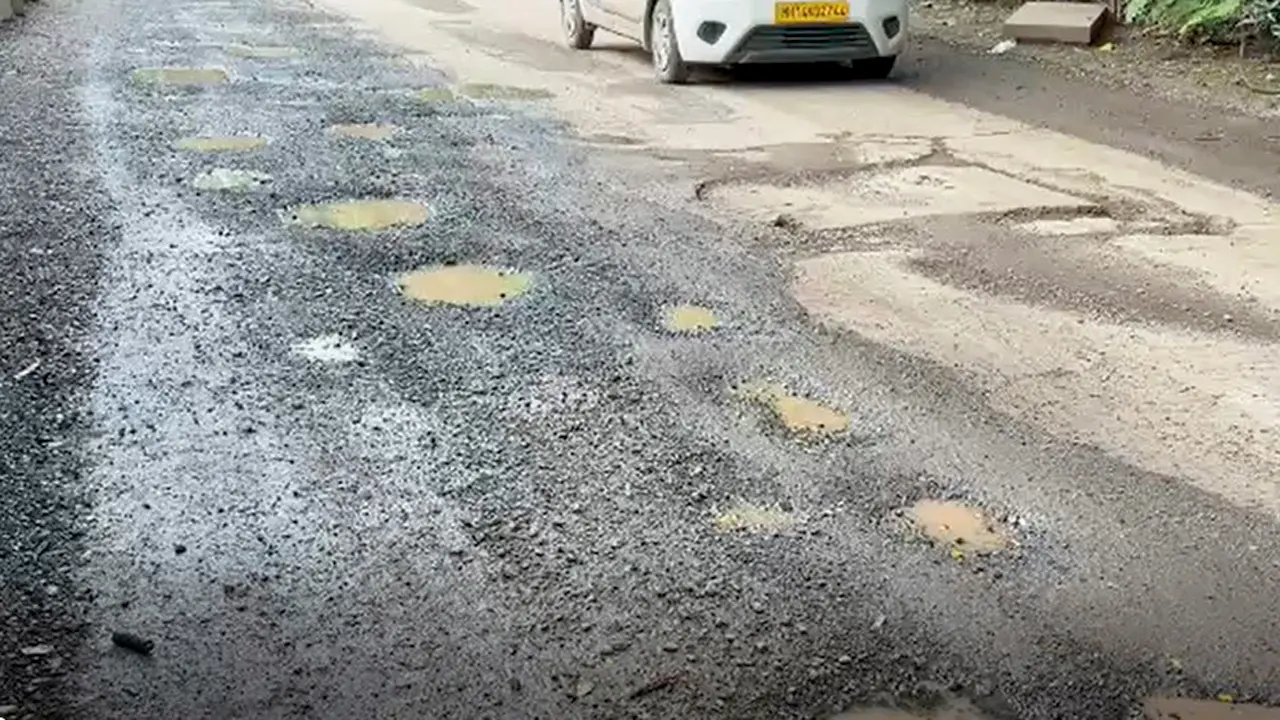
In Pimpri Chinchwad, residents are increasingly alarmed as monsoon rain exposes the dismal state of road infrastructure across several zones. Despite significant civic spending, key stretches in areas like Nigdi, Punawale and Tathawade are riddled with potholes and trenches, endangering commuters. Water-filled craters have become invisible hazards, leading to vehicle damage and injury risks. The slow pace of response from the local body has intensified public frustration, as residents demand transparency, timely action, and better quality assurance in civic works.
As torrential rains continue to lash Pimpri Chinchwad, residents across the industrial and residential belts are facing mounting risks on poorly maintained roads. From major arterial routes to internal stretches in rapidly growing suburbs like Punawale, Nigdi, Chikhali, and Tathawade, pothole-ridden surfaces and sunken patches have become a recurring hazard. Commuters, housing society federations, and civic groups are voicing concern about the deteriorating condition of road infrastructure—especially as monsoon waters obscure these defects, making navigation treacherous and increasing the likelihood of accidents. Even after consistent complaints and follow-ups from local federations and road safety advocates, the civic body’s action has been sluggish.
Officials from the Pimpri Chinchwad Municipal Corporation (PCMC) claim that repair works are underway but admit that rainfall is slowing operations in key trouble zones. However, this explanation has failed to reassure many residents, who question the accountability of the contractors and oversight mechanisms within the civic system. They point out that roads often disintegrate within weeks of resurfacing, highlighting systemic flaws in both construction quality and contract governance. Infrastructure experts argue that the recurring nature of this crisis reflects deeper lapses in tendering practices and auditing of roadworks. Despite crores allocated annually for maintenance, a lack of transparency and on-ground quality checks continue to undermine the city’s resilience, especially in the face of seasonal stress. The situation is particularly concerning near national highway stretches like the Mumbai–Bengaluru corridor, where even high-speed links show signs of neglect.
Urban planners emphasise the urgency of addressing these infrastructure gaps, especially as Pimpri Chinchwad continues to urbanise rapidly. With safety and mobility at stake, residents are now calling for a robust monitoring framework, stricter accountability for contractors, and better waterproofing standards in road engineering. Whether civic authorities will respond with urgency remains uncertain, but public patience is rapidly thinning.