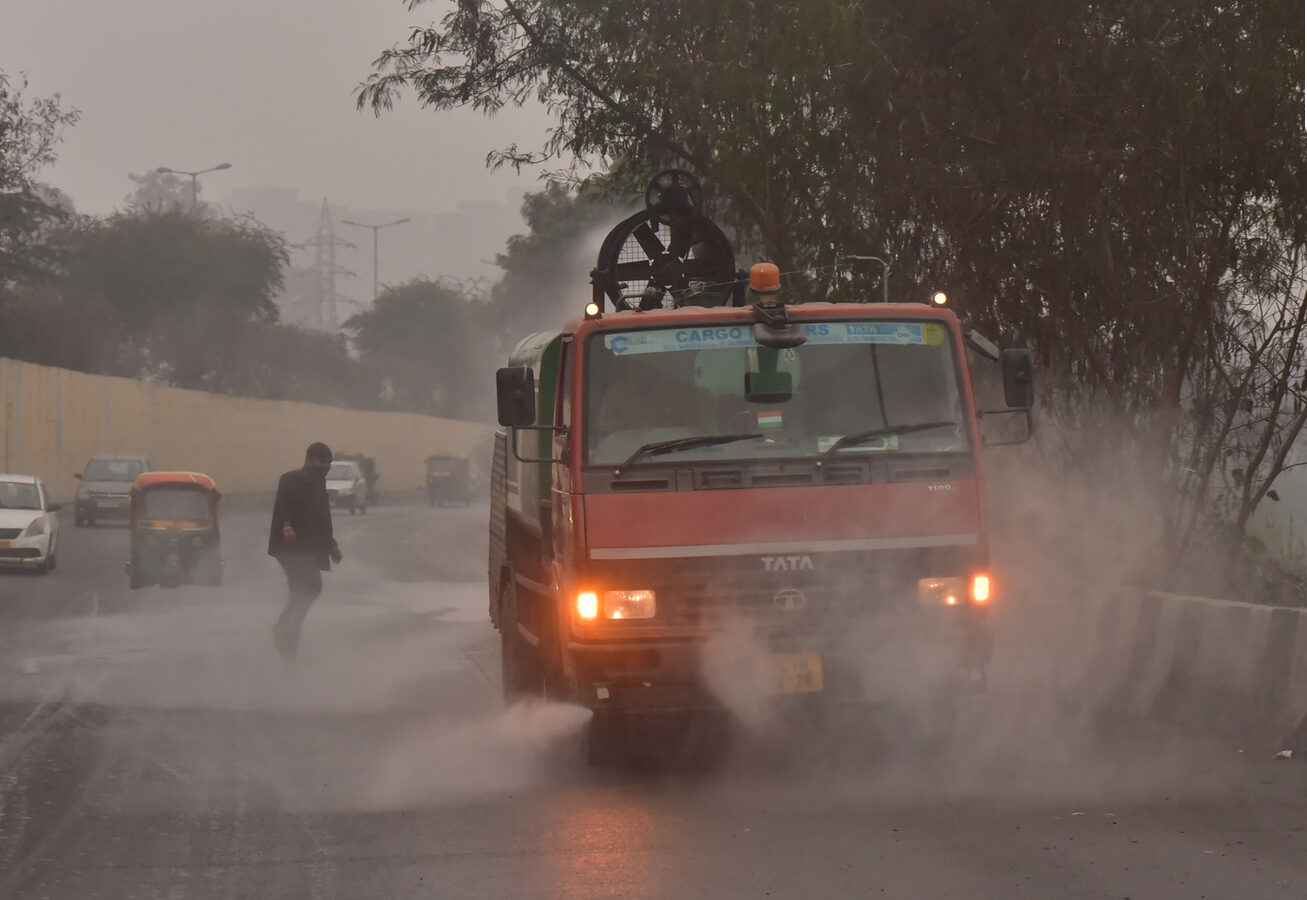
An overwhelming majority of motorists in Pune and Pimpri-Chinchwad indicate they are prepared to move away from older, high-emission vehicles if policy measures make such vehicles less viable, according to a recent mobility perception survey conducted across both cities. The findings arrive at a crucial moment as local authorities weigh regulatory tools to curb vehicular pollution and accelerate the region’s cleaner vehicle transition.
The study, based on responses from 2,000 two-wheeler and car users across 20 urban locations, found that more than 96 per cent would consider shifting to a lower-emission or zero-emission vehicle if restrictions were imposed on highly polluting models. Electric vehicles and Bharat Stage VI-compliant vehicles emerged as preferred alternatives. The results suggest that public resistance to environmental regulation may be lower than often assumed. Urban transport specialists note that the cleaner vehicle transition is no longer viewed solely as an environmental mandate but increasingly as a health and cost-of-living issue. Over four-fifths of respondents described air pollution as a serious concern, while a significant proportion reported health symptoms they associate with poor air quality.
Vehicular emissions remain a major contributor to particulate pollution in the Pune metropolitan region. Previous technical assessments indicate that a large share of internal combustion vehicles operating in both Pune and Pimpri-Chinchwad fall under older emission standards. Bharat Stage VI diesel vehicles, by comparison, emit substantially lower fine particulate matter than BS-IV equivalents. Interestingly, the survey tested an alternative to outright restrictions by presenting respondents with a daily pollution charge for continuing to operate high-emission vehicles. Only a small minority said they would pay such a levy. Policy analysts interpret this as a signal that pricing mechanisms, combined with regulatory measures, could influence behavioural change without requiring blanket prohibitions.
Around a quarter of participants also identified public transport, walking, or cycling as among their top fallback options. This is significant for urban planners who argue that the cleaner vehicle transition must be supported by robust metro connectivity, reliable bus services, and safe non-motorised corridors. Pune’s expanding metro network and ongoing investments in electric buses could benefit from such latent demand if service quality improves. Transport economists caution that affordability remains central. Two-wheelers are often the primary mode of mobility for informal workers and small businesses. Incentives, scrappage benefits, and access to low-interest financing will be critical to ensure that environmental gains do not widen economic divides.
As Maharashtra advances its electric mobility roadmap, the findings provide a data-backed glimpse into citizen sentiment. For policymakers, the challenge now lies in sequencing regulation, pricing, and infrastructure expansion in a manner that sustains economic activity while advancing the cleaner vehicle transition. The coming policy decisions may shape not only air quality outcomes but also the region’s broader urban growth model.
Pimpri Chinchwad Backs Cleaner Vehicle Transition