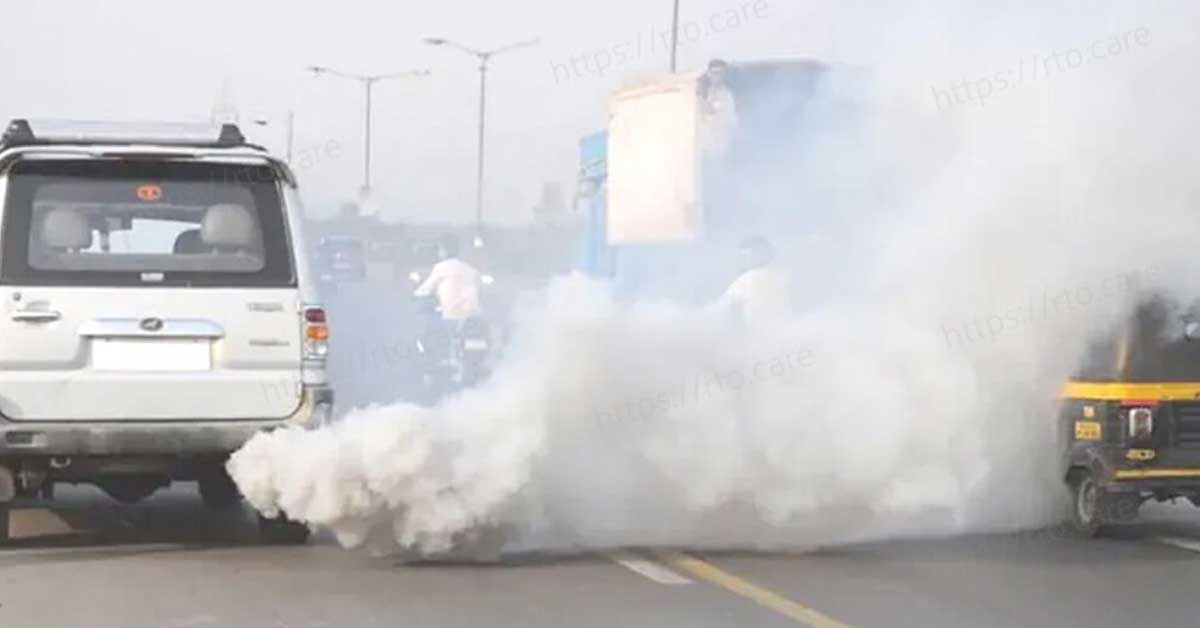
Air quality levels in Pimpri-Chinchwad have deteriorated sharply in recent months, raising concerns about public health and the long-term sustainability of one of Maharashtra’s fastest-growing industrial cities. With air quality frequently slipping into the ‘poor’ category, the trend underscores the mounting environmental cost of rapid urbanisation and infrastructure expansion.
The rise in Pimpri Chinchwad air pollution is being linked to a combination of factors, including extensive construction activity, rising vehicular traffic, industrial emissions, and recurring road excavation works. These pressures have intensified dust levels across key urban corridors, exposing commuters, pedestrians, and informal workers to prolonged periods of polluted air.
Data reviewed from local monitoring trends shows that clean air days have become increasingly rare, with a majority of days in the first quarter recording air quality index (AQI) levels above safe limits. Urban environment specialists note that sustained exposure to such conditions can significantly increase the risk of respiratory and cardiovascular illnesses, particularly among children, the elderly, and those with pre-existing conditions.
Healthcare patterns appear to reflect this shift. Municipal health records indicate a steady rise in respiratory ailments over the past few years, suggesting a direct correlation between declining air quality and disease burden. Medical practitioners report that seasonal patterns of respiratory illnesses are becoming less predictable, with cases now extending beyond traditional winter peaks into warmer months. The Pimpri Chinchwad air pollution challenge is also closely tied to mobility trends. A sharp increase in private vehicle usage, combined with gaps in reliable and efficient public transport, has contributed to higher emissions. Urban planners argue that without a stronger shift towards mass transit systems and non-motorised mobility, pollution levels are likely to remain elevated.
Equally concerning is the loss of green cover and open spaces, which historically acted as natural buffers against pollution. Ongoing construction and land-use changes have reduced the city’s ecological resilience, while also contributing to rising surface temperatures. This urban heat effect, combined with air pollution, is altering local climate patterns and increasing discomfort for residents. Experts emphasise that piecemeal interventions—such as periodic dust control measures—are unlikely to deliver sustained improvements. Instead, a coordinated strategy is needed, integrating land-use planning, transport policy, emissions control, and urban forestry. Strengthening monitoring systems and ensuring transparent public access to air quality data are also seen as critical steps.
From an economic standpoint, deteriorating air quality can have broader implications for productivity, healthcare costs, and the city’s attractiveness as an investment destination. As Pimpri-Chinchwad continues to position itself as a key industrial and residential hub within the Pune metropolitan region, environmental performance will increasingly influence its growth trajectory. Addressing the Pimpri Chinchwad air pollution issue will require sustained policy focus and institutional coordination. For a city at the forefront of Maharashtra’s urban expansion, balancing economic growth with environmental health is no longer optional—it is central to ensuring a liveable and resilient future.
Pimpri Chinchwad Air Pollution Strains Urban Health Systems