


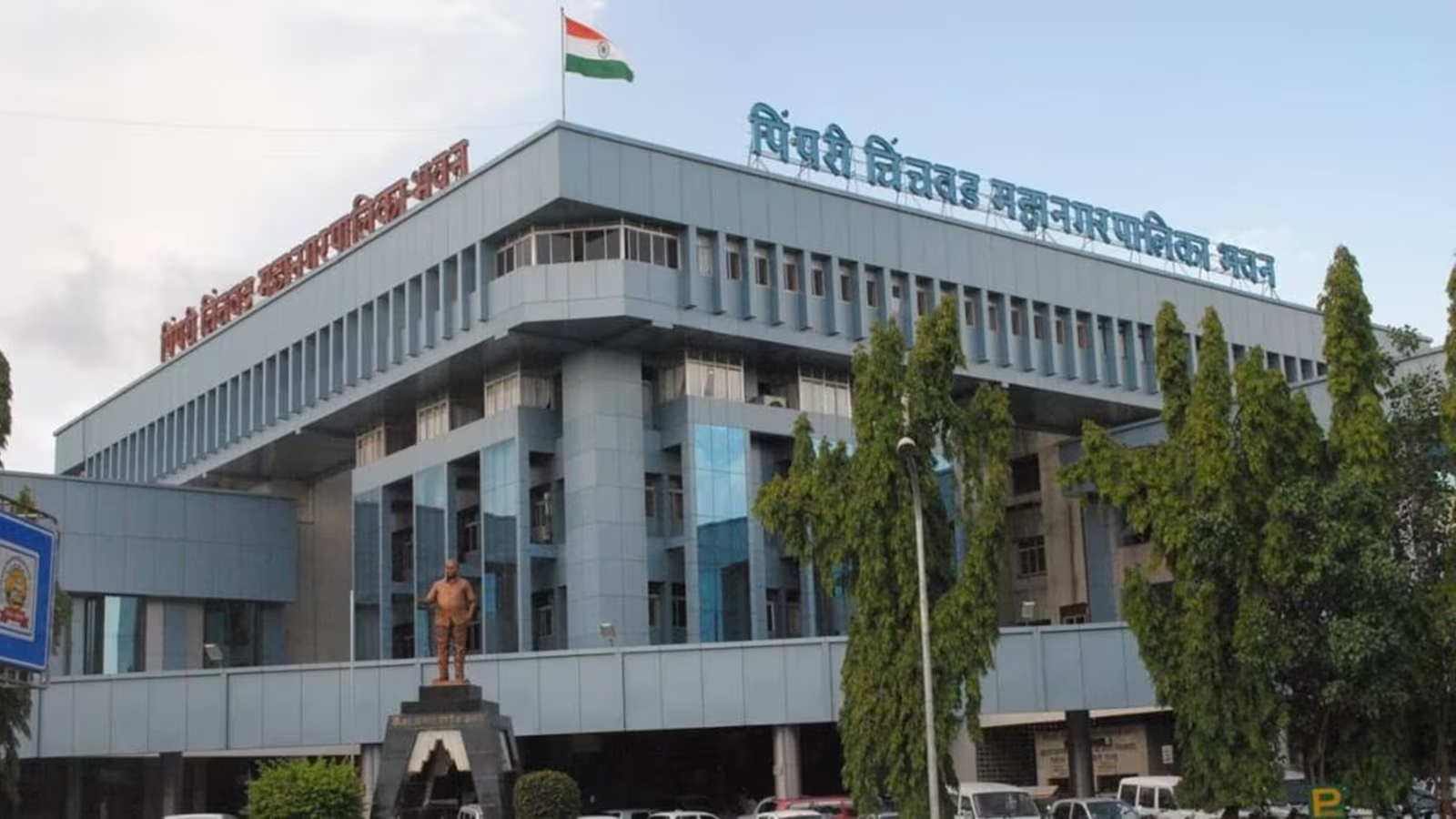
PCMC Takes Action on Construction Pollution Violations
In an escalating battle against rising pollution levels, the Pimpri Chinchwad Municipal Corporation (PCMC) has taken a firm stance against construction companies failing to adhere to pollution control regulations. Over the past six weeks, the civic body has issued notices to 221 construction sites across the twin cities for violating environmental norms. As part of this crackdown, fines amounting to Rs 31.4 lakh have been levied on non-compliant construction firms. The penalties are part of PCMC’s ongoing enforcement drive, which was intensified after the implementation of the Graded Response Action Plan (GRAP) aimed at curbing the pollution crisis that has gripped the region.
PCMC’s actions come amid growing concern over air quality in the area, with certain pockets of Pimpri Chinchwad reporting alarming air quality index (AQI) levels ranging between 150 and 200. These levels are well above the acceptable thresholds set by environmental agencies, prompting officials to intensify their efforts. The rapid urbanisation of areas such as Punawale, Tathawade, Moshi, and Chikhali is being blamed for the deteriorating air quality, which has had serious repercussions for residents’ health and overall quality of life. With construction activities one of the key contributors to dust and particulate matter in the air, the PMC has stepped up inspections and penalty imposition.
Construction firms have long been expected to adhere to guidelines set by the Central Pollution Control Board (CPCB) to mitigate dust emissions and reduce environmental impact. However, according to senior PCMC officials, the reality on the ground has been far from satisfactory. Common violations observed during inspections include the absence of basic dust suppression measures like green nets, inadequate washing of vehicle tyres, and failure to restrict dust emissions from ongoing construction work. In response, the municipal body has issued fines and served stop-work notices to two firms that repeatedly failed to comply with the environmental regulations, despite prior warnings.
While the fines imposed have already resulted in the collection of significant amounts, including nearly Rs 14 lakh from areas like Punawale, Tathawade, and Wakad, civic officials are looking to increase penalties further to dissuade persistent violators. An earlier proposal to raise the fine from Rs 10 per square metre to Rs 100 per square metre under GRAP remains under consideration. This increase, once implemented, is expected to deliver a much-needed deterrent effect on construction firms that have been flouting pollution control norms. A dedicated team of environmental enforcement officers has already recovered Rs 30,000 from errant sites over the last month, and their work continues.
Sustainability Angle: Urban Growth and Environmental Responsibility
The rising pollution levels in Pimpri Chinchwad underscore the urgent need for sustainable urban planning and construction practices. As the twin cities undergo rapid development, it is crucial that the environmental impact of this growth is carefully managed. Construction activities, which are vital for the city’s development, also pose a significant risk to the surrounding environment, especially air quality. The PCMC’s crackdown on violators is a necessary step toward ensuring that growth does not come at the cost of environmental degradation.
Sustainability is an overarching theme in modern urban governance, and this issue presents an opportunity for both public authorities and private construction firms to adopt more eco-friendly practices. The increased fines, stricter enforcement of pollution control measures, and the possibility of new regulations serve as signals that cities must prioritize sustainability, especially in areas already burdened by pollution. By encouraging construction firms to embrace green building practices and invest in dust control mechanisms, the long-term environmental impact of Pune’s development can be mitigated.
Civic Implications: Balancing Development with Environmental Impact
From a civic standpoint, the rising pollution levels in Pimpri Chinchwad are a serious concern for residents, especially those in the central and rapidly-developing areas. Prolonged exposure to poor air quality can lead to a range of health problems, particularly respiratory issues and cardiovascular diseases, which have been on the rise in urban areas across India. The city’s efforts to address pollution through stricter regulation of construction sites are a welcome development for residents who have been calling for cleaner air and healthier living conditions.
However, the challenge lies in balancing the need for urban development with the preservation of the environment. The rapid expansion of residential and commercial projects in areas like Tathawade and Wakad is essential for accommodating Pune’s growing population. At the same time, construction companies must be held accountable for their environmental impact, and local governments need to ensure that all necessary steps are taken to mitigate pollution.
A Path Towards Cleaner Cities: The Way Forward for Pune’s Urban Future
As the drive to clean up Pimpri Chinchwad’s air continues, it is clear that the municipal corporation is making strides in addressing one of the most pressing challenges facing urban India: pollution. The city’s commitment to enforcing pollution control measures at construction sites is a critical part of its broader sustainability agenda. While the fines and penalties are a good start, they must be supplemented with further initiatives that promote green building technologies, dust-free construction, and public awareness.
Looking ahead, there is a pressing need for a collaborative effort between the municipal corporation, construction firms, and the residents of Pimpri Chinchwad to create a cleaner, greener, and more sustainable urban environment. The implementation of GRAP and other pollution control measures will hopefully ensure that urban growth in the future is in harmony with the environment, protecting the health of residents and the city’s natural resources for generations to come.
