Patna’s Infrastructure Prospects Highlighted At Gandhi Maidan Expo
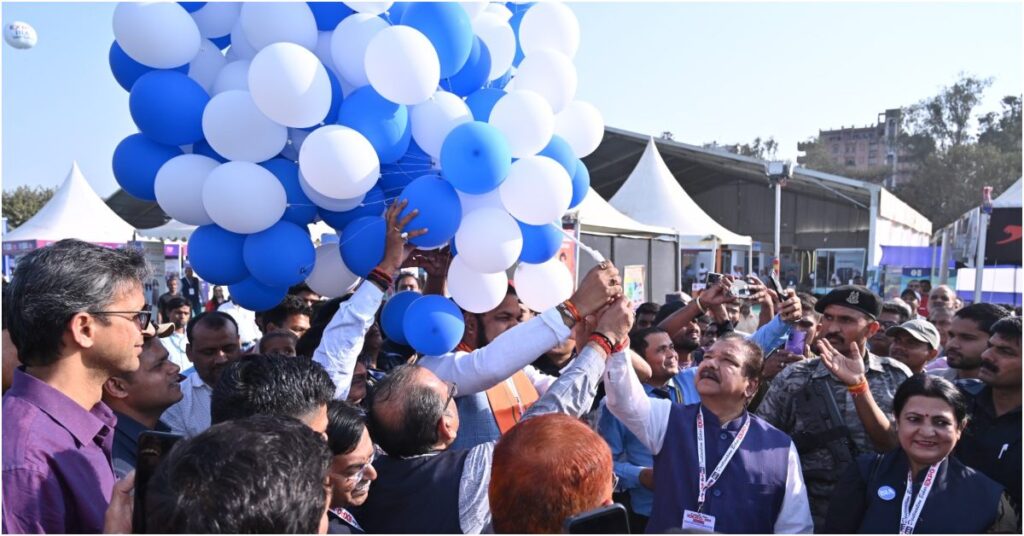
PATNA — Patna has taken centre stage at the Bihar Infrastructure & Investment Expo held at Gandhi Maidan, emerging as a focal point in the state’s strategy to attract capital, catalyse urban development and accelerate infrastructure delivery.
The three-day event, which drew business leaders, planners and policy-makers, underscored Patna’s growing importance as an economic and civic hub in eastern India, with implications for jobs, connectivity, and sustainable urban growth. At the heart of the expo was a concerted effort to showcase ongoing and proposed infrastructure projects that intersect with Patna’s broader development ambitions — from modern transport networks and industrial zones to affordable housing and social infrastructure. City officials and state representatives highlighted priority corridors and land parcels earmarked for mixed-use development, aiming to translate investor interest into executable partnerships that can unlock new economic opportunities. Urban planners observing the expo noted that Patna’s appeal to investors has deepened as the city improves its transport linkages, including upgrades to arterial roads, bypass systems and connections with national highway networks.
These enhancements have eased movement within the city and strengthened Patna’s access to regional markets, making it more attractive for manufacturing, logistics and technology sectors seeking well-connected urban bases. Such strategic positioning resonates with national imperatives to develop secondary cities as engines of inclusive growth. A central theme of the exhibition was integrated infrastructure — the idea that infrastructure investments must be planned holistically to deliver convergent outcomes across mobility, utilities, housing and economic clusters. Patna’s presentation in this context emphasised not only flagship projects like metro expansions and road widening but also smaller-scale interventions that enhance everyday urban life, such as neighbourhood drainage upgrades and public space improvements.
Investor delegations toured project pavilions, met with city planners, and explored opportunities in sectors including clean energy, water supply modernisation and climate-adaptive construction. With sustainability increasingly central to investment decisions, Patna’s efforts to align infrastructure with climate resilience — for example through low-carbon transit systems and flood management planning — was a recurring discussion point. Experts at the expo highlighted that cities capable of integrating resilience into project design earn stronger investor confidence and attract financing that supports long-term value creation.
For local businesses and real estate stakeholders, the expo illuminated how infrastructure development could influence market dynamics. Improved transport networks and utility systems often correlate with rising commercial activity and higher land values, particularly in precincts identified for mixed-use development. Patna’s economic clusters around key corridors such as Bailey Road, the Ring Road and riverfront areas are expected to see cascading effects as project visibility at the expo translates into concrete investment flows. Despite the enthusiasm, urban economists at the event cautioned that investment attraction is only the first step. Long-term success hinges on execution fidelity, governance transparency and community alignment. In a rapidly growing city like Patna, infrastructure projects must be coordinated with citizen needs — from affordable housing access to equitable transit options — to avoid disproportionate benefits for select groups while leaving others underserved.
As the Bihar Infrastructure & Investment Expo concluded, Patna emerged not merely as a showcase city but as an active participant shaping its urban trajectory. The challenge now lies in converting expressions of investor interest into implementable contracts, financing mechanisms and project timelines that align with fiscal realities and inclusive urban priorities.