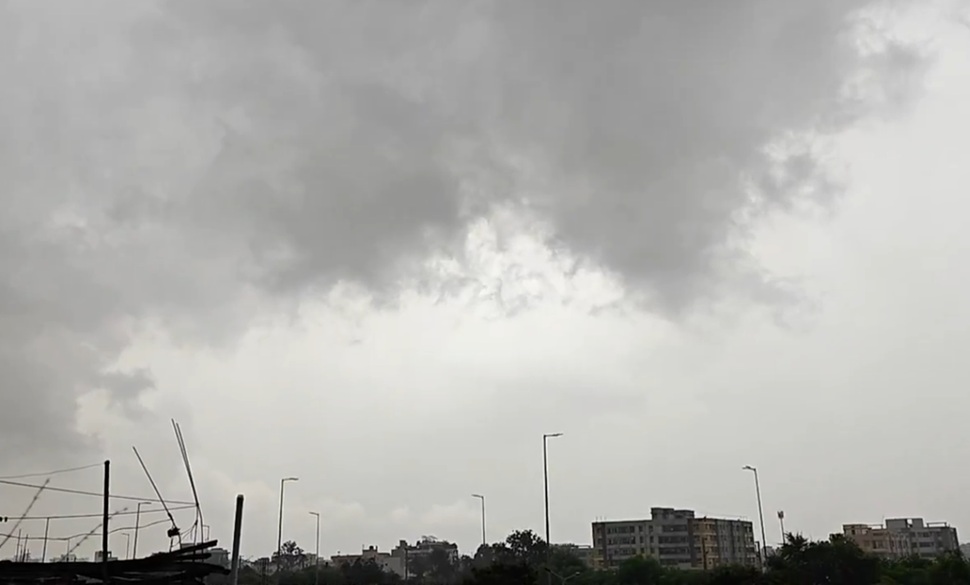
Patna Western Disturbance Triggers Strong Wind Conditions
Unseasonal gusty winds swept across Patna this week after a western disturbance altered weather conditions across north and east India, highlighting how even short-term weather systems are beginning to affect daily urban life in fast-growing cities. The shift has been accompanied by strong surface winds and unstable atmospheric conditions, prompting caution among residents and local authorities.
The latest weather change is part of a broader pattern identified by the India Meteorological Department (IMD), which recently warned of thunderstorms, lightning and gusty winds across multiple states due to a fresh western disturbance moving across the northern region. Official meteorological bulletins confirm that such disturbances can influence weather far beyond the Himalayan belt, especially when combined with local atmospheric systems over eastern India. For cities like Patna, the impact of sudden strong winds is not limited to temperature changes. Urban planners point out that dense construction, unregulated hoardings, overhead wiring and temporary roadside structures make cities particularly vulnerable to short bursts of extreme weather. In recent years, several Indian cities have reported damage to trees, signboards and light infrastructure during similar wind events, turning what would normally be a minor weather change into a significant urban-management challenge.
Meteorological data released by the IMD earlier this month already indicated unstable weather patterns over Bihar, including the presence of atmospheric troughs and moisture-bearing systems that could trigger thunderstorms and strong winds. Forecast reports noted that such systems are expected to remain active for several days, which means the current weather shift may not be a one-day event but part of a broader transition period before the peak summer season begins. Urban-development experts say this pattern has wider implications for infrastructure planning. Cities in eastern India are experiencing rapid population growth, but many public spaces and buildings are not designed to withstand sudden wind events or intense short-duration storms. Strong winds can disrupt transport, damage informal housing and expose weaknesses in urban infrastructure such as power lines, drainage systems and roadside installations.
There is also a climate-resilience dimension to the situation. While western disturbances are not new, meteorologists say their impact is increasingly becoming unpredictable due to changing climate patterns. Urban areas, with limited green cover and large paved surfaces, tend to experience stronger heat fluctuations and faster wind movement, which amplifies the effect of such weather systems on daily life. For residents, the immediate concern is safety—particularly around trees, construction sites and temporary structures. For city planners, however, the incident underscores the need to integrate climate-resilient design into everyday urban development rather than treating extreme weather as an occasional disruption.
As weather agencies continue to monitor the system, the focus will remain on preparedness and infrastructure resilience. Even short-term gusty winds now offer a reminder that cities must plan not only for long-term climate change but also for sudden weather events that can disrupt urban life within hours.