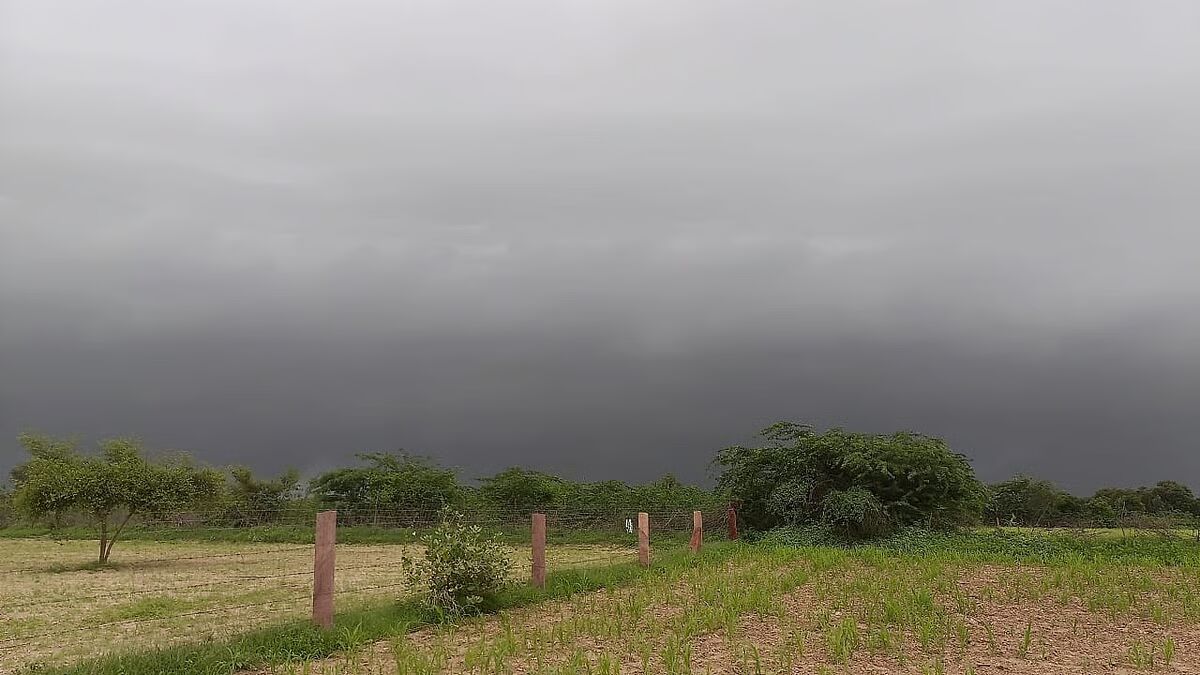
Patna Western Disturbance Impact Raises Climate Concerns
A fresh western disturbance sweeping across northern and central India has triggered strong winds, unseasonal rainfall and sudden temperature swings in several cities, including parts of Bihar. The weather system, confirmed by the India Meteorological Department (IMD), is once again drawing attention to how climate-linked weather volatility is beginning to affect urban infrastructure and daily life beyond the traditional winter season.
Recent weather updates show that multiple western disturbances are passing across the western Himalayan region and moving eastward into the plains, bringing gusty winds that have disrupted daily routines in several cities. In Patna and other parts of eastern India, residents have reported strong winds, cloudy conditions and a noticeable drop in temperatures — a pattern that is becoming more common in late March. According to the IMD, the latest system is expected to bring light to moderate rainfall, thunderstorms and wind speeds reaching 40–50 kmph across large parts of north India and adjoining regions. Official forecasts issued earlier this month also warned of repeated weather disturbances continuing through the third week of March, with the potential to affect both the western Himalayan states and the Indo-Gangetic plains.
A western disturbance is essentially a non-monsoonal storm system that originates in the Mediterranean region and travels eastward towards the Indian subcontinent. While these systems have traditionally brought winter rain that supports agriculture, experts say their increasing frequency outside the usual season is raising concerns for cities that are not prepared for sudden weather shocks such as strong winds and intense short-duration rainfall. Urban planners say such weather variability has real implications for cities like Patna and other fast-growing tier-2 urban centres. Gusty winds and sudden rainfall events can disrupt construction activity, damage temporary housing structures, and expose weaknesses in drainage networks. In rapidly expanding cities where infrastructure growth often struggles to keep pace with population increases, unexpected weather systems are becoming a growing risk factor.
The economic impact is also significant. Sudden weather changes in March affect both agriculture in surrounding regions and the urban economy that depends on it. Reports from several states indicate that unseasonal rainfall linked to western disturbances is already affecting standing rabi crops, raising concerns about supply disruptions and price volatility in the coming weeks. Climate experts believe the bigger concern is long-term unpredictability rather than one-time weather events. As cities continue to expand without climate-resilient infrastructure — including storm-water systems, wind-resistant public structures and stronger urban planning controls — the financial and social cost of such disturbances could increase significantly.
For residents, the immediate impact may be temporary relief from heat and brief weather disruption. But for city planners and infrastructure agencies, the latest western disturbance serves as another reminder that climate-linked weather variability is no longer limited to coastal storms or monsoon floods — it is now becoming a year-round urban challenge that requires stronger planning and preparedness.