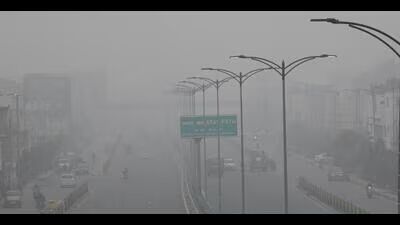
Patna Weather Shift Brings Heat Rise And Strong Winds
A sharp rise in temperatures coupled with strong wind activity is set to reshape weather conditions across Bihar, with Patna expected to witness a notable shift in the coming days. Forecasts indicate a temperature increase of up to 6°C alongside wind speeds reaching 40–50 kmph, signalling heightened climate variability at the onset of peak summer.
The evolving weather pattern reflects broader seasonal transitions typical of April, when heat intensifies rapidly across the Gangetic plains. In cities like Patna, daytime temperatures already hover between 36°C and 41°C during this period, with high humidity amplifying discomfort levels. Meteorological inputs suggest that the current fluctuations are driven by changing atmospheric systems, including western disturbances and regional wind circulations. These systems not only elevate temperatures but also generate gusty winds, occasionally accompanied by dust or brief rain activity. Recent advisories across northern India have indicated that such wind speeds—touching up to 50 kmph—are increasingly common during transitional weather phases. For urban centres, the Bihar weather update carries implications beyond daily discomfort. Rising temperatures directly impact energy demand, with increased reliance on cooling systems placing stress on power infrastructure. In rapidly expanding cities, this can expose gaps in electricity distribution networks and highlight the need for resilient urban systems capable of handling peak loads. Strong winds, meanwhile, present a different set of urban challenges.
High-speed gusts can disrupt overhead infrastructure, including power lines, hoardings, and temporary structures, particularly in dense and unplanned neighbourhoods. Urban planners point out that such weather events underline the importance of climate-responsive infrastructure—from underground cabling to better-designed public spaces. The Bihar weather update also has economic implications. Construction activity, transport operations, and informal sector livelihoods are often sensitive to sudden weather changes. High winds and rising heat can slow project timelines, increase operational risks, and affect worker productivity, particularly in outdoor environments. From a climate resilience perspective, the increasing frequency of such fluctuations highlights the need for adaptive urban planning. Experts suggest that cities must integrate heat mitigation strategies—such as green cover expansion, reflective building materials, and improved ventilation corridors—into long-term development frameworks.
Public health is another emerging concern. Exposure to extreme heat combined with dry, gusty winds can increase the risk of dehydration, respiratory issues, and heat-related illnesses. Authorities typically advise precautionary measures, including limiting outdoor activity during peak hours and ensuring adequate hydration. As Bihar transitions deeper into the summer season, the current weather shift serves as an early indicator of the intensity that may follow. For policymakers and city administrators, the focus will increasingly be on balancing immediate response measures with long-term climate adaptation strategies to ensure urban systems remain functional and inclusive under changing environmental conditions.