Patna Water Metro Project To Transform City Transport
Patna is moving closer to introducing a Patna water metro project, with policymakers positioning river-based transit as a strategic solution to rising congestion and mobility challenges in the Bihar capital. The proposed service along the Ganga is expected to diversify the city’s transport network while offering a low-emission alternative to road travel.
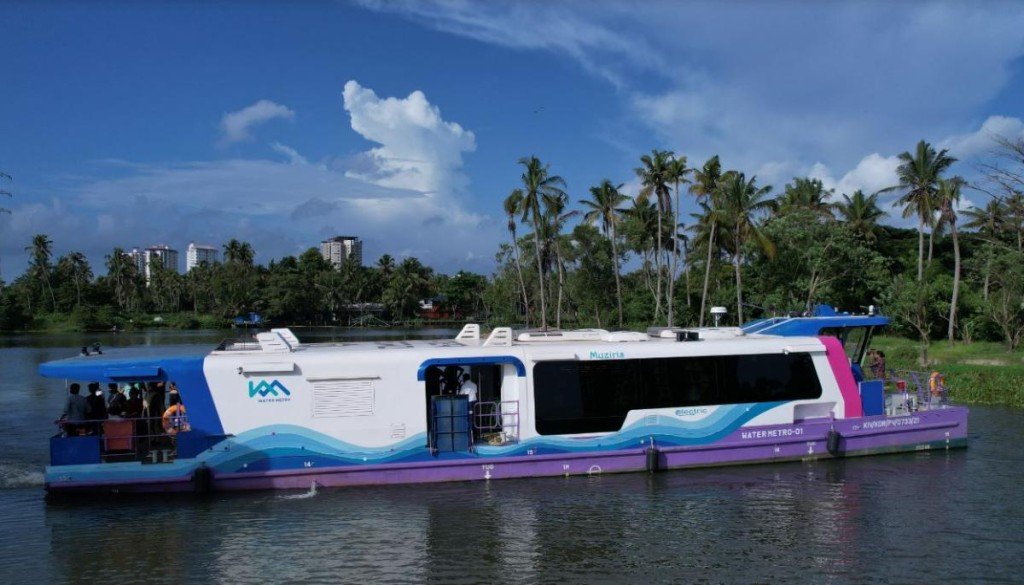
The Patna water metro project is being developed as an electric, ferry-based public transport system that will connect key riverfront locations through a network of terminals and jetties. Initial routes are planned along prominent ghats, with infrastructure such as charging stations and docking facilities already under development. Urban transport experts view the initiative as part of a broader shift towards multimodal mobility in tier-two cities. By leveraging inland waterways, the project aims to reduce pressure on congested road corridors while improving connectivity between residential, commercial, and recreational zones. The first operational stretch is expected to cover key riverfront nodes over a distance of roughly 10 kilometres, with provisions for future expansion across multiple routes and terminals.
Authorities indicate that the system will rely on electric or hybrid vessels equipped with modern safety and passenger amenities. These boats are designed to operate with minimal emissions, aligning with national efforts to promote cleaner transport solutions. Over time, the network is expected to integrate with existing and upcoming transport systems, including rail-based metro corridors, enabling smoother last-mile connectivity. From an urban planning perspective, the Patna water metro project represents a significant intervention in how the city utilises its riverfront. Traditionally underused for mass transit, the Ganga is now being reimagined as a mobility corridor that can support both daily commuting and tourism. Improved access to riverfront areas could also stimulate local economic activity, particularly in hospitality, retail, and cultural sectors.
The project carries an estimated investment of several hundred crores, reflecting growing institutional interest in inland water transport as a scalable urban solution. Analysts note that such investments can generate multiple benefits, including reduced travel time, lower fuel consumption, and improved air quality—key priorities for rapidly urbanising regions. However, implementation challenges remain. Infrastructure readiness, including the timely completion of terminals and charging systems, will be critical to operational success. Environmental safeguards will also need careful consideration, particularly in managing river ecosystems and ensuring sustainable construction practices along the banks.
For residents, the system promises an alternative commuting option that is both efficient and visually distinct, potentially reshaping daily travel patterns. For the city, it signals a transition towards more diversified and climate-responsive mobility planning. As the project advances towards operational readiness, its long-term impact will depend on integration with land-based transport, affordability for users, and consistent service delivery. If executed effectively, the initiative could position Patna as an early adopter of river-based urban transit in eastern India, offering a replicable model for other cities with navigable waterways.