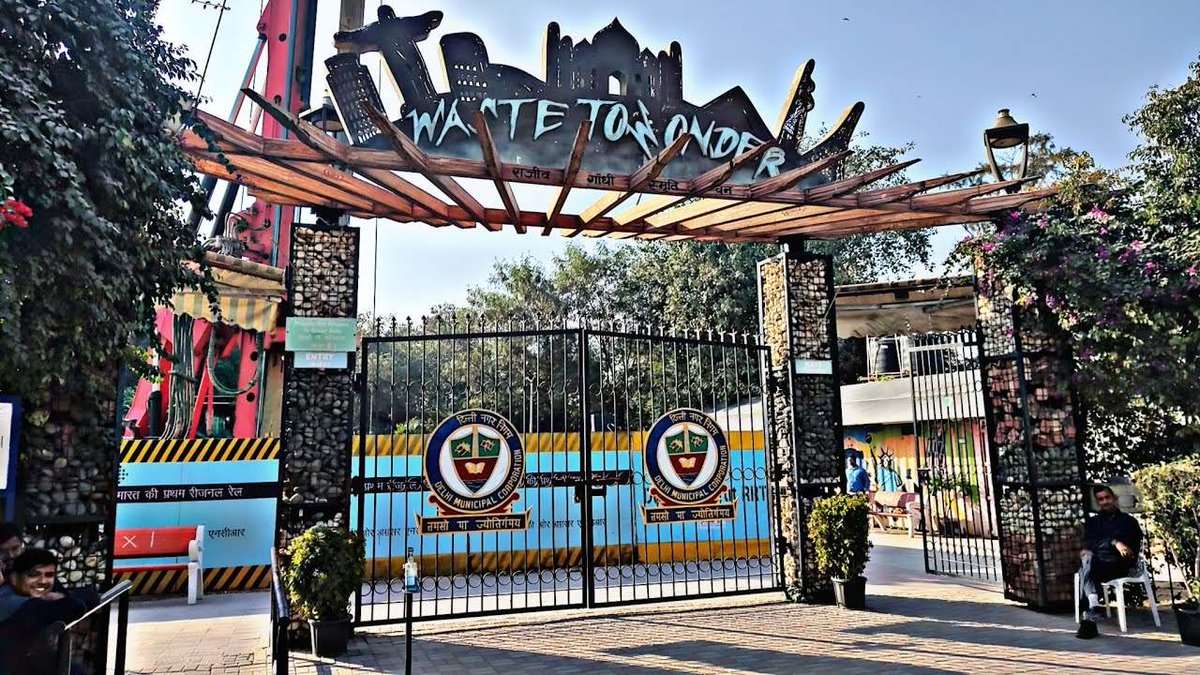
Patna Waste To Wonder Park Boosts Green Urban Revival
A large urban park built almost entirely from discarded materials is taking shape in Patna, signalling a shift in how Indian cities are beginning to combine waste management with public-space development. The proposed waste to wonder park is being developed on roughly 10 acres of land near a major civic landmark, and officials expect the project to open to the public within weeks.
The initiative is emerging at a time when cities are under pressure to convert unused land into climate-responsive public assets. Urban infrastructure officials say the park has been designed to demonstrate how municipal waste can be repurposed into functional and aesthetic urban infrastructure. Instead of conventional landscaping and imported materials, the development relies on tyres, pipes, scrap metal, glass and other discarded items sourced locally. Urban planners view this approach as more than symbolic: it helps reduce landfill pressure while lowering the carbon footprint of new civic spaces.
The waste to wonder park will feature large-scale installations inspired by historic and cultural sites in the region, along with sculptures created from recycled materials. A team of artists and fabricators from multiple states has been working on the structures, many of which are already close to completion. Officials associated with the project say the focus is not just visual appeal but also long-term public use, with open seating areas, children’s play zones, shaded walkways and basic civic amenities included in the design. The project also reflects a broader change in how mid-sized Indian cities are approaching urban renewal. Instead of expanding outward through new construction alone, several civic bodies are increasingly investing in low-cost public spaces that can improve quality of life without large-scale land acquisition. For residents, especially in high-density neighbourhoods with limited recreational areas, the development could offer a much-needed open space that is accessible and inclusive.
Urban development experts note that converting waste into public infrastructure can help cities address multiple challenges simultaneously. Public parks built using recycled materials reduce construction costs, promote environmental awareness, and create opportunities for local artisans and small contractors. More importantly, such projects support climate-resilient planning by reducing the demand for resource-intensive building materials. There is also a real-estate dimension to the initiative. Well-maintained public spaces often improve neighbourhood liveability, which in turn influences rental demand and small-scale commercial activity in surrounding areas. Local stakeholders say similar projects in other Indian cities have led to improved footfall, better community engagement and stronger civic ownership of public assets.
As the final construction work moves toward completion, the focus will shift to long-term maintenance and community participation. Whether the waste to wonder park becomes a successful model will depend not only on design but also on how effectively it is integrated into everyday urban life. If managed well, it could become an example of how smaller cities can build greener, people-first public spaces without heavy infrastructure spending.