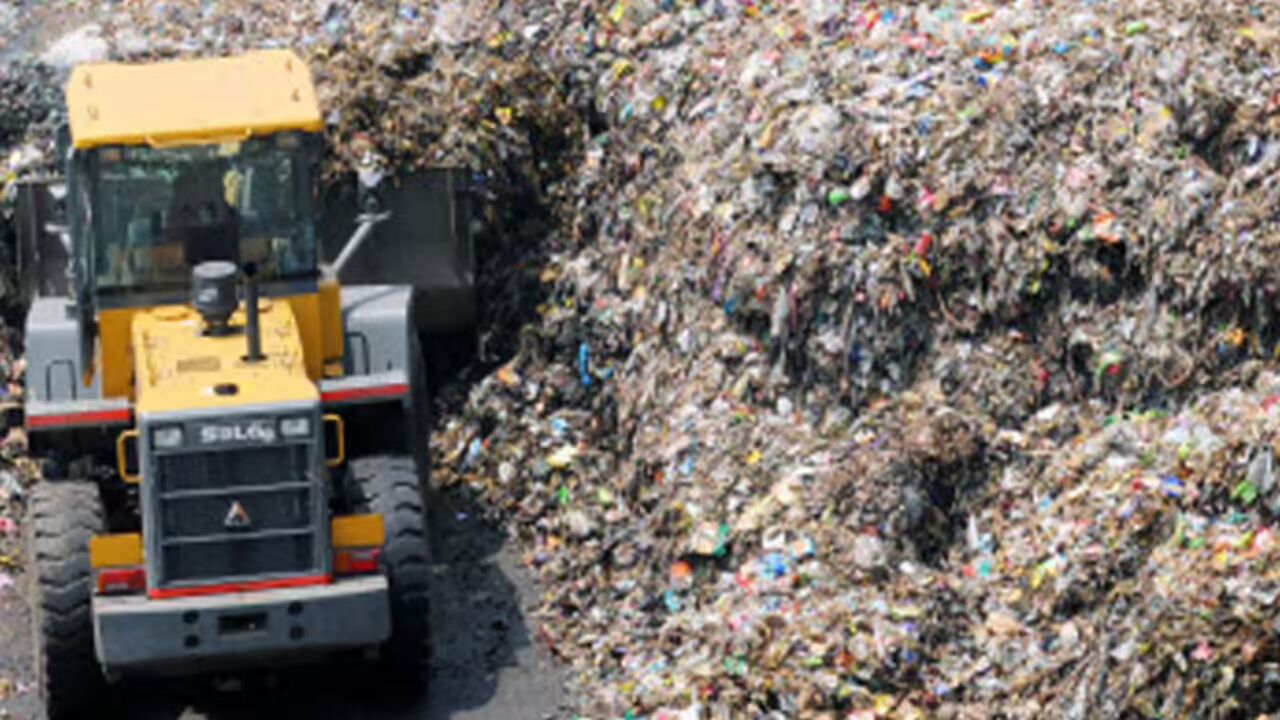
Patna Waste To Energy Project Anchors City Cleanup Plan
Patna is moving closer to establishing one of eastern India’s most ambitious urban waste projects, with a large waste-to-energy plant now forming a central component of the city’s long-term strategy to reduce landfill pressure and generate cleaner power. The proposal, cleared as part of a wider infrastructure push, is expected to transform how the state capital handles its rapidly growing waste burden while supporting more sustainable urban growth.
The proposed Patna waste to energy plant is planned at the Ramchak Bairiya waste processing site, which has increasingly become the focal point of the city’s integrated solid waste management programme. According to officials familiar with the project framework, the facility is expected to process large volumes of municipal waste each day and convert it into electricity, bio-gas and compost. Urban planners say this is a significant step for a city where daily waste generation has risen steadily over the past decade but processing infrastructure has struggled to keep pace. The project is not being developed in isolation. It is part of a broader cluster-based waste management strategy that will serve multiple urban local bodies surrounding Patna, including rapidly growing suburban municipalities. Experts say this approach reflects a shift in how mid-sized Indian cities are addressing waste management—moving away from small landfill-centric systems toward integrated facilities that combine recycling, energy recovery and scientific disposal.
For a city facing long-standing landfill challenges, the economic implications are significant. Municipal authorities have already begun large-scale biomining of legacy waste, a process aimed at reclaiming land and reducing environmental risk. The addition of a full-scale waste-to-energy facility could reduce dependence on open dumping while creating new infrastructure assets that support long-term urban growth. Industry analysts note that such projects are increasingly being seen not just as sanitation initiatives but as urban infrastructure investments with both environmental and economic value. The Patna waste to energy plant also reflects a broader national trend, where state capitals and tier-two cities are attempting to align infrastructure spending with climate resilience goals. By converting non-recyclable waste into energy and reducing landfill expansion, the project is expected to help lower greenhouse-gas emissions linked to waste decomposition, while improving air quality in densely populated areas. These factors are becoming particularly important in cities where population density, limited land availability and rapid construction are placing increasing pressure on civic systems.
However, urban experts caution that the success of the project will depend heavily on consistent waste segregation at the household level and timely execution. Without effective collection systems and reliable funding mechanisms, large waste-to-energy facilities often struggle to achieve full operational capacity. If completed on schedule, the project could become a turning point for Patna’s urban transformation—shifting the city from a landfill-driven waste model toward a more resource-efficient and climate-responsive urban system.