Patna Vending Zone Project Boosts Informal Sector Access
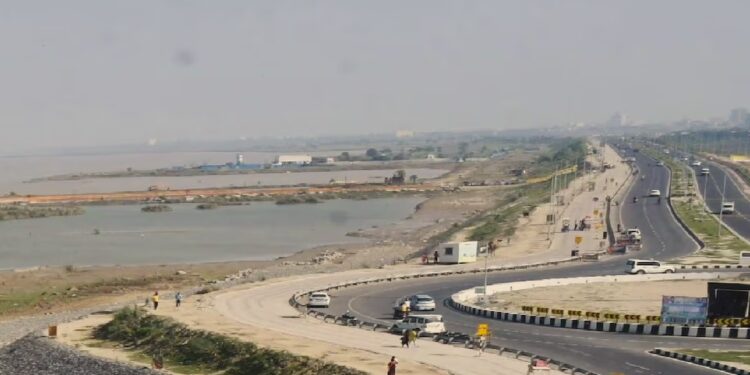
Patna has begun developing a large, planned vending zone near the Digha roundabout along the JP Ganga Path, signalling a shift towards more structured management of informal commerce in high-traffic urban corridors. The initiative, spread across nearly 55,000 square feet, aims to relocate and organise street vendors currently operating along the riverfront, where congestion and unregulated activity have become persistent challenges.
The project is being executed by the municipal authority as part of a broader effort to balance urban mobility with livelihoods. The JP Ganga Path—often referred to as Patna’s riverfront corridor—has emerged as a major recreational and transport spine, but increasing vendor activity along the stretch has contributed to traffic bottlenecks and safety concerns. By creating a dedicated vending zone, the administration is attempting to reclaim road space while ensuring that vendors are not displaced without alternatives. Initial work on the site has already commenced, including land levelling and basic infrastructure preparation. The proposed facility will include essential urban amenities such as parking areas, drinking water, sanitation facilities, and high-mast lighting—elements that are often absent in informal vending clusters. Urban planners view this development as part of a gradual transition towards formalising the informal economy within Indian cities.
Street vending remains a critical source of employment, particularly for low-income households, but its integration into urban planning frameworks has historically been inconsistent. Dedicated vending zones, when properly designed, can improve both vendor livelihoods and public space management by reducing friction between pedestrians, vehicles, and commercial activity. The Patna vending zone also reflects a growing trend of aligning urban design with multi-use functionality. By situating the facility beneath and around existing infrastructure at Digha, authorities are leveraging underutilised land while minimising disruption to the city’s spatial fabric. Plans to connect the zone with surrounding areas through pedestrian infrastructure, including a proposed foot overbridge, indicate an emphasis on accessibility and footfall generation. However, the transition is not without complexity. Previous relocation proposals along the riverfront have faced resistance from vendors concerned about reduced customer visibility and income uncertainty. Ensuring that the new vending zone attracts sufficient footfall will be critical to its success, particularly in a city where informal commerce is closely tied to high-visibility, high-mobility locations.
From an economic standpoint, the initiative could contribute to more predictable revenue streams for the municipality through licensing and regulated use of space. It also opens up possibilities for integrating small-scale entrepreneurship into broader urban development strategies, especially in emerging public spaces like riverfront corridors. As Patna continues to expand and invest in riverfront infrastructure, the success of the vending zone will depend on how effectively it balances urban order with economic inclusion. If implemented thoughtfully, it could offer a replicable model for managing informal economies in other fast-growing Indian cities.