Patna Ultrapod Project Signals Shift In Urban Mobility
Patna is preparing to introduce a new form of automated urban transport with plans for a ₹296-crore Ultrapod Personal Rapid Transit system, designed to connect major government and administrative buildings across the city’s central institutional district.
The proposed Ultrapod transit Patna network will run along a dedicated elevated track spanning roughly five kilometres, linking key offices including Visvesvaraya Bhawan, Vikas Bhawan, the state legislative complex and the old secretariat. The project aims to improve connectivity within one of the capital’s busiest administrative zones while reducing dependence on conventional vehicles for short-distance travel. Under the plan, 59 automated pods will operate along the corridor, each capable of carrying up to six passengers. These small driverless vehicles will run on demand and move directly between stations without intermediate stops, reducing waiting time and congestion during peak government office hours. Pods are expected to be dispatched at intervals of just a few seconds, ensuring continuous passenger movement.
The system will include nine stations, with supporting infrastructure such as a central control facility and a dedicated parking and maintenance area for the pods. Two stations are also expected to incorporate parking areas to enable seamless access for commuters entering the transit network from nearby roads. Urban mobility planners say the Ultrapod transit Patna project represents a shift toward Personal Rapid Transit (PRT) technology — a model that combines the flexibility of private vehicles with the efficiency of rail-based systems. Unlike buses or metro trains that run on fixed schedules and carry large groups of passengers, PRT systems use smaller automated vehicles that travel directly to selected destinations.
Authorities believe this approach could significantly ease congestion in Patna’s administrative zone, where government offices attract thousands of employees and visitors daily. By moving short-distance commuters to an elevated automated system, the city hopes to reduce vehicle movement on surrounding roads and improve traffic flow in the area. Officials involved in planning the project also emphasise its environmental benefits. The Ultrapod system is expected to operate on an energy-efficient automated platform that produces minimal emissions, supporting broader efforts to develop cleaner and more sustainable urban mobility solutions. The project is designed so that construction of the elevated track will not require tree cutting, a key consideration in environmentally sensitive urban corridors.
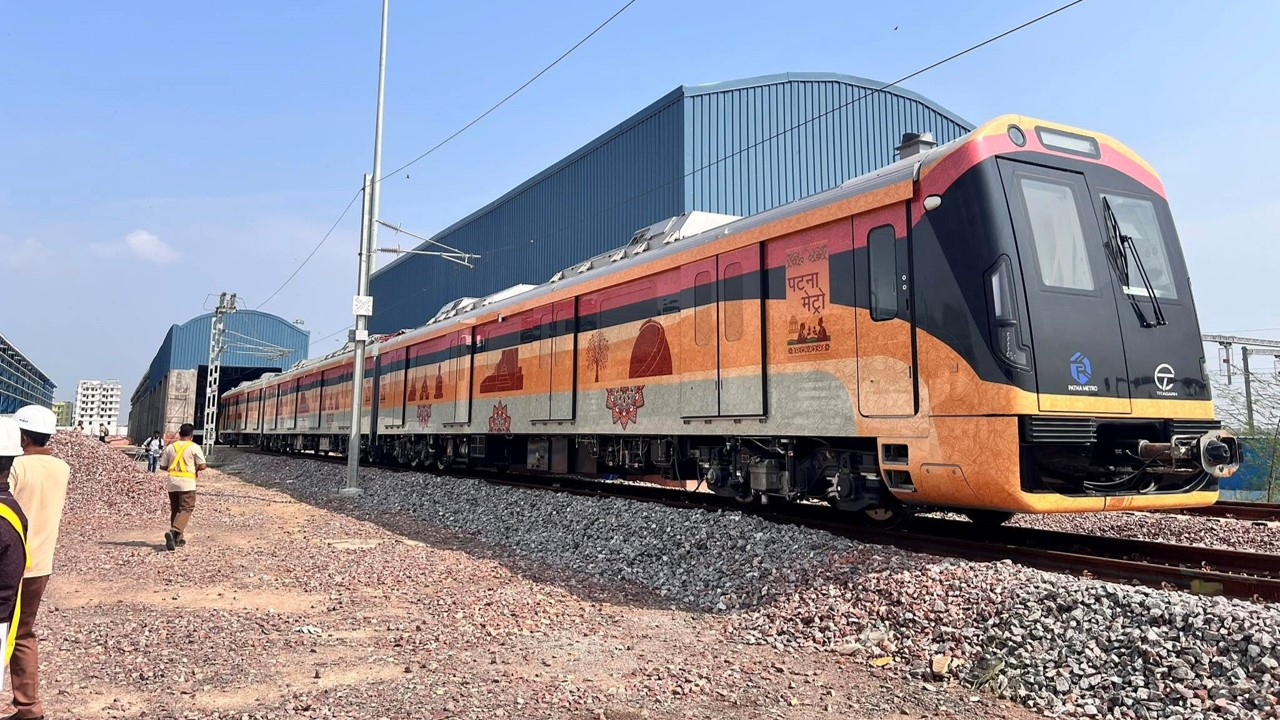
The initiative comes as Patna is already expanding its public transport ecosystem through projects such as the Patna Metro, which began partial operations in 2025 and is expected to expand across multiple corridors in the coming years. Transport experts say integrating emerging mobility technologies with traditional systems such as metro rail could help mid-sized Indian cities experiment with more flexible and sustainable transit models.
If implemented successfully, the Ultrapod corridor could serve as a pilot project for similar automated transit systems in other high-density administrative districts across the country. Authorities estimate that construction could be completed within 15 months after formal approval, potentially making Patna one of the first Indian cities to deploy pod-based rapid transit for government district mobility