Patna To Expand Sewage Treatment Capacity To 400 Mld
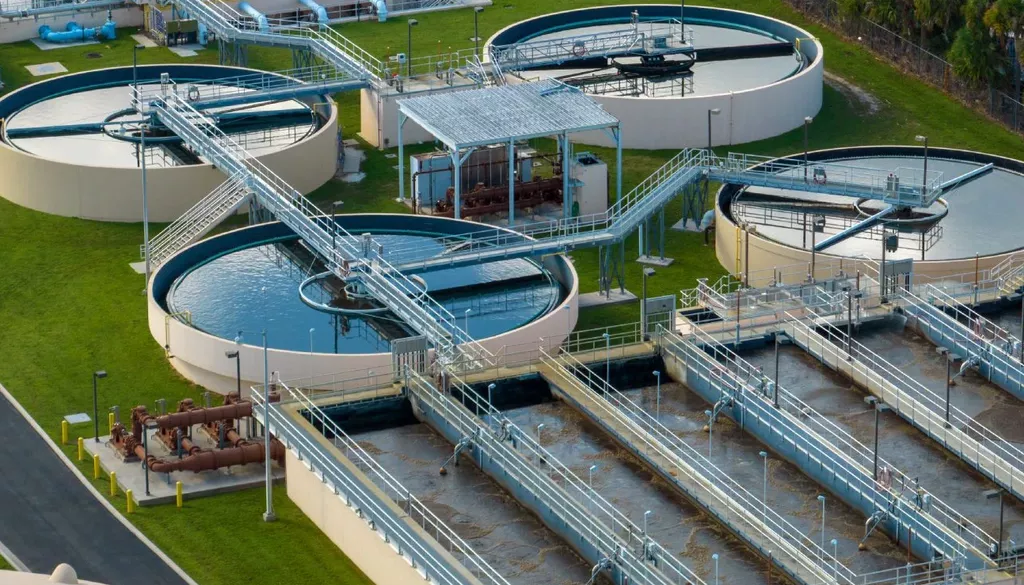
Patna is preparing to deploy Bihar’s largest sewage treatment facility with a planned capacity of 400 million litres per day (MLD), a major step in strengthening urban sanitation infrastructure and cutting untreated wastewater entering the Ganga.
The decision, taken after a central review of the river-cleaning programme, signals a strategic shift toward climate-resilient urban services in a rapidly growing Indian city. City planners and state infrastructure officials have initiated detailed site surveys along the Danapur–Patna City corridor for the new plant, which will intercept sewage from major drains currently discharging into the river without treatment. Connecting these networks to an expanded treatment hub is expected to reduce pollutant loads at key confluence points and advance long-term river health goals.
Urban water specialists note that untreated sewage remains a persistent challenge in Indian riverfront cities, contributing to elevated nutrient and bacterial levels in waterways and undermining public health and ecosystem services. Patna’s current treatment footprint — comprising several smaller plants with uneven operational effectiveness — falls short of the city’s growing volume of wastewater, which the state estimates at over 1,000 MLD along Ganga towns. The proposed expansion aligns with national efforts to boost municipal sewage treatment capacity under the Namami Gange initiative — a flagship programme targeting systemic reductions in river pollution and infrastructure upgrades across Ganga basin states. Under this strategy, authorities aim to create thousands of additional MLD in treatment capacity and extensive sewerage networks to serve expanding urban populations.
From an urban development perspective, this scale of sewage infrastructure upgrade has multiple knock-on effects. Beyond direct environmental benefit, comprehensive treatment works can unlock greater investment confidence in city centre redevelopment and riverside land use by mitigating odour and contamination risks. Such infrastructure also underpins equitable access to sanitation — especially for lower-income residential areas historically underserved by sewer networks.
State engineers are evaluating whether to build the new facility as a single 400 MLD unit or split it into two 200 MLD modules to improve redundancy and operational flexibility. Officials emphasise minimising disruption by leveraging existing drains and rights-of-way rather than extensive excavation, a choice that speaks to greater sensitivity to community impact and cost control. For citizens and businesses, a significant increase in sewage treatment capacity could mean cleaner riverfronts, improved air quality near canals and drains, and stronger resilience against seasonal flooding and waterlogging — a growing concern amid shifting climate patterns. Urban planners say this project will be a key test of how integrated infrastructure investments can simultaneously address environmental policy goals and enhance quality of civic life.
As final approvals and detailed designs are completed, monitoring environmental performance and ensuring equitable service delivery will be crucial to translate planned capacity into measurable outcomes for Patna’s residents and the wider Ganga basin.