Patna SDG Data Push Highlights Governance Transformation
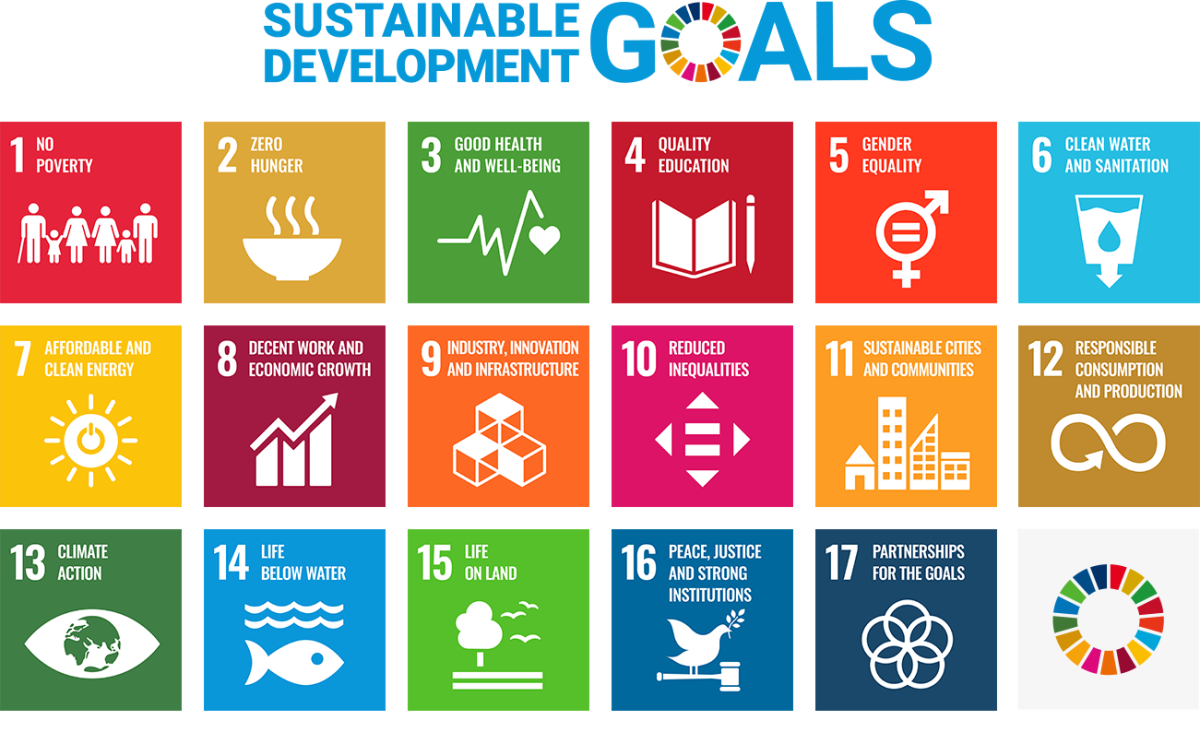
A growing emphasis on data-driven governance in Bihar is drawing attention to how cities such as Patna could approach sustainable development more strategically, after a senior minister said reliable data will be central to achieving the Sustainable Development Goals (SDGs).
Speaking at a recent policy-focused event in the state capital, the minister highlighted that accurate and timely data is now being seen as the foundation for planning, monitoring, and implementing development programmes. The statement comes at a time when states across India are increasingly being evaluated through SDG indicators that measure progress in areas such as housing, clean energy, sanitation, and climate resilience. Urban planners say the shift towards a stronger data framework reflects a broader change in how development policy is being designed. Instead of relying primarily on physical infrastructure targets, governments are increasingly focusing on measurable outcomes such as access to clean water, air-quality improvement, urban mobility, and social inclusion. Experts argue that such an approach is especially important for rapidly growing tier-two cities, where population growth is often faster than institutional capacity.
The push for a data-based SDG strategy also aligns with national initiatives aimed at closing information gaps. Government agencies have already introduced a national indicator framework that allows states to track progress at district and local-body levels, with ministries working together to improve data collection and analysis. This framework is intended to help governments identify which regions need more investment and which programmes are not delivering expected results. For Bihar, the emphasis on data is particularly significant because the state is trying to balance rapid economic expansion with improvements in social and environmental indicators. According to recent economic estimates, Bihar has recorded steady growth in recent years, but urban infrastructure and service delivery still lag behind several other states. Policymakers now appear to be focusing on data-driven planning as a way to close this gap more efficiently.
Urban governance experts say better data systems could directly influence how cities such as Patna grow over the next decade. Real-time data on waste generation, traffic flows, water supply, and energy consumption can help authorities design infrastructure that is both cost-effective and environmentally sustainable. At the same time, reliable social-sector data can help ensure that growth remains inclusive, particularly for migrant workers and low-income households living in informal settlements. The emphasis on SDG-linked data is also likely to shape investment decisions. Cities that can demonstrate measurable improvements in sustainability indicators are increasingly seen as more attractive for infrastructure funding and private investment. For fast-growing urban centres in eastern India, this could play an important role in future economic development.
While the policy focus is still evolving, the message is clear: sustainable urban growth is no longer being defined only by new roads or real-estate projects, but by how effectively cities can track and improve the quality of life for residents. The real test will be whether the state can translate this data-driven approach into visible improvements in urban services over the next few years.