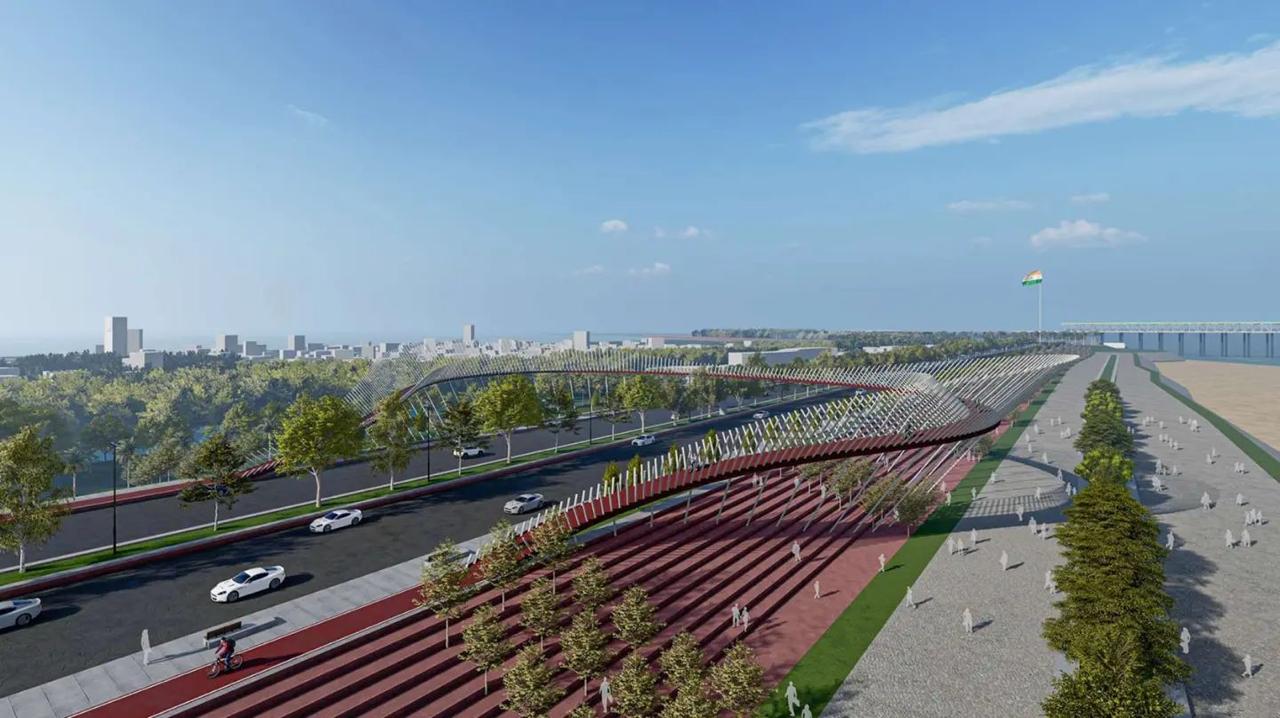
Patna’s riverfront is undergoing a visible transformation as three key ghats along the Ganga are redeveloped under the Namami Gange initiative, signalling a shift in how Indian cities are reimagining waterfronts as public assets rather than neglected edges. The intervention is expected to improve access, sanitation, and resilience along the river while strengthening the city’s relationship with its primary natural resource.
Officials overseeing the project indicate that the upgraded Ganga ghats project focuses on structured riverbank development, improved pedestrian pathways, and better waste management systems. These changes aim to address long-standing concerns around unregulated access, seasonal flooding, and pollution—issues that have historically limited the usability of riverfront spaces for residents. Urban planners note that such interventions are increasingly being viewed as critical civic infrastructure rather than cosmetic upgrades. In dense cities like Patna, where open public spaces are limited, riverfronts offer an opportunity to create inclusive, accessible environments for recreation, cultural activities, and daily use. By formalising access points and improving basic amenities, the project is likely to expand the usability of these spaces across different demographic groups, including women, elderly citizens, and children.
The Ganga ghats project also carries environmental implications. Riverbank stabilisation and improved drainage systems are expected to reduce erosion and manage runoff more effectively during monsoon periods. Experts suggest that integrating ecological considerations—such as controlled construction zones and improved sewage handling—will be crucial to ensure that development does not come at the cost of river health. From an economic perspective, better-designed ghats can influence local livelihoods. Informal vendors, small-scale service providers, and tourism-linked activities often cluster around such spaces. With improved infrastructure, these micro-economies could see more predictable footfall and safer operating conditions. However, urban development specialists caution that inclusive planning must ensure that existing informal workers are not displaced in the process.
The redevelopment also reflects a broader national push to integrate river rejuvenation with urban planning. By aligning sanitation, infrastructure, and public space design, cities are attempting to move beyond fragmented approaches to waterfront development. In Patna’s case, the ghats are not only religious or cultural sites but also everyday urban spaces that can support social interaction and community life. Looking ahead, the long-term success of the Ganga ghats project will depend on sustained maintenance, community engagement, and enforcement of environmental safeguards. As more Indian cities turn to their rivers for urban renewal, Patna’s experience could offer lessons on balancing ecological sensitivity with the growing demand for accessible and resilient public infrastructure.