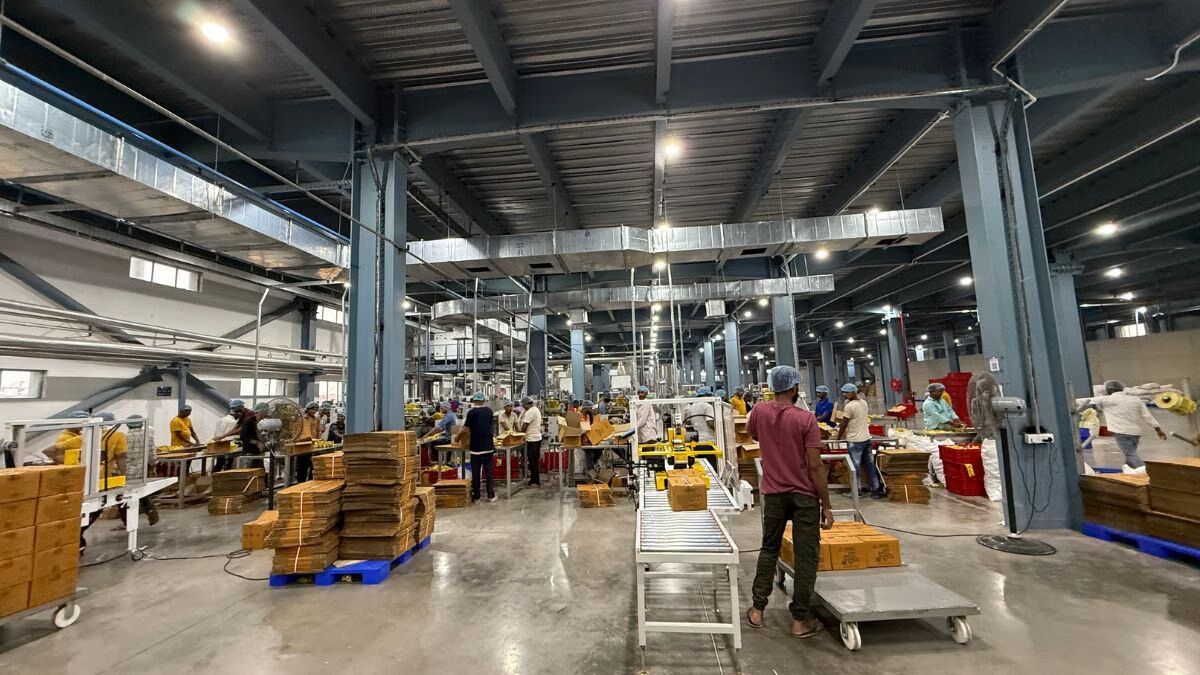
Patna Region Attracts ₹6000 Crore Steel Investment
Patna, Bihar — A major industrial investment is taking shape in Bihar as authorities confirmed that a private steel manufacturer plans to set up a ₹6000 crore steel production facility, a development that could strengthen the region’s role in India’s manufacturing landscape while broadening economic opportunities beyond agriculture and services.
The project, which remains at the early land-acquisition and regulatory stage, underscores how strategic infrastructure and policy shifts are encouraging capital flows into the state’s industrial corridors. According to state industry officials in Patna, the proposed steel plant would be constructed on a greenfield site in an industrial zone identified for heavy-manufacturing activity. If realised as planned, the facility would house modern steel-making technology and associated units capable of producing a range of finished and semi-finished steel products. Such capacity has the potential to integrate local raw material streams — including coal, iron ore and limestone — with regional logistics systems, positioning Bihar as a significant node in domestic steel value chains.
Industrial economists say that Bihar’s strategic location — intersecting markets in eastern India and proximate to northern consumption centres — makes it a logical choice for the steel sector, especially as enhanced transport linkages such as expressways and rail corridor upgrades reduce transit bottlenecks. Recent infrastructure improvements along major highways and the expanding rail network are reducing travel times for both freight and passenger traffic, which can lower logistics costs for large industrial enterprises. Job creation is expected to be a headline benefit of the investment, with direct employment in steel production complimented by indirect jobs in logistics, supplier services, energy, fabrication and maintenance. Experts note that multi-sector employment effects can multiply economic impact in surrounding districts, potentially boosting household incomes and local consumption, particularly in semi-urban and rural zones previously underserved by large-scale industrial projects.
Yet realising these gains will hinge on effective skills development frameworks and workforce readiness. Steel manufacturing — especially at the scale envisaged — requires skilled technicians, engineers and operators trained in specialised equipment and safety protocols. Developing local talent through vocational training initiatives and partnerships with technical institutes will be key to embedding the plant’s operations within Bihar’s broader human capital ecosystem. Environmental considerations will also be central to project implementation. The steel sector is inherently energy-intensive, and conventional production processes are associated with greenhouse gas emissions and resource-use concerns. State and industry planners emphasise the need for best-practice environmental safeguards, including emissions control technology, waste heat recovery systems and integration of renewable energy where feasible. Aligning the plant’s operations with cleaner production standards will be critical if Bihar is to reconcile industrialisation with climate-aligned growth goals.
For local communities, proximity to a facility of this scale could bring both opportunities and challenges. Improved infrastructure and business services can raise living standards, but industrial expansion must be carefully managed to avoid adverse effects such as neighbourhood displacement or environmental degradation. Transparent land-acquisition processes, fair compensation practices, and community engagement will be essential to building social legitimacy for the project. The prospective steel plant also fits within Bihar’s broader economic strategy to diversify its investment profile and attract large-scale manufacturing. Alongside recent announcements on renewable energy, digital infrastructure and rail connectivity, the steel project highlights a multi-pronged approach to economic development that blends infrastructure readiness with sectoral investment attraction.
As the proposal proceeds through regulatory clearances and detailed project reports are prepared, the focus now shifts to implementation planning. Measures that facilitate seamless integration with transport networks, that strengthen the local workforce, and that embed environmental sustainability into industrial design could determine whether this investment becomes a catalyst for inclusive and resilient growth across the Patna region.