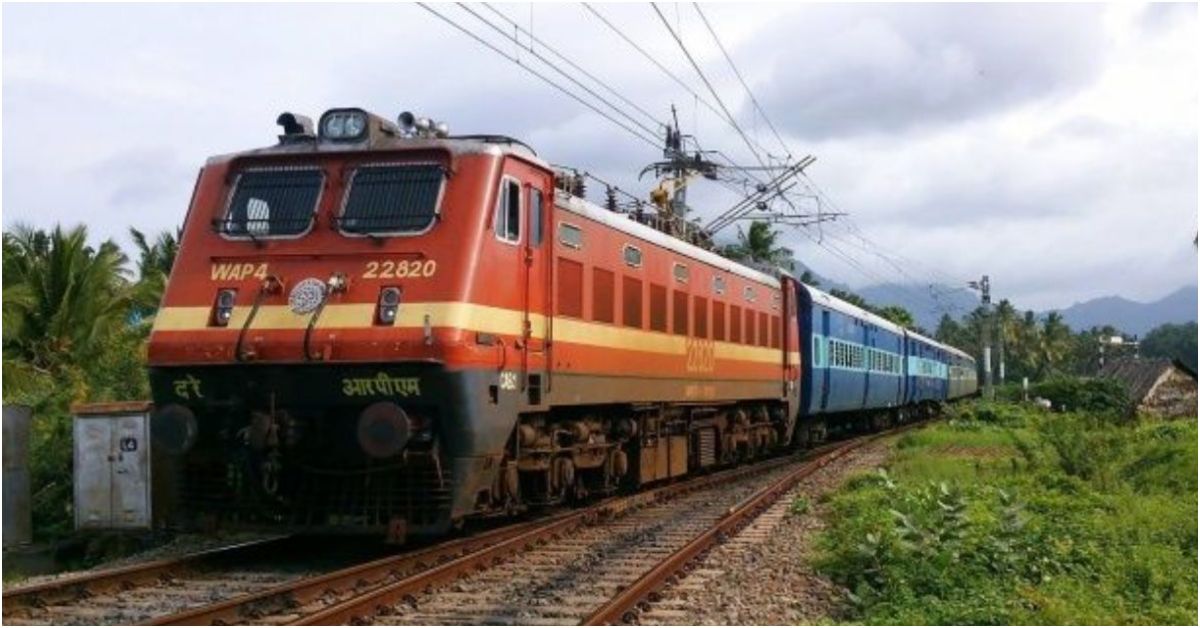
A newly introduced train service between Patna and Rajgir is expected to strengthen regional mobility in Bihar, offering improved connectivity for daily commuters, tourists and local economies along one of the state’s key intra-regional corridors. The service, recently operationalised by Indian Railways, aims to streamline travel between the state capital and Rajgir—a major cultural, religious and tourism hub.
The route, spanning roughly 90 kilometres, is already served by multiple trains, but the addition of a new service is designed to ease congestion and provide more flexible travel options. Officials indicate that the new train has been scheduled to align with commuter demand, particularly benefiting passengers travelling for work, education and tourism. Rajgir’s significance as part of the Buddhist circuit and its growing role in regional tourism make enhanced connectivity a strategic priority for both economic and infrastructure planning. The introduction of this service reflects a broader trend in Bihar’s transport strategy—strengthening intra-state connectivity rather than focusing solely on long-distance routes. With increasing urbanisation around Patna and satellite towns such as Bihar Sharif and Rajgir, shorter rail corridors are emerging as critical lifelines for daily mobility. From an urban development perspective, the expanded Patna Rajgir connectivity is likely to influence settlement patterns and economic activity along the corridor. Improved rail access can reduce dependence on road transport, lower travel times and support the growth of peri-urban clusters. This is particularly relevant in regions where road congestion and inconsistent public transport have historically constrained mobility.
Urban planners note that rail-based connectivity offers a more sustainable alternative for short-distance travel compared to private vehicles. As Bihar’s cities expand, integrating rail networks with local transport systems—such as buses and shared mobility—will be key to managing congestion and emissions. The economic implications extend beyond passenger movement. Enhanced rail connectivity can stimulate local businesses, tourism services and informal economies that depend on steady footfall. Rajgir, in particular, stands to benefit from increased visitor inflows, especially during peak tourist seasons and religious events. However, experts caution that infrastructure expansion must be accompanied by service reliability and integration. Scheduling efficiency, last-mile connectivity and station-level amenities will determine whether the new service translates into sustained usage. Without these supporting elements, the potential benefits of improved rail access may not be fully realised.
The initiative also aligns with national efforts to modernise rail infrastructure and expand regional networks. In recent years, Indian Railways has focused on increasing train frequency, upgrading stations and improving passenger experience as part of a broader mobility transition. For Bihar, the success of enhanced Patna Rajgir connectivity will depend on how effectively it integrates with ongoing infrastructure projects, including road upgrades and tourism development plans. As demand for efficient, affordable and sustainable transport grows, such corridor-level interventions could play a defining role in shaping the state’s urban and regional development trajectory.